Supply-chain compliance has become one of those business problems that looks simple from the outside and painfully complicated from the inside. A company may only want to launch a product, onboard a supplier, ship into a new market, or answer a customer request. But behind that one action can be a long trail of certificates, declarations, regulations, emails, spreadsheets, supplier follow-ups, and product data that must be collected and checked before anyone can move with confidence.
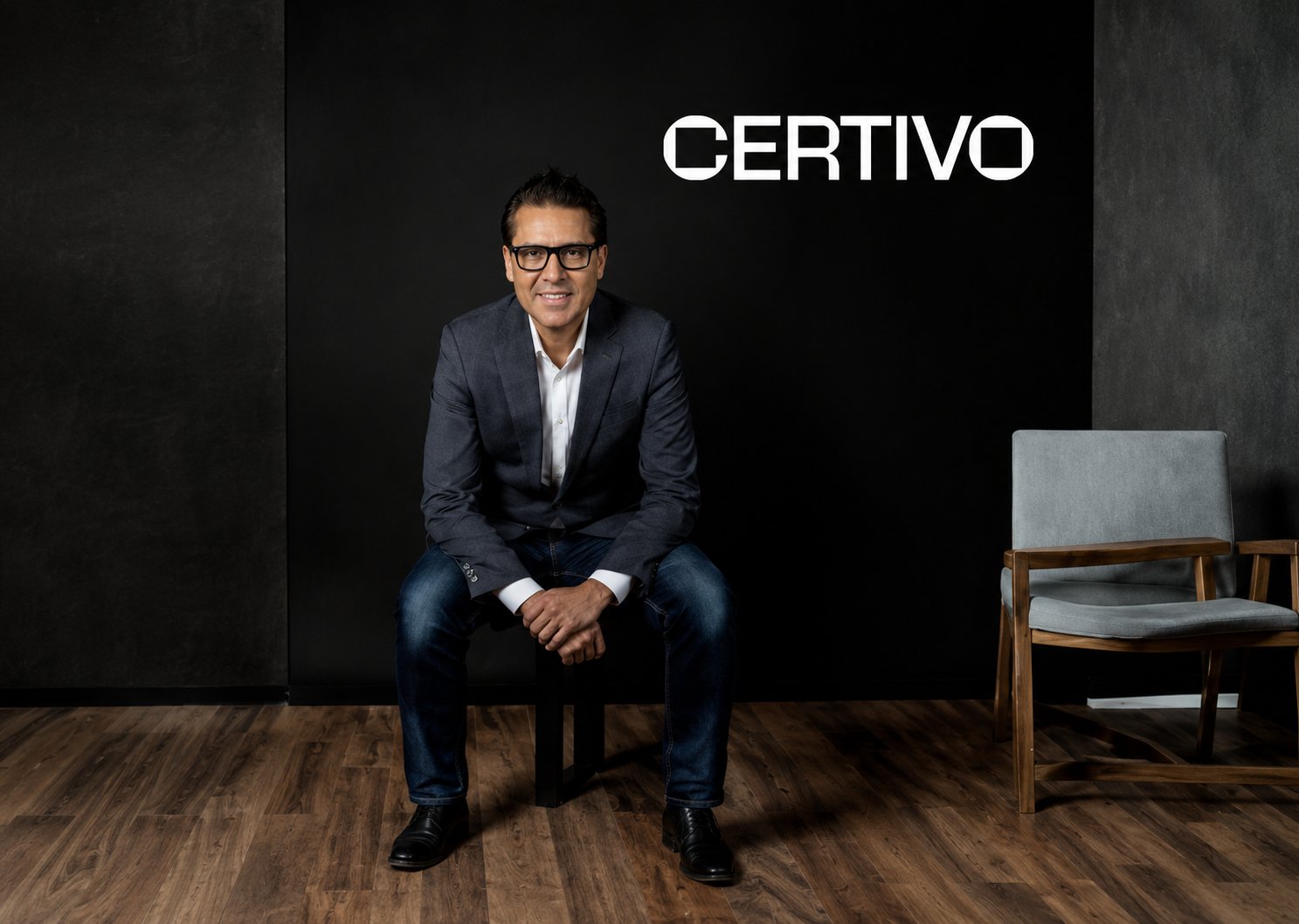
That is the problem Kunal Chopra is working on through Certivo, an AI-powered compliance platform built for modern supply chains. As CEO and Co-Founder, Chopra is not treating compliance as a slow back-office task. He is positioning it as something that can become continuous, automated, and useful for business teams that need speed without losing trust.
The idea behind Certivo is clear: companies should not have to chase paperwork every time they need to prove that a product, material, or supplier meets the right requirements. Instead, they should have a smarter system that can collect documentation, track regulatory changes, organize product compliance data, and help teams know where they stand before problems turn into delays.
Who is Kunal Chopra
Kunal Chopra is a technology leader with experience across software, e-commerce, collectibles, gaming, and enterprise-scale platforms. Before building Certivo, he held leadership roles at companies including Kaspien, Beckett Collectibles, Microsoft, Amazon, Groupon, and Unikrn. That mix of experience matters because supply-chain compliance is not only a regulatory problem. It is also a product problem, a workflow problem, and a trust problem.
Chopra’s career has often placed him close to businesses where operations, technology, customer expectations, and growth all meet. That background gives him a practical view of what companies need from software. A compliance platform cannot simply store documents and call itself useful. It has to fit into the real pace of manufacturers, procurement teams, product teams, legal teams, and suppliers.
With Certivo, Chopra is applying that operator mindset to a space that has often been slowed down by manual processes. His goal is not just to make compliance easier to manage. It is to make compliance work more predictable, more visible, and more automatic for companies that cannot afford to wait until the last minute to find missing documentation.
What Certivo is trying to solve
Many manufacturers and supply-chain teams still manage compliance through scattered systems. A supplier may send a certificate by email. A compliance manager may save it in a folder. Product data may sit in a spreadsheet. Regulatory updates may be tracked through newsletters, consultants, or internal notes. When a customer asks for proof, teams often have to search across all of these places to find the right answer.
That kind of workflow might survive when a company has a small supplier base or a limited product catalog. It becomes much harder when the company sells across regions, handles regulated materials, works with many suppliers, or needs to respond quickly to customer and regulatory requests.
The pressure is also growing. Regulations around product safety, environmental compliance, sustainability, chemicals, responsible sourcing, and market access are becoming more complex. Teams need to understand requirements tied to frameworks such as PFAS, REACH, RoHS, TSCA, Prop 65, conflict minerals, and other material compliance rules. Missing one document or relying on outdated supplier information can slow a launch, create audit risk, or block a product from entering a market.
This is where Certivo sees the opportunity. The company is building software that helps turn product compliance from a reactive scramble into a more organized, always-on process.
How Certivo makes supply-chain compliance more automatic
Certivo describes itself as an AI-powered compliance management platform for product compliance, supplier engagement, and documentation management across the supply chain. In practical terms, that means the platform is designed to help teams reduce the manual work involved in gathering, checking, and maintaining compliance information.
A manufacturer may need supplier declarations, material data, certificates, environmental documentation, or product-specific records. Without automation, each request can become a chain of emails and reminders. The more suppliers and products involved, the harder it becomes to know what is complete, what is missing, and what needs review.
Certivo aims to bring those pieces into a structured system. Instead of treating compliance documents as static files, the platform can help organize them as part of a living compliance workflow. That gives teams a clearer view of supplier status, product readiness, and regulatory exposure.
For companies that sell into demanding markets, this matters. Compliance is not only about avoiding penalties. It is also about keeping product launches on schedule, answering customer requests faster, and proving that the business has control over its supply chain.
Automating supplier document collection
Supplier documentation is one of the hardest parts of compliance because it depends on many outside parties. A manufacturer may need a supplier to confirm material details, complete a declaration, provide a certificate, or update an old file. Some suppliers respond quickly. Others delay, send incomplete information, or use formats that are hard to process.
Certivo is built around the idea that this back-and-forth can be made much smoother. By automating parts of supplier engagement and document collection, teams can spend less time chasing information and more time reviewing what matters.
This kind of automation can help compliance teams see which suppliers have responded, which documents are valid, and which requirements still need attention. It also creates a cleaner record for future audits, customer reviews, or internal reporting.
The value is not just speed. It is consistency. When compliance work depends on inboxes and personal spreadsheets, knowledge can get trapped with individual employees. A platform like Certivo can help companies build a more reliable process that does not fall apart when workloads rise or teams change.
Turning compliance data into usable insight
One reason compliance is difficult is that the data is not always easy to use. Information may be buried in PDFs, certificates, supplier letters, declarations, and regulatory documents. Even when the right files exist, teams still need to read them, interpret them, and connect them to products, materials, suppliers, and market requirements.
This is where AI can make a meaningful difference. Certivo uses AI to help process document-heavy workflows and turn scattered compliance information into something teams can act on. The goal is not to replace compliance judgment. It is to reduce the repetitive work that slows teams down before they even reach the decision-making stage.
For example, AI can help classify documents, extract useful details, organize supplier responses, and flag gaps that need attention. When paired with strong data structures and human oversight, this can give compliance teams a better starting point.
That matters because compliance professionals are often asked to do more with limited time. They need to support product teams, answer customer requests, manage supplier communication, track regulations, and prepare for audits. If AI can remove some of the manual sorting and searching, the team can focus on higher-value work.
Keeping up with regulatory changes
Regulatory change is one of the biggest reasons supply-chain compliance is becoming harder. A product that meets requirements today may need new documentation tomorrow. A supplier declaration may become outdated. A market may add reporting rules. A customer may ask for proof tied to a newer standard.
Certivo has leaned into this challenge with regulatory intelligence. In May 2026, the company opened access to a free regulations updates tool designed to help businesses track changing requirements. That move fits the company’s broader message: compliance cannot be treated as a one-time project anymore.
For supply-chain leaders, the shift is important. It is not enough to build a point-in-time view of what regulations apply. Companies need a way to keep that view updated as rules change across regions, industries, materials, and supplier networks.
A continuously updated compliance system can help teams avoid surprises. Instead of learning about a requirement after a customer request or shipment issue, companies can monitor changes earlier and prepare before they turn into operational problems.
Why Kunal Chopra sees compliance as a business advantage
Many companies still think of compliance as a burden. It is something they must do to satisfy regulators, customers, or internal risk teams. Kunal Chopra is taking a different view with Certivo. He sees compliance as a place where better systems can create a real business advantage.
When a company can prove compliance faster, it can move faster. It can respond to customers with confidence. It can support product launches with less last-minute chaos. It can reduce the risk of delays caused by missing supplier documents. It can also build stronger trust with buyers who care about transparency, responsible sourcing, and regulatory readiness.
This is especially important for manufacturers and companies in regulated industries. The more complex the product and supplier network, the more valuable it becomes to have a clear compliance system. Manual processes may be familiar, but they are rarely built for speed, scale, or constant regulatory change.
Certivo is trying to make compliance part of how companies operate every day, not just something they rush through when a deadline appears. That is where automation can change the role of compliance inside the business.
The role of AI in Certivo’s platform
AI is often discussed in broad terms, but Certivo is applying it to a very specific business problem. Supply-chain compliance involves a lot of documents, repeated requests, changing rules, and structured decisions. These are areas where AI can help if it is used carefully.
The platform is not simply about giving users a chatbot for compliance questions. The larger goal is to create a system that can help teams manage supplier documents, regulatory monitoring, certificate generation, workflow tracking, and product compliance data in one place.
That kind of AI has to be accurate, explainable, and connected to the right source of truth. In compliance, a vague answer is not enough. Teams need to know what requirement applies, what document supports it, what supplier provided it, and whether the information is current.
This is why human oversight still matters. AI can reduce the heavy lifting, but compliance teams still need judgment, accountability, and review. The strongest systems will be the ones that combine automation with the expertise of the people who understand the business, the product, and the regulation.
Why Certivo’s funding matters
In February 2026, Certivo announced a $4 million seed round led by Suffolk Technologies, with participation from Pioneer Square Ventures and other investors. The funding gives the company more room to build its AI capabilities, grow its engineering work, and expand its go-to-market efforts.
The investment also points to a larger trend. Specialized AI platforms are moving into serious business workflows, not just general productivity tasks. Compliance is a strong example because it is expensive, repetitive, document-heavy, and deeply important to business continuity.
For manufacturers and built-world companies, the stakes can be high. A missing certificate can delay a project. An outdated declaration can create risk. A regulatory change can force teams to revisit product data quickly. Investors are paying attention because the old way of managing this work is no longer enough for many companies.
Certivo is entering the market at a moment when companies are under pressure to become both faster and more accountable. That combination creates room for software that can bring order to compliance without adding more manual work.
How Kunal Chopra’s leadership background supports Certivo’s mission
Building compliance software is not only about understanding regulations. It is also about understanding how companies actually work. A platform has to serve teams with different priorities. Product teams want speed. Legal teams want risk control. Procurement teams need supplier cooperation. Executives want visibility. Customers want proof.
Kunal Chopra’s background helps because he has led companies through complex markets where technology, operations, and customer trust all matter. His experience as a repeat CEO also brings a useful perspective to category-building. Certivo is not trying to be a small document storage tool. It is trying to define a more modern way of managing supply-chain compliance.
That requires clear positioning. It also requires product discipline. Compliance teams will not adopt new software just because it uses AI. They need the platform to save time, reduce risk, improve accuracy, and fit into the systems they already use.
Chopra’s challenge is to turn a painful operational problem into a product that teams trust enough to use every day. If Certivo can do that, it can become more than a tool for storing compliance files. It can become part of the operating layer for product and supplier compliance.
What makes Certivo different in the compliance software space
The compliance software market is not empty, but Certivo is trying to stand out through its focus on AI-native automation and continuous compliance. Instead of only helping teams manage records after the fact, the company wants to help them stay ahead of supplier gaps, document needs, and regulatory changes.
Its positioning brings together several important pieces: supplier engagement, documentation management, regulatory intelligence, product compliance visibility, and AI-assisted workflows. That combination is important because compliance problems rarely live in one place. A missing document may be tied to a supplier. A product risk may be tied to a material. A market requirement may be tied to a regulation that changed recently.
By connecting those pieces, Certivo can help teams move from reactive compliance management to a more proactive model. That is the difference between searching for answers when a problem appears and maintaining a system that helps prevent the problem from becoming urgent in the first place.
The bigger opportunity for Certivo
The opportunity for Certivo sits at the intersection of supply-chain complexity, regulatory pressure, and AI adoption. Global companies are managing more suppliers, more products, more customer requirements, and more reporting expectations. At the same time, many teams are still working with tools that were not built for this level of complexity.
Manufacturers need faster ways to know whether a product is ready for a market. Procurement teams need better supplier visibility. Compliance leaders need cleaner records and stronger audit readiness. Executives need confidence that regulatory risk is being managed before it damages revenue, reputation, or operations.
If Certivo can help companies answer those questions faster, it can play an important role in the future of manufacturing and supply-chain management. The platform’s value will depend on how well it earns trust, handles complex data, supports real regulatory workflows, and keeps pace with changing requirements.
For Kunal Chopra, the mission is bigger than making paperwork less painful. It is about helping companies build a more reliable compliance foundation. In a world where regulations shift, suppliers change, and customers expect faster proof, that foundation can become a real source of strength.
What Kunal Chopra’s Certivo journey shows about the future of compliance
Kunal Chopra is building Certivo around a simple but powerful idea: compliance should not depend on last-minute searches, outdated spreadsheets, or endless supplier follow-ups. It should operate continuously in the background, helping teams know what is missing, what has changed, and what needs action.
That is why Certivo’s work matters. The company is taking a complex, often overlooked part of business operations and making it more visible, more structured, and more automatic. For manufacturers and supply-chain teams, that could mean fewer delays, better supplier accountability, stronger regulatory readiness, and more confidence when bringing products to market.
Chopra’s success with Certivo will depend on trust, accuracy, adoption, and execution. But the direction is clear. Supply-chain compliance is no longer just a paperwork problem. It is becoming a data, automation, and intelligence problem. Certivo is one of the companies trying to build the system that helps businesses handle that shift.