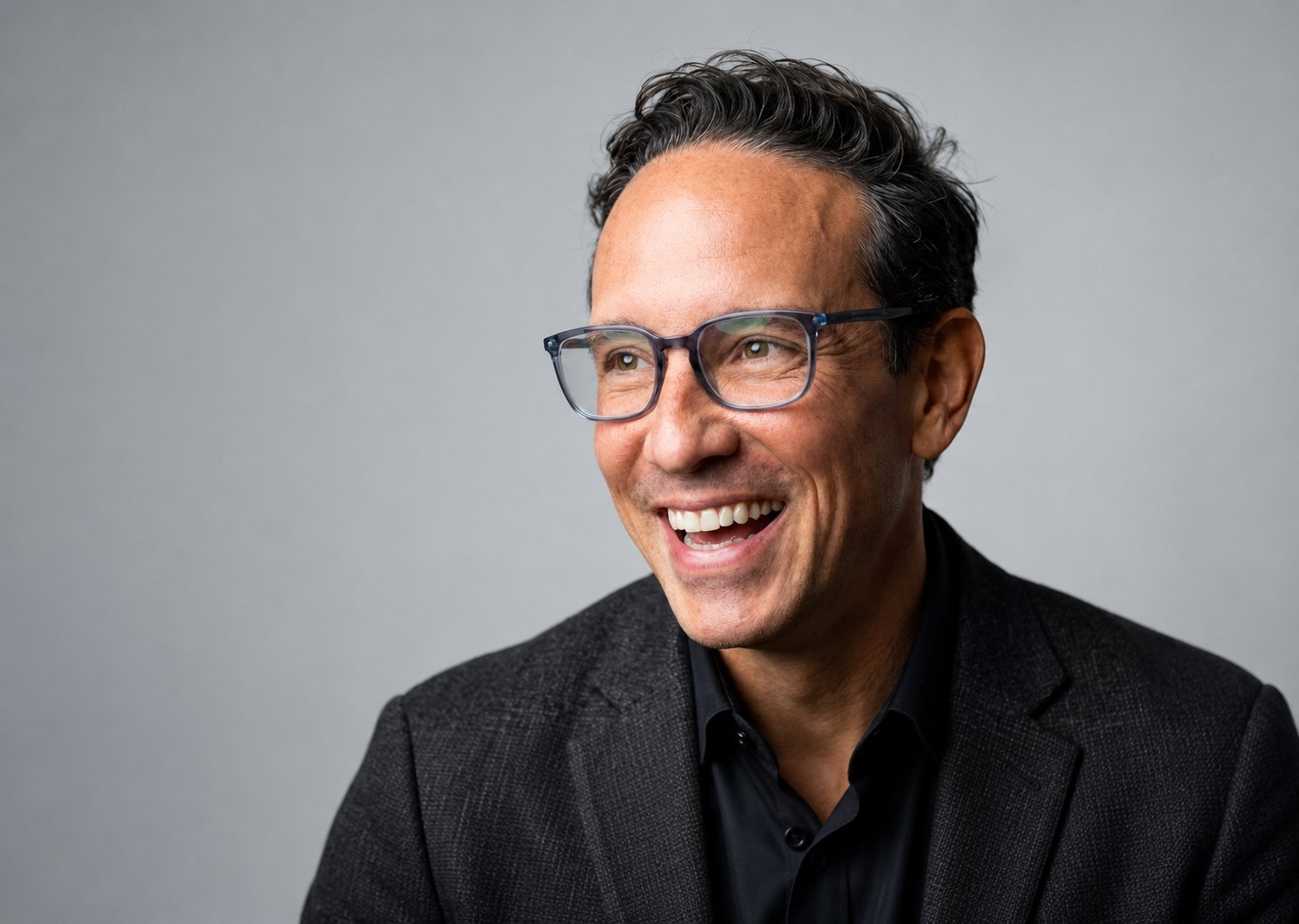
Who is Blair Austin Childs
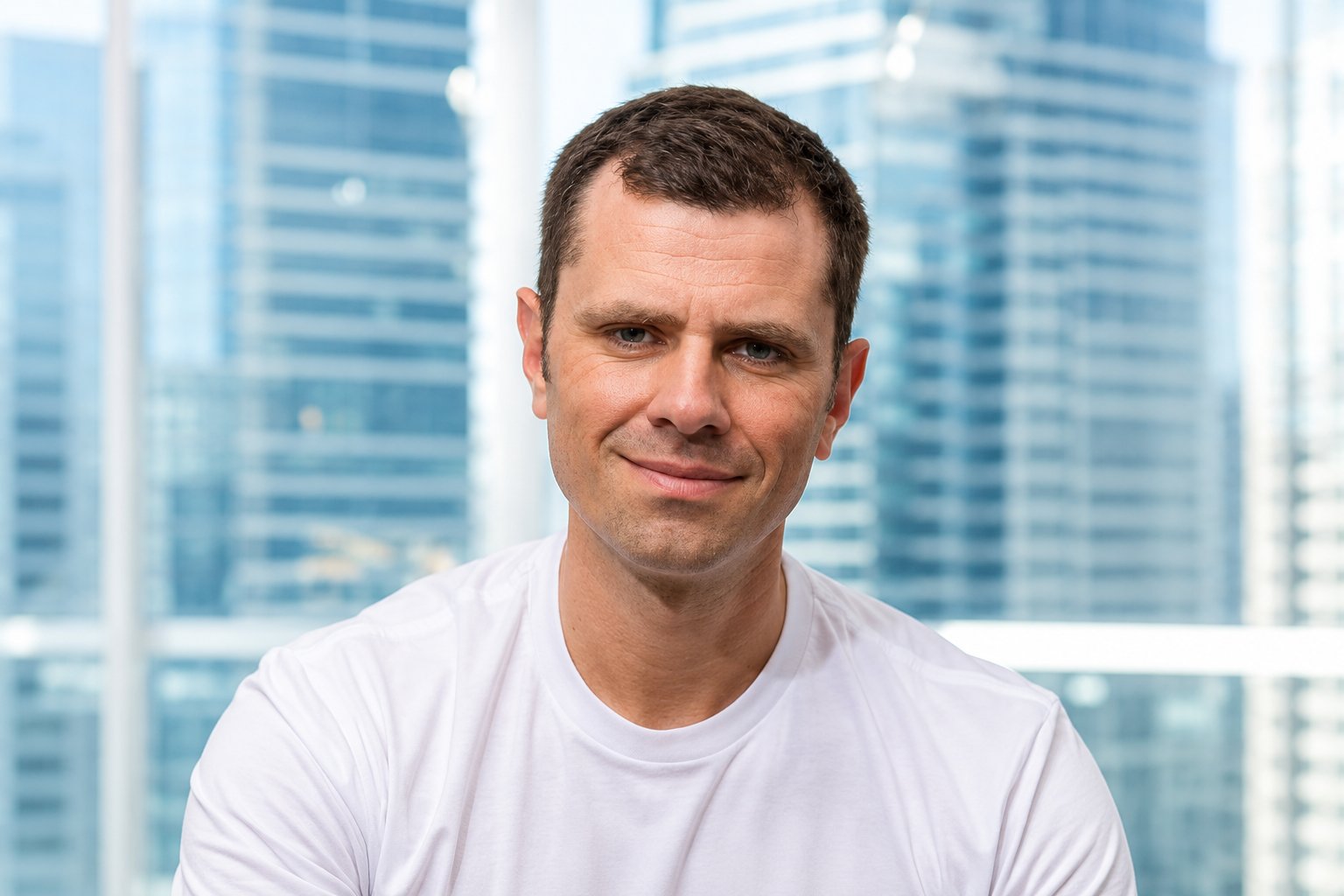
Blair Austin Childs is the CEO and Co-Founder of Neural Earth, a Miami-based company using AI-powered geospatial intelligence to help businesses understand climate and property risk with more clarity. His story stands out because he is not approaching climate risk only as a technology problem. He is looking at it through the lens of finance, insurance, asset value, and real-world decision-making.
That background matters. Before building Neural Earth, Blair Austin Childs worked across areas such as M&A, corporate finance, financial planning, debt capacity modeling, capital allocation, budget management, and technology-driven operations. Those are not just résumé details. They help explain why his company is focused on a practical problem that many large businesses now face: how to make better decisions when climate risk is changing faster than older models can explain.
For insurers, real estate investors, banks, and infrastructure owners, climate risk is no longer something that sits in a long report. It affects underwriting, lending, asset valuation, portfolio planning, and long-term business confidence. Blair Austin Childs appears to understand that gap well. With Neural Earth, he is building a platform that helps organizations turn fragmented location data into decision intelligence they can actually use.
Why Blair Austin Childs started looking at climate risk differently
The opportunity behind Neural Earth became clearer as property and casualty insurance markets started facing more pressure, especially in places exposed to flooding, storms, wildfire, wind damage, and rising insurance costs. A property might look financially sound on paper, but the land around it may tell a very different story.
A warehouse near the coast can have strong revenue but serious storm exposure. A real estate portfolio can look diversified but still carry hidden flood risk across several locations. A neighborhood can seem stable until insurers begin pulling back or raising premiums because the risk picture has changed.
This is where Blair Austin Childs saw a deeper problem. Traditional models often treat climate volatility as a broad forecast, but business teams need something more direct. They need property-level risk signals, faster analysis, and a clearer way to connect environmental exposure with financial decisions.
That is the heart of Neural Earth. The company is built around the idea that climate risk should not stay trapped in disconnected reports, static maps, or siloed datasets. It should work more like an operating signal, giving insurers and investors a better view of what is happening across assets, markets, and portfolios.
The problem Neural Earth is solving for insurers and investors
Climate risk has become a business issue because it now touches the numbers that matter. It can influence insurance premiums, asset values, lending terms, development plans, and capital allocation. For companies responsible for large property portfolios, the challenge is not only knowing that risk exists. The challenge is knowing where it exists, how quickly it is changing, and how it could affect the next decision.
Older risk tools can struggle because they were not always built for fast-moving environmental change. Many systems depend on historical data, broad regional assumptions, or reports that become outdated quickly. That can leave decision-makers with blind spots.
Neural Earth is trying to close that gap by using AI, geospatial analytics, satellite imagery, environmental sensors, business data, and proprietary analytics in one connected platform. Instead of forcing teams to piece together scattered information, the company aims to create a unified decision layer for climate and property risk.
For insurance carriers, this can support underwriting and portfolio monitoring. For reinsurers, it can help validate exposure across regions and property types. For institutional real estate firms, it can support diligence, asset management, and long-term investment planning. For private equity and capital markets teams, it can help connect physical risk with financial modeling.
How Neural Earth turns geospatial data into decision intelligence
The strength of Neural Earth is in how it brings location-based data into business workflows. Geospatial intelligence can sound complex, but the basic idea is simple: every property exists in a physical environment, and that environment creates risk.
A building is not just an address. It has elevation, nearby water systems, surrounding vegetation, roof conditions, local infrastructure, wind exposure, flood history, and market context. When these pieces are analyzed together, they can show a much sharper view of risk than a single spreadsheet or static report.
Neural Earth uses AI-powered geospatial intelligence to help companies analyze these layers at scale. Its platform is positioned to combine satellite imagery, environmental data, customer portfolios, business information, and property-level signals. The goal is to help teams ask better questions and get useful answers faster.
For example, an insurer may want to understand which properties in a portfolio carry higher flood or wildfire exposure. A real estate firm may want to know whether a group of assets is vulnerable to rising insurance costs. A lender may want to assess whether climate exposure could affect the future value of a financed property.
In each case, the value is not just the data itself. The value is the speed and clarity of the insight. That is why Blair Austin Childs is building Neural Earth as a decision intelligence platform, not just a data dashboard.
Why real-time climate risk matters for property and finance
Real-time climate risk matters because risk does not wait for annual reviews. A storm season can shift the outlook for a region. Wildfire conditions can change quickly. Insurance appetite can move from one market to another. A property that seemed safe during acquisition may look different once new environmental, insurance, or infrastructure signals appear.
This is a major issue for industries that depend on timing. Insurance teams need to price risk with confidence. Real estate investors need to protect returns. Asset managers need to spot exposure before it becomes expensive. Banks and lenders need to understand how physical risk could affect collateral.
That is why Neural Earth is focused on turning climate data into actionable intelligence. The company’s work sits at the intersection of climate intelligence, risk management software, geospatial AI, and financial decision-making. It is not about predicting every event perfectly. It is about giving organizations a better operating view so they can make smarter decisions before risk becomes damage.
This approach also reflects a larger shift in the market. Climate risk used to be treated as a long-term concern. Now it is part of daily business planning. For many companies, the question is no longer whether climate exposure matters. The question is how quickly they can understand it and act on it.
How Neural Earth supports insurance underwriting and portfolio strategy
Insurance is one of the clearest use cases for Neural Earth because insurers deal with risk every day. They need to understand which properties are likely to face loss, how exposure is distributed across a portfolio, and whether pricing reflects the real conditions on the ground.
For property and casualty insurance, a better risk signal can support more accurate underwriting. Instead of relying only on broad regional assumptions, carriers can look more closely at the property level. That matters in markets where one neighborhood, street, or building can carry a very different risk profile from another.
Neural Earth can also help with portfolio-level exposure analysis. A carrier or reinsurer may not only care about one property. It may need to know how thousands of policies are exposed across flood zones, wildfire-prone areas, coastal markets, or regions with growing wind risk. AI-powered geospatial analysis can make that work faster and easier to integrate into existing workflows.
This is where the company’s API-centric and enterprise-focused approach becomes important. Large organizations do not want another isolated tool that sits outside their systems. They need risk intelligence that can fit into underwriting, diligence, modeling, and portfolio surveillance.
By building around that need, Blair Austin Childs is positioning Neural Earth as infrastructure for risk-heavy industries.
Why Neural Earth matters for real estate and investors
Real estate investors are also under pressure to understand climate exposure more clearly. A property’s value is no longer shaped only by location, tenant demand, interest rates, and operating income. Climate-related risk can affect insurance costs, maintenance needs, financing options, resale value, and long-term asset performance.
For institutional real estate firms, this creates a big challenge. They may own or evaluate assets across many regions. Some properties may face flood risk. Others may face wildfire exposure, wind damage, or infrastructure strain. Without a connected view, it becomes difficult to know where the most serious risk sits.
Neural Earth helps address this by turning geospatial data into property and portfolio intelligence. During due diligence, investors can use this type of analysis to better understand what they are buying. During asset management, they can monitor exposure over time. During portfolio planning, they can decide where to reduce risk, where to invest in resilience, and where to rethink future acquisition plans.
This is one reason the company’s work feels timely. Climate risk is becoming part of the investment conversation, not a separate sustainability topic. It is tied to financial risk, operational risk, and market risk.
Why Neural Earth is gaining investor attention
Neural Earth has gained momentum because the market problem is large and urgent. In 2024, the company raised a $1.4 million pre-seed round to support development of its AI-powered data analytics platform. In 2026, it announced a seed round of about $9.3 million to scale its AI-powered geospatial risk intelligence platform.
That funding matters because it shows that investors see real demand for better climate risk tools across insurance, reinsurance, real estate, private equity, and technology markets. It also gives Neural Earth more room to grow its team, deepen its models, build partnerships, support customer expansion, and move further into enterprise workflows.
For Blair Austin Childs, this milestone is more than a fundraising headline. It is a signal that his company is operating in a market where timing, technology, and customer pain are coming together. Industries with large physical assets need better answers. Legacy risk systems are under pressure. AI and geospatial infrastructure are becoming mature enough to support more useful analysis at scale.
That combination gives Neural Earth a strong opening.
The role of AI in Blair Austin Childs’ vision for Neural Earth
The role of AI in Neural Earth is not just to make the platform sound modern. It is there to solve a real problem: climate and property data is messy, scattered, and difficult to translate into business action.
AI can help connect satellite imagery, sensor data, environmental signals, proprietary datasets, property information, and customer portfolios. It can support feature extraction, hazard scoring, spatial analytics, and natural language analysis. In simple terms, it can help teams move from raw information to clearer decisions.
That matters because many business users do not want to become geospatial analysts. An underwriting team does not want to spend weeks digging through datasets. A real estate investment team does not want to manually compare dozens of maps and reports before every decision. They need answers that are fast, relevant, and tied to the questions they already ask.
This is where Neural Earth can stand apart. The company is not only collecting climate and location data. It is trying to make that data usable in the flow of business decisions. That is why terms like decision intelligence, property-level risk signals, portfolio exposure, and real-time risk assessment are important to the story.
What makes Blair Austin Childs’ approach different
What makes Blair Austin Childs interesting as a founder is the way he connects finance with AI and geospatial intelligence. He is not only building from the technical side. He is building from a clear understanding of how risk affects money, strategy, and operations.
That gives Neural Earth a practical edge. The company is not presenting climate risk as an abstract science problem. It is treating it as a business problem that needs better tools. For insurers, that means more precise underwriting. For investors, it means smarter diligence. For asset managers, it means better portfolio surveillance. For banks and capital markets, it means a clearer view of physical risk.
This approach also makes the company more relevant across industries. Neural Earth can speak to insurance carriers, reinsurers, institutional real estate firms, private equity groups, and infrastructure decision-makers because they all share a similar pain point. They need to understand how the physical world affects financial outcomes.
In that sense, Blair Austin Childs is building more than a climate tech company. He is building a risk intelligence layer for industries that cannot afford to make slow or incomplete decisions.
What Neural Earth could mean for the future of climate risk intelligence
The future of climate risk intelligence will likely be shaped by companies that can turn complex data into simple, useful decisions. Businesses do not need more noise. They need clearer signals.
Neural Earth is moving in that direction by combining AI, remote sensing, spatial data, environmental data, and financial context into one platform. If it continues to execute well, it could become an important tool for companies trying to understand risk across properties, portfolios, and markets.
For Blair Austin Childs, the bigger achievement is not only raising capital or building a promising startup in Miami. It is identifying a problem that sits at the center of several major industries and building a company around it before the need becomes even harder to ignore.
Climate risk is no longer a distant topic. It is changing how insurers price policies, how investors evaluate assets, how lenders think about collateral, and how companies plan for resilience. Neural Earth is built for that new reality.