In technical B2B sales, one question can change the direction of an entire deal. A buyer may ask how a product integrates with their current stack, how it compares with a competitor, whether it meets a security requirement, or what happens in a specific edge case. The sales rep has only a few seconds to respond with confidence. If the answer is unclear, the conversation can slow down. If the rep has to say, “I’ll get back to you,” the buyer may still listen, but the momentum is already weaker.
That is the kind of pressure Rene Bystron is trying to solve with DeltaGen. Instead of building another tool that only summarizes calls after they happen, DeltaGen is focused on the live moment itself. Its software is designed to help sales reps during conversations, giving them real-time answers, better questions, and useful guidance while the buyer is still on the call.
For B2B companies with complex products, this is a practical problem. Sales teams spend money on training, enablement content, CRM systems, call recording tools, and sales playbooks. Still, many reps struggle when a buyer asks a deeply technical question that sits somewhere between product knowledge, competitive intelligence, customer proof, and implementation detail. DeltaGen is being built for that exact gap.
Who is Rene Bystron
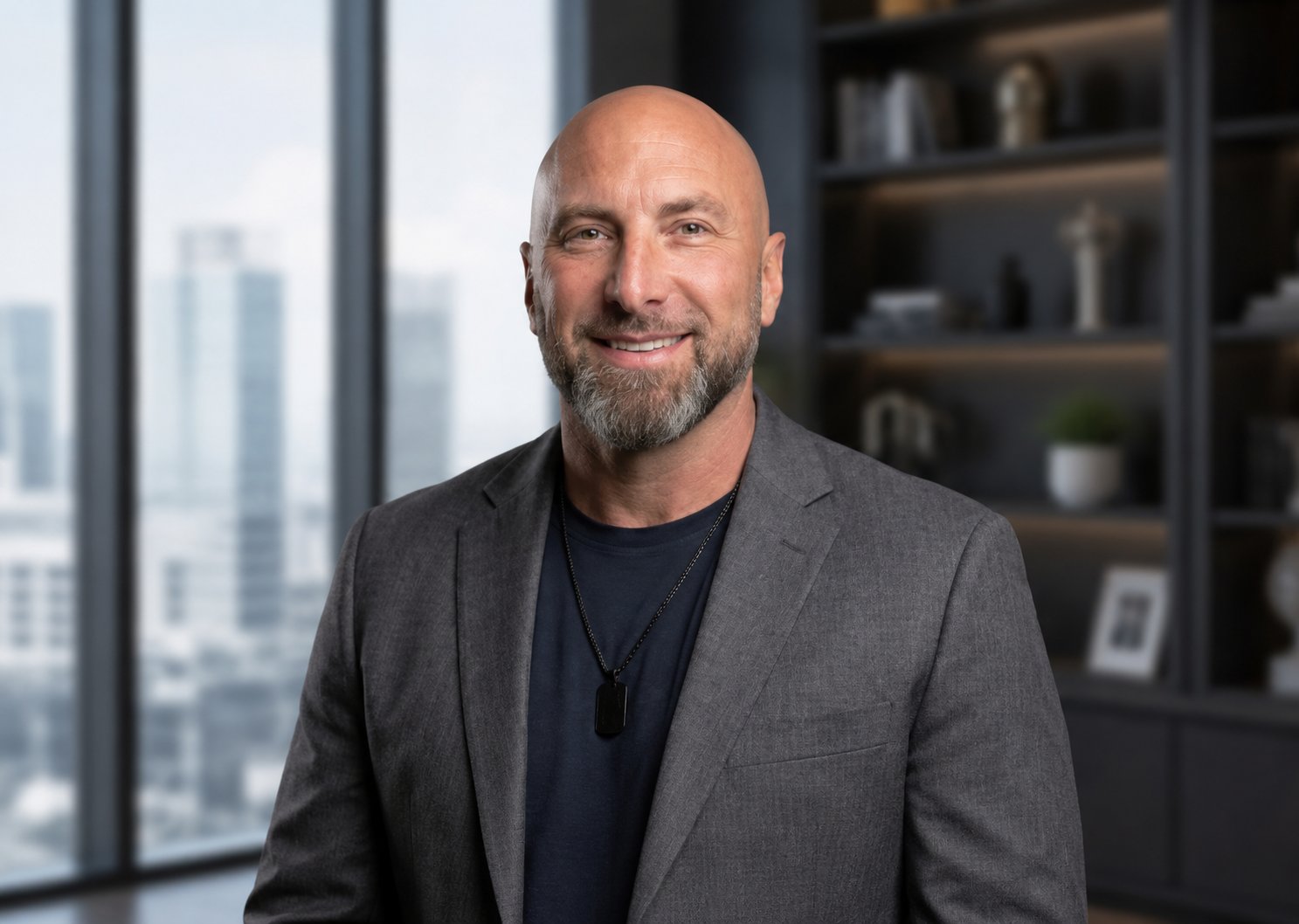
Rene Bystron is the co-founder and CEO of DeltaGen, a Seattle-based AI startup working at the intersection of generative AI, go-to-market execution, and B2B sales workflows. His background gives useful context to why DeltaGen is shaped the way it is.
Before DeltaGen, Bystron worked around business strategy, go-to-market problems, and AI adoption. He has also been linked with AI LaMo, a project focused on helping people understand how to use AI tools through games, quizzes, and interactive learning. That earlier work matters because it shows a consistent theme in his career. Bystron is not only interested in AI as a technology trend. He seems focused on how people actually use it in real situations.
That difference is important. Many companies want to use AI, but they do not always know where it should fit inside daily work. A sales rep does not need a generic chatbot sitting on the side. They need support that understands the buyer’s question, the company’s knowledge base, the deal context, and the pressure of the call. DeltaGen takes that idea and applies it to one of the most stressful moments in revenue work.
Bystron’s role as founder is not just about launching software. It is about turning a common pain point into a product that sales teams can actually use. In live sales calls, the challenge is not only finding an answer. The challenge is finding the right answer quickly enough to keep the conversation moving.
What DeltaGen is building
DeltaGen is building real-time AI support for B2B sales teams. Its product is often described around the idea of a Virtual Sales Engineer, which makes sense for technical sales environments. In many companies, sales engineers are the people who help account executives answer complex product, integration, security, and technical questions. They are valuable, but they are also limited. They cannot join every call, support every rep, or respond instantly to every buyer concern.
DeltaGen aims to give sales reps a smarter layer of support during live conversations. The software can listen to the call, follow the context, and surface helpful information when the rep needs it. That may include technical answers, discovery prompts, objection-handling guidance, or relevant points from the company’s own knowledge base.
This makes DeltaGen different from tools that only work after the call. Post-call summaries are useful, but they do not help when the buyer is asking a direct question in the moment. CRM notes are important, but they do not coach a rep through a tough objection. Sales enablement libraries can store great content, but a rep may not have time to search through documents while speaking to a buyer.
DeltaGen is trying to bring that knowledge into the call itself.
The sales problem Rene Bystron is trying to solve
The problem is easy to understand if you have ever been in a complex sales conversation. A buyer is interested, but they are not fully convinced. They want proof. They ask how the product works with their current systems. They bring up a competitor. They ask whether the solution has been used in a similar industry. They may even ask a technical question that the rep has never heard before.
In those moments, confidence matters. A strong answer can build trust. A weak answer can create doubt.
This is especially true in enterprise sales and technical B2B sales, where buying decisions often involve several stakeholders. A champion may like the product, but a technical buyer, security team, finance leader, or operations manager may raise objections. Each person has different concerns. A sales rep must understand the product, the customer’s business case, the buying process, and the competitive landscape.
That is a lot to carry into every call.
Rene Bystron’s approach with DeltaGen is built around a simple idea. Sales reps should not have to memorize everything to sound prepared. They should be able to use the company’s internal knowledge in real time, without breaking the flow of the conversation.
The phrase “let me get back to you” is not always bad. Sometimes it is the right answer. But when it happens too often, it slows the deal. It can also make the buyer feel like the rep is not close enough to the product. DeltaGen is trying to reduce those moments by giving reps better support while the conversation is still alive.
How DeltaGen brings instant answers into live sales calls
DeltaGen works around the live sales call, not outside it. The idea is that the AI can follow what is happening in the conversation and bring up relevant guidance as the buyer speaks. For example, if a prospect asks about a competitor, DeltaGen can help the rep respond with a sharper comparison. If the buyer asks about a technical feature, the tool can surface an answer from the company’s knowledge base. If the rep misses a key discovery question, DeltaGen can suggest it while there is still time to ask.
That real-time element is the main value.
Sales calls are not scripted events. A rep may enter the meeting with a plan, but the buyer’s questions can quickly shift the direction. DeltaGen’s role is to act like a quiet support system, helping the rep stay grounded even when the call becomes technical or unpredictable.
This is why the Virtual Sales Engineer angle is useful. A strong sales engineer does more than answer questions. They help translate product complexity into business value. They understand what the buyer is really asking. They know when to go deeper and when to keep the answer simple. DeltaGen is trying to bring part of that support to more calls, especially when a human sales engineer is not available.
For growing B2B companies, that could make a meaningful difference. New reps could ramp faster. Experienced reps could handle more complex conversations. Sales engineers could spend less time answering repeat questions and more time on high-value deals.
Why real-time AI support matters in B2B sales
AI in sales has often been used for writing emails, scoring leads, summarizing calls, or filling CRM fields. Those use cases can save time, but they do not always change the actual buyer conversation. DeltaGen is focused on a more direct part of the workflow. It wants to help reps perform better while they are speaking with prospects.
That matters because B2B sales is becoming harder. Buyers do more research before talking to sales. They compare vendors earlier. They ask more detailed questions. They expect reps to understand their industry, their pain points, and the product at a deeper level.
At the same time, companies are asking sales teams to move faster. Reps need to qualify better, build stronger business cases, manage more pipeline, and involve technical resources wisely. When product knowledge is scattered across documents, Slack threads, battlecards, call notes, and sales decks, it becomes difficult to use that knowledge at the right moment.
DeltaGen’s value is not only about speed. It is also about confidence. A rep who has the right guidance during a call can listen more carefully, ask better follow-up questions, and respond without sounding uncertain. The buyer feels that the conversation is more useful. The company gets more value from the knowledge it already has.
How Rene Bystron’s approach fits the future of AI in sales
Rene Bystron’s work with DeltaGen fits a larger shift in AI software. Early AI tools often asked users to stop what they were doing, open a separate window, write a prompt, and wait for an answer. That can be helpful, but it does not always fit fast-moving work.
The next wave of AI tools is moving closer to the workflow. Instead of asking people to leave their task and ask a chatbot for help, AI can appear inside the moment where the work is happening. In sales, that moment is the live buyer conversation.
DeltaGen reflects this shift. It is not trying to replace the rep. It is trying to support the rep at the point where better information can change the outcome. That is a more realistic vision for AI in sales. Buyers still want to speak with people. They still care about trust, timing, judgment, and human understanding. But reps can be stronger when they have intelligent support behind them.
This is also why DeltaGen’s focus on company knowledge is important. A general AI model may produce a polished answer, but B2B sales teams need answers that match their product, their positioning, their proof points, and their approved messaging. A rep cannot rely on vague or risky responses during a high-stakes buyer call. The answer has to be useful, accurate, and grounded in what the company actually knows.
DeltaGen’s startup journey and early traction
DeltaGen has attracted attention as an early-stage AI startup backed by names connected to the startup ecosystem, including Techstars, Forward VC, and B5 Capital. Public reporting has also connected the company with a $1.2 million pre-seed round, giving it room to build its product, strengthen sales and marketing, and continue developing its AI platform.
The company was co-founded by Rene Bystron and Avinash Uddaraju, with Bystron serving as CEO and Uddaraju connected to the technical side of the business. That founder mix matters because DeltaGen sits between business workflow and AI product development. It needs both sides to work. The product must understand sales pressure, but it also has to be technically reliable enough for teams to trust it during real calls.
DeltaGen’s journey also shows how startups can sharpen their focus over time. Earlier public descriptions connected the company with broader generative AI workflows, including business processes and M&A-related use cases. Its current positioning around real-time sales coaching and Virtual Sales Engineer support shows a more specific market direction.
That kind of focus can be valuable for an early-stage company. Instead of trying to be an AI tool for every team, DeltaGen is aiming at a painful and repeated problem in B2B sales. Technical questions happen every day. Objections happen every day. Reps need help during calls every day. A product that solves that well can earn attention because the use case is clear.
What makes DeltaGen different from regular sales software
Most sales teams already have a large software stack. They use CRM platforms to manage accounts and opportunities. They use call recording tools to capture meetings. They use sales enablement platforms to store content. They use email automation tools, forecasting tools, and analytics dashboards.
Those tools are useful, but many of them sit before or after the most important moment. They help prepare for the call or analyze what happened after it. DeltaGen is different because it is focused on what happens during the call.
That difference changes the value of the tool. A battlecard is useful if the rep can find it quickly. A knowledge base is useful if the rep knows where to look. A call summary is useful after the meeting ends. But when a buyer asks a tough question, the rep needs help right away.
DeltaGen is designed for that live gap. It can support discovery, objection handling, technical answers, competitive positioning, and sales coaching in the same flow where the conversation is happening. That makes it less like a static library and more like an active assistant.
For sales leaders, this could also help with consistency. One rep may know the perfect answer to a pricing objection, while another may struggle. One rep may remember to ask the right qualification question, while another may skip it. If DeltaGen can bring the right prompts and answers into more calls, teams may be able to make their sales process more consistent without forcing reps to sound scripted.
The bigger impact of Rene Bystron’s work
The bigger story around Rene Bystron and DeltaGen is not just about one AI sales tool. It is about making expert knowledge easier to use across a company.
In many B2B organizations, important knowledge is trapped in different places. Product experts know one part. Sales engineers know another. Top reps carry lessons from past deals. Customer success teams understand common objections after onboarding. Marketing owns positioning and messaging. Leadership understands strategy. But the front-line sales rep may not have all of that knowledge ready when a buyer asks for it.
DeltaGen is trying to close that distance.
If the product works the way it is intended, it can help companies turn scattered internal knowledge into real-time support. That could make technical expertise more accessible, especially for reps who are still learning the product or selling into complex accounts.
It could also change how teams use sales engineers. Instead of joining every call where a technical question might come up, sales engineers could focus on the moments where deep human expertise is truly needed. Routine answers, competitive prompts, and basic technical explanations could be supported by AI. More complex conversations could still involve people.
That balance is important. The future of sales is unlikely to be fully automated for complex B2B deals. Trust still matters too much. But AI can help reps show up with better information, stronger timing, and more confidence.
Why DeltaGen could become important for technical sales teams
Technical sales teams face a growing challenge. Products are more complex. Buyers are more informed. Competitive markets move quickly. Sales cycles often involve several decision-makers, each with their own questions and objections.
In that environment, the best reps are not only good communicators. They are also strong translators. They can connect product details to business outcomes. They can explain technical ideas without making them confusing. They can answer objections without sounding defensive. They can guide the buyer toward the next useful step.
DeltaGen is being built to help more reps operate at that level.
For Rene Bystron, the opportunity is clear. Sales teams do not need another tool that creates more admin work. They need software that helps them in the moments that decide whether a buyer leans in or loses interest. By bringing instant technical answers into live sales calls, DeltaGen is aiming at one of the most important parts of modern B2B selling.
The company’s success will depend on how well it delivers accurate, useful, and timely support inside real sales conversations. But the problem it is solving is real. Every technical sales team knows the pressure of a buyer question that needs a strong answer now, not tomorrow.
That is where Rene Bystron is placing DeltaGen. Not as a replacement for salespeople or sales engineers, but as a real-time support layer that helps teams use their knowledge when it matters most.