Headcount planning sounds simple from the outside. A company decides who it needs to hire, finance checks the budget, HR keeps the people data updated, and recruiting fills the roles. In real life, it is rarely that clean.
For many growing companies, hiring plans live in spreadsheets. Budget updates sit in finance tools. Employee data sits inside an HRIS. Candidate pipelines live in an ATS. Department leaders make requests over Slack, email, or meetings. By the time everyone gets aligned, the plan may already be out of date.
That messy gap is where Tushar Makhija saw an opportunity.
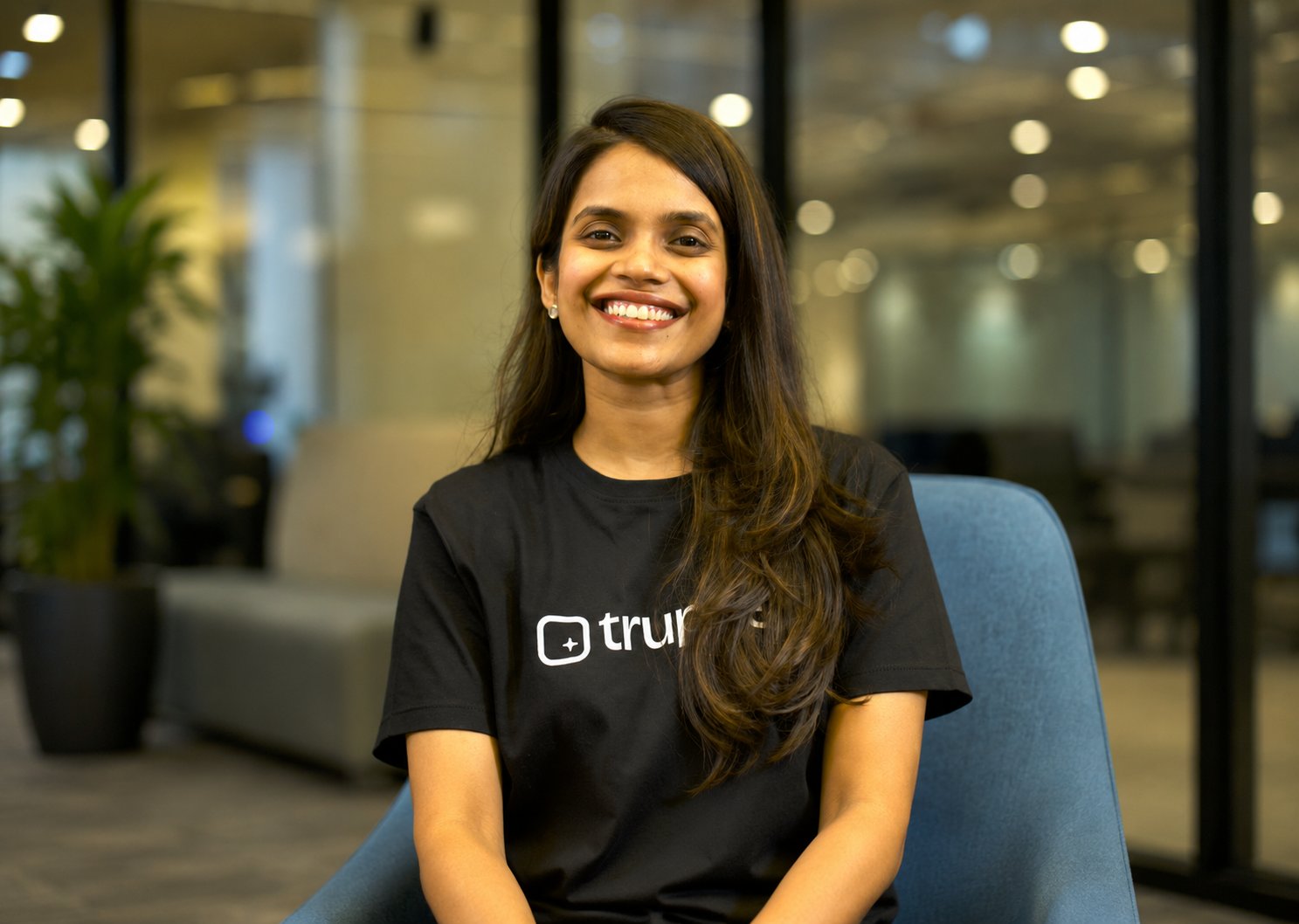
As the Co-founder and CEO of TeamOhana, Tushar Makhija is building a platform that helps companies plan, manage, and adjust their workforce with more clarity. TeamOhana brings finance, HR, talent, and department leaders into one shared system so headcount decisions can move faster without losing financial discipline.
The company’s focus is especially relevant now because people are often one of the biggest costs inside a business. When hiring plans are disconnected, companies can overhire, delay important roles, miss budget targets, or create confusion between teams. TeamOhana aims to replace that scattered process with a more connected, AI-supported way to manage workforce planning.
Who is Tushar Makhija
Tushar Makhija is best known today as the founder leading TeamOhana, but his path into workforce planning came through years of work in SaaS, revenue leadership, finance-adjacent operations, and go-to-market strategy.
Before building TeamOhana, he worked across fast-moving software companies where hiring, team growth, revenue goals, and operating discipline were closely connected. His background includes experience at Helpshift and Airbase, two companies that gave him a close view of how teams scale, how revenue organizations grow, and how financial planning affects daily business decisions.
That matters because TeamOhana is not solving a small administrative issue. It is dealing with a problem that sits at the center of company growth. Every new role affects budget. Every delayed hire affects execution. Every compensation change affects planning. Every team restructure changes the picture again.
A founder with experience in SaaS growth, sales, finance workflows, and team building is naturally close to this problem. Tushar Makhija has seen how hard it can be for leaders to make confident headcount decisions when the data is spread across too many tools and too many teams.
That practical understanding shapes the way TeamOhana is positioned. It is not just another HR tool. It is built around the idea that workforce planning should be a shared operating process, not a spreadsheet that only one department updates.
The workforce planning problem TeamOhana is solving
Workforce planning is one of the most important parts of running a company, but it is also one of the easiest to get wrong.
A company may start the year with a clear hiring plan. Finance approves a budget. Department leaders get headcount targets. Recruiting begins sourcing candidates. HR prepares for onboarding and compensation planning. Then reality changes. Revenue targets shift. A product roadmap gets updated. A key employee leaves. A market slows down. A new opportunity appears. Suddenly, the original plan needs to change.
The problem is not only that plans change. The bigger issue is that most companies do not have a clean system for managing those changes across teams.
Finance may not know that a department has opened a new role. Recruiting may be working on a job that no longer fits the budget. HR may be updating employee records without seeing the financial impact. A manager may assume a role is approved when finance still sees it as pending.
This creates a slow and frustrating loop. Teams spend hours checking spreadsheets, asking for updates, reconciling data, and trying to understand which version of the plan is correct.
TeamOhana was built to reduce that confusion. The platform connects the people, systems, and workflows involved in headcount planning so companies can work from one source of truth. Instead of treating workforce planning as a static annual exercise, TeamOhana helps companies manage it as a living process.
How TeamOhana makes headcount planning smarter
At its core, TeamOhana helps companies plan and manage headcount in one place. That includes approved roles, open roles, future hiring plans, compensation details, budget impact, and changes that need review.
The platform is designed for the teams that touch headcount most often: finance, HR, talent, and department leaders.
For finance teams, TeamOhana gives better visibility into workforce spend. Since headcount is often one of the largest expenses in a business, finance leaders need to understand what has already been approved, what is still pending, and how changes affect the budget.
For HR teams, the platform creates a clearer connection between people data and planning. HR is often responsible for accurate employee records, organizational structure, and compensation information. When that data is connected to the company’s hiring plan, decisions become easier to track.
For talent teams, TeamOhana helps create cleaner hiring priorities. Recruiters need to know which roles are approved, which ones are paused, which roles are urgent, and where hiring fits into the broader company plan.
For department leaders, the value is visibility. Instead of chasing approvals or guessing what is allowed, leaders can see where their headcount plans stand and how their requests fit into the company’s financial picture.
This is what makes TeamOhana useful as a workforce planning platform. It does not treat hiring as a separate recruiting activity. It connects hiring to budget, planning, approvals, and business goals.
Why AI matters in TeamOhana’s vision
AI is becoming more important in workforce planning because companies need faster answers from complex data. A hiring plan is not just a list of names and roles. It connects to budgets, departments, compensation bands, open positions, backfills, start dates, forecasts, and business priorities.
Manually updating that information can take a lot of time. It also creates room for mistakes.
TeamOhana is moving toward a more AI-supported model where workforce planning becomes easier to manage in real time. The company has discussed AI agents for workforce planning, with the goal of helping teams respond faster when plans shift.
That kind of AI can be useful in several ways. It can help teams model different hiring scenarios. It can surface budget impact when a role changes. It can support reforecasting when revenue goals move. It can help finance, HR, and talent teams understand how a decision affects the wider plan.
The important point is that AI in this context is not about replacing human judgment. Companies still need leaders to decide where to invest, which teams to grow, and how to balance ambition with financial discipline. AI helps by reducing the manual work around those decisions and making the planning process more responsive.
For Tushar Makhija, this is where TeamOhana becomes more than a headcount tracker. The broader idea is to make workforce planning active, connected, and intelligent. Instead of looking backward at outdated spreadsheets, teams can work with fresher data and make decisions with more confidence.
TeamOhana’s growth and funding milestone
One reason Tushar Makhija’s founder story stands out is that TeamOhana is building in a market where the pain is easy for growing companies to understand.
The company has raised more than $11.5 million in total funding, including a seed round led by Lerer Hippeau and Collide Capital, with continued support from Sierra Ventures and Recall Capital. That funding gives TeamOhana more room to scale its platform and continue developing AI-powered workforce planning tools.
Funding alone does not prove a company will win a market, but it does show that investors see a real opportunity in the problem TeamOhana is solving. Workforce planning has become more important as companies try to grow efficiently, control costs, and make smarter decisions about where to invest.
The company has also gained attention for working with well-known teams such as Vercel, Postman, Scale.ai, SeatGeek, and Zip. These are the kinds of companies where planning needs can change quickly, and where headcount decisions often have direct business impact.
For a platform like TeamOhana, that kind of customer base helps validate the need for a more connected approach to headcount management. Fast-growing teams cannot afford slow planning cycles, unclear approvals, or disconnected hiring data.
How Tushar Makhija connects finance, HR, and talent teams
The biggest strength of TeamOhana’s approach is that it recognizes how many teams are involved in workforce decisions.
Headcount planning is often misunderstood as a finance task or an HR task. In reality, it belongs to several teams at once.
Finance cares about budget, forecasts, and spend control. HR cares about people data, compensation, organizational structure, and workforce changes. Talent teams care about open roles, hiring velocity, candidate pipelines, and recruiter focus. Department leaders care about building the teams they need to hit business goals.
When these teams work separately, decisions slow down. When they work from the same system, the company has a better chance of staying aligned.
This is where Tushar Makhija’s leadership matters. His work with TeamOhana is not just about giving companies a better dashboard. It is about changing the workflow around headcount decisions. The platform pushes companies toward a more collaborative model where everyone can see the same plan and understand how changes affect the business.
That shift is especially valuable for CFOs and CHROs. CFOs need control over spending without blocking growth. CHROs need accurate workforce data without relying on outdated tools. TeamOhana sits between those needs and helps both sides work from a clearer shared view.
Why TeamOhana is useful for high-growth companies
High-growth companies face a difficult balance. They need to hire quickly enough to support growth, but they also need to stay disciplined with spending.
That balance becomes harder as the company grows. A small startup may manage hiring through a simple spreadsheet. But once a company has multiple departments, budget owners, hiring managers, recruiters, and finance partners, the old process starts breaking down.
A role that looks simple on paper can affect several areas at once. The department budget changes. The recruiting plan changes. The compensation forecast changes. The onboarding plan changes. The org chart changes. If the company is hiring across regions, the complexity grows even more.
TeamOhana is useful because it brings those moving pieces into one workflow. Leaders can see approved headcount, pending requests, open roles, and budget impact without depending on endless manual updates.
For companies trying to scale efficiently, that visibility can make a real difference. It helps them avoid unnecessary confusion, reduce wasted effort, and make hiring decisions that match business priorities.
This is also why AI workforce planning is becoming more relevant. The faster a company changes, the more it needs systems that can keep up. Static planning tools are not enough when teams are constantly adjusting hiring plans, budgets, and forecasts.
The shift from spreadsheets to workforce intelligence
For years, spreadsheets have been the default tool for headcount planning. They are flexible, familiar, and easy to start with. But they also become fragile as companies grow.
A spreadsheet can show a plan, but it does not always show the full workflow behind that plan. It may not connect cleanly to HRIS data, ATS data, finance forecasts, or approval systems. It may not update in real time. It may not show who changed what and why. It may not give every team the same view.
That is why the shift toward workforce intelligence matters.
Workforce intelligence is about more than counting employees. It is about understanding how people decisions connect to business performance. It includes hiring plans, compensation, team structure, budget impact, scenario planning, and future growth.
TeamOhana is building around this shift. The platform gives companies a way to treat workforce planning as an ongoing strategic process, not a once-a-year budgeting exercise.
This is an important change because headcount decisions are some of the most expensive decisions a company makes. Hiring too fast can strain the business. Hiring too slowly can block growth. Hiring without alignment can create confusion across departments.
By using connected data and AI-supported workflows, TeamOhana aims to help companies make those decisions with more clarity.
What Tushar Makhija’s journey says about modern SaaS leadership
The story of Tushar Makhija and TeamOhana also reflects a broader pattern in modern SaaS. Strong founders often come from deep exposure to a painful business problem. They see the issue up close, understand why existing tools fall short, and build a product around a workflow that companies already care about.
In Tushar Makhija’s case, the problem is not abstract. Companies everywhere need to know how many people they can hire, what those hires will cost, and how workforce plans connect to business goals.
His background in SaaS, revenue growth, finance workflows, and go-to-market strategy gives him a practical lens on the problem. He understands that a hiring plan is not only an HR document. It is also a financial plan, an operating plan, and a growth plan.
That is what makes TeamOhana a strong example of AI-native business software. It is not using AI only as a feature label. It is applying AI to a workflow that is already complex, expensive, and important.
The success of TeamOhana will depend on how well it can keep helping companies turn workforce planning into a clearer, faster, and more collaborative process. But the direction is already clear. Tushar Makhija is building for a future where headcount planning is no longer trapped in static spreadsheets. It becomes a real-time system that helps leaders understand people, cost, and growth in one place.