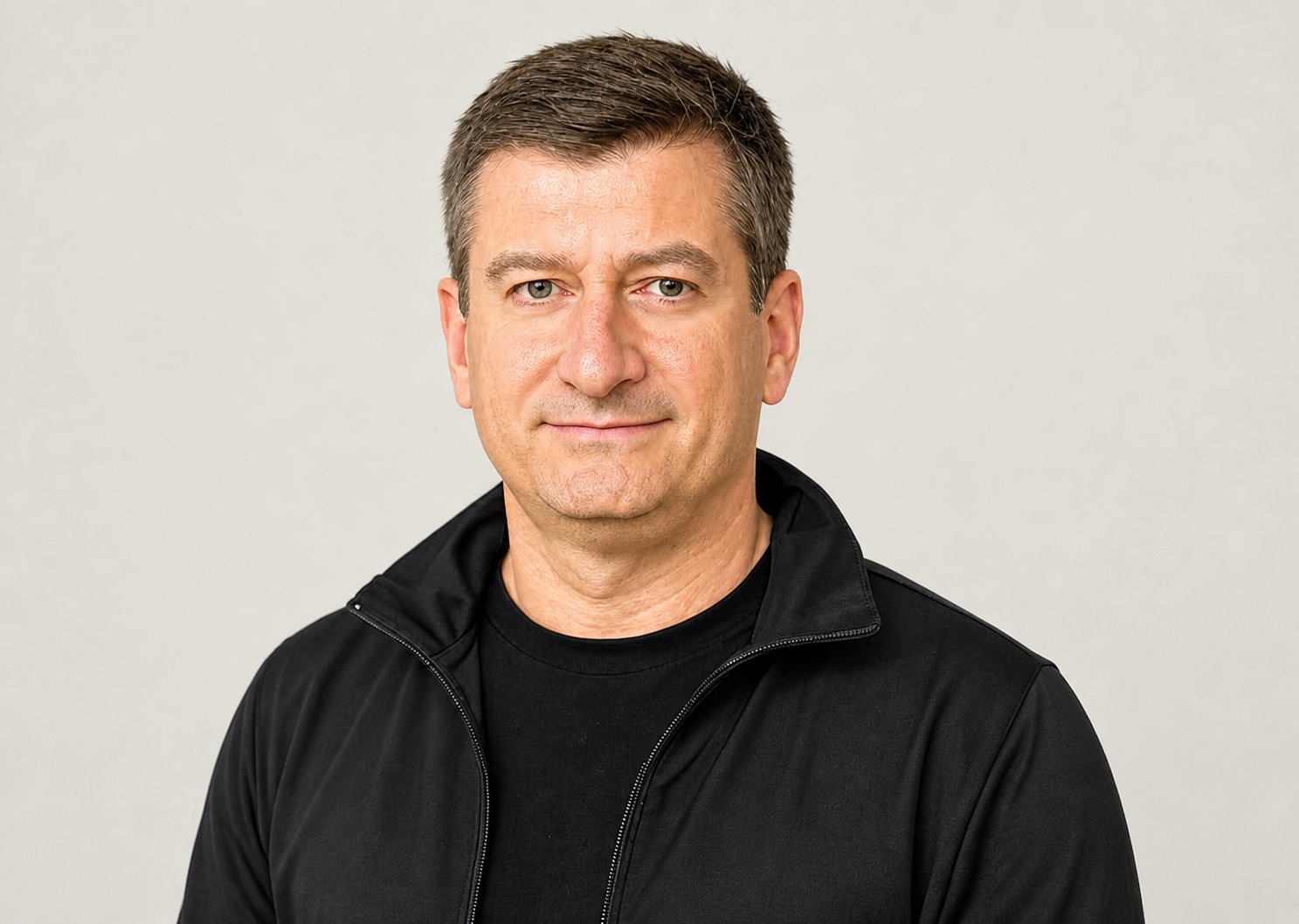
Steve Yaskin has spent much of his career working on one of healthcare’s most frustrating problems, getting the right health information to the right people at the right time. That work first became widely known through Health Gorilla, the healthcare interoperability company he co-founded in 2014. Now, with beHuman, Yaskin is applying that same understanding of healthcare data, access, and workflow to a more patient-facing mission, making early cancer detection easier to reach.
The idea behind beHuman is simple but important. Many people do not miss cancer screening because they do not care about their health. They miss it because the system is hard to navigate. Appointments can be difficult to schedule. Insurance can be confusing. Follow-up can fall through the cracks. Patients may not know what screening they need or when they need it. For underserved communities, those barriers can become even harder to overcome.
beHuman is being built to reduce that friction. The company combines virtual care, preventive screening support, diagnostic testing coordination, health data access, and AI-powered administrative automation. Its goal is not to replace doctors or turn cancer care into software. Its goal is to help more people reach the right screening pathway earlier, before a health concern becomes more serious.
That makes Steve Yaskin’s latest chapter especially interesting. He is not just building another healthcare AI company. He is bringing years of experience in clinical data exchange into one of the most urgent areas of preventive care.
Who is Steve Yaskin
Steve Yaskin is a healthtech entrepreneur best known as the co-founder of Health Gorilla, a company focused on healthcare interoperability and clinical data exchange. Health Gorilla was founded in Silicon Valley and grew around a clear healthcare need, helping providers, labs, payers, and other healthcare organizations securely access and share patient data.
That background matters because healthcare rarely fails because of one single issue. It often fails because systems do not connect well. A patient may have records in one place, lab results in another, and care history somewhere else. Providers may not always have a complete view of what has already happened. Patients may be asked to repeat information or chase documents that should have moved with them.
Yaskin’s work at Health Gorilla placed him close to those real operational problems. He saw how fragmented data can slow care, create gaps, and make healthcare harder for both patients and clinicians. That experience helped shape his later move into beHuman, where early cancer detection depends not only on good testing, but also on better coordination, easier access, and consistent follow-up.
How Health Gorilla shaped Steve Yaskin’s view of healthcare access
Before beHuman, Steve Yaskin helped build Health Gorilla around a major healthcare infrastructure challenge. The company became known for helping organizations exchange clinical information more securely and efficiently. It also became part of the broader national conversation around interoperability, patient records, data access, and healthcare networks.
This is important because early detection is not only a clinical issue. It is also a systems issue. A person can only benefit from screening if they know what they need, can get scheduled, can complete the right test, and can receive clear next steps. When the system is fragmented, patients can easily disappear between those steps.
Health data exchange gives healthcare teams a better chance of seeing the full picture. It can support chart review, eligibility checks, patient history, lab coordination, and care navigation. These are not flashy parts of healthcare, but they are often the parts that decide whether preventive care actually happens.
That is where Yaskin’s background becomes relevant to beHuman. He already understood that healthcare access is not solved by one appointment or one test. It requires infrastructure, workflow, and trust. beHuman builds on that idea by focusing on the operational side of early cancer detection, where many patients need help before they ever reach a specialist.
Why Steve Yaskin started beHuman
Steve Yaskin started beHuman to focus on a problem that affects millions of people, cancer is often found later than it should be. Late detection can make treatment more difficult, more expensive, and more emotionally painful for patients and families. While not every cancer can be caught early, better screening and earlier risk identification can make a meaningful difference.
The challenge is that preventive care is not always easy to access. Many people are busy, uninsured or underinsured, unsure about coverage, disconnected from primary care, or living in communities where healthcare access is limited. Even when screening is available, patients may not know which tests are appropriate for their age, family history, symptoms, or risk level.
beHuman is built around that gap. It aims to make preventive cancer screening feel less confusing and less out of reach. Instead of expecting every patient to understand the healthcare system on their own, the platform is designed to support them through the process.
For Yaskin, this is a natural extension of his earlier work. At Health Gorilla, he focused on helping healthcare organizations access and exchange data. At beHuman, he is using that experience to help patients move through preventive care with fewer obstacles.
What beHuman is building for early cancer detection
beHuman is a physician-led preventive care platform focused first on cancer screening. Its model brings together virtual clinical care, screening support, diagnostic testing coordination, insurance-related workflows, and patient follow-up. The company also uses AI to support the administrative work that often slows healthcare teams down.
In practical terms, beHuman is trying to make early cancer detection more organized. A patient may need risk assessment, chart review, eligibility confirmation, scheduling, reminders, test coordination, and follow-up instructions. Each step can sound small on its own, but together they can become a major barrier.
This is where the company’s technology becomes useful. beHuman uses agentic AI to help automate parts of the administrative and operational engine behind virtual care. That can include tasks such as eligibility checks, chart reviews, scheduling support, social determinants of health capture, and billing workflows.
The bigger goal is to make preventive screening easier to deliver at scale. If administrative work takes too much time, healthcare teams struggle to reach more patients. If patients face too many steps, many will delay care or skip it altogether. beHuman is trying to reduce both problems at the same time.
How beHuman uses AI without removing the human side of care
A lot of healthcare AI companies talk about speed and automation. beHuman has a more grounded opportunity, using AI to handle the work that keeps patients from getting timely care in the first place.
The name beHuman matters here. The company is not built around the idea that AI should replace the human side of medicine. Its value is in using AI to clear away repetitive administrative work so care teams can focus on patients. That makes the technology practical rather than abstract.
For example, AI can help organize records, check eligibility, flag missing information, support scheduling, and help manage follow-up. These tasks are not always visible to patients, but they affect the patient experience. When they are slow or inconsistent, patients wait longer, miss appointments, or do not get the next step they need.
A physician-led model also helps separate beHuman from companies that treat healthcare as a pure software problem. Cancer screening still requires clinical judgment, patient context, and responsible care pathways. AI can support the workflow, but it should not become the whole workflow.
That balance is central to Steve Yaskin’s approach. His background in healthcare data gives him a clear view of what technology can improve, but beHuman still keeps the patient and clinician relationship at the center of the model.
Why early cancer detection matters for underserved communities
Early cancer detection is important for everyone, but access is not equal. People in underserved communities often face more barriers to preventive care. Some may have limited access to primary care. Others may struggle with transportation, time off work, insurance confusion, language barriers, or trust in the healthcare system.
Those barriers can delay screening. A delayed screening can mean a delayed diagnosis. A delayed diagnosis can lead to more complex treatment and worse outcomes. This is why accessibility is not a side issue in cancer detection. It is part of the core problem.
beHuman is positioning itself around equitable access to early cancer screening. That means the company is not only trying to build a better digital tool. It is trying to reach people who are more likely to fall through the gaps of the traditional system.
Virtual care can help, but only if it is paired with practical support. Patients need clear guidance. They need help understanding what comes next. They need reminders, scheduling support, and follow-up. They also need care that feels approachable rather than intimidating.
This is one of the reasons Steve Yaskin’s work with beHuman stands out. The company is not simply talking about innovation. It is aiming at a real access problem that affects whether people receive screening early enough to matter.
The role of virtual care in beHuman’s model
Virtual care is an important part of the beHuman model because it can meet patients earlier. A patient may be more willing to start with a virtual intake than to navigate a traditional clinic appointment from scratch. That first step can open the door to risk assessment, screening education, and care navigation.
For early cancer detection, virtual care can support several key moments. It can help collect patient history, identify risk factors, explain screening options, coordinate testing, and keep patients connected after the first interaction. It can also make preventive care easier for people who live far from clinics or cannot easily take time away from work or caregiving.
Still, virtual care works best when it is connected to real clinical pathways. beHuman is not just offering a digital front door. It is building a system that can guide patients through the steps that come after that first contact. That includes the operational work behind the scenes, such as eligibility checks, documentation, scheduling, and follow-up.
This is where Yaskin’s experience with healthcare infrastructure becomes useful again. Virtual care is not only video calls. It depends on data, workflow, coordination, and the ability to move information safely. beHuman brings those pieces into a preventive care model focused on cancer screening.
How beHuman’s funding supports its growth
beHuman raised a $4 million seed round led by Santé Ventures, with participation from DHVP.io. The funding gives the company room to expand its model, build its technology, strengthen partnerships, and reach more patients through insurance and customer networks.
For an early-stage healthtech company, seed funding is not just a headline. It is a signal that investors see a clear problem and a credible path toward solving it. In beHuman’s case, the problem is large, urgent, and deeply tied to healthcare costs and patient outcomes.
Cancer care can become far more difficult when disease is found late. Preventive screening and earlier detection can help shift the focus upstream. That is the space beHuman wants to occupy. The company is not designed to treat cancer directly. It is designed to help people get screened earlier and move through the preventive care process with less friction.
The funding also supports the company’s national ambitions. If beHuman can make its model work across more patient groups, insurance partners, and care settings, it could become part of a broader shift toward AI-supported preventive healthcare.
What makes Steve Yaskin’s approach different
What makes Steve Yaskin’s approach different is the combination of infrastructure thinking and patient-facing care. Many founders come to healthcare AI from a software background. Yaskin brings experience from the data exchange side of healthcare, where success depends on security, compliance, trust, and real-world workflows.
That experience matters because cancer screening is not a single transaction. It involves patient history, risk factors, clinical guidelines, payer requirements, lab coordination, provider review, and follow-up. If any part of that chain breaks, the patient may not get the care they need.
beHuman is built with that chain in mind. It does not only focus on the patient interface. It focuses on the administrative and operational system that makes preventive care possible. That includes the unglamorous work that often determines whether healthcare delivery succeeds.
Yaskin’s work also reflects a broader founder pattern. He first helped build infrastructure through Health Gorilla. Now he is applying the lessons of that infrastructure to a specific care problem. That shift gives beHuman a strong story, because it connects past achievement with a new mission.
The bigger healthcare shift behind beHuman
beHuman is part of a larger movement in healthcare. The industry is slowly shifting from reactive care toward earlier intervention, prevention, and better use of patient data. This shift is especially important in cancer, where timing can change everything.
Healthcare systems also face pressure to do more with limited staff. Administrative overload is one of the biggest challenges in modern care delivery. Doctors, nurses, and care teams often spend too much time dealing with paperwork, documentation, scheduling, billing, and coordination. AI can help if it is used carefully and responsibly.
That is the opportunity beHuman is pursuing. Instead of using AI only for prediction or diagnosis, the company uses it to support the work around care delivery. That may sound less dramatic, but it can be highly valuable. A better workflow can mean more completed screenings, faster follow-up, and fewer patients lost between steps.
This also connects to health equity. Technology should not only serve patients who already have easy access to care. The strongest healthcare technology should help reach people who are being missed. beHuman’s focus on underserved communities gives its work a sharper purpose.
Steve Yaskin’s success story from Health Gorilla to beHuman
Steve Yaskin’s success story is not only about building companies. It is about following a consistent healthcare problem from one layer to another. With Health Gorilla, he worked on the infrastructure needed to move clinical data across the healthcare system. With beHuman, he is using that experience to support earlier cancer detection through preventive care.
That path gives his work a clear sense of progression. First came the problem of data access. Then came the problem of using data, workflow, and AI to help patients take action sooner. In both cases, the mission is tied to making healthcare work better in the real world.
beHuman is still early, but its direction is clear. It is building around the idea that preventive care should be easier, more proactive, and more accessible. It wants to help people understand their risk, complete the right screening, and avoid being left alone in a complicated system.For Yaskin, that is where healthtech can have real value. Not in adding more complexity, but in removing it. Not in replacing care, but in helping care reach people sooner. That is why beHuman feels like a natural next chapter after Health Gorilla, and why Steve Yaskin is becoming an important name in the conversation around AI-driven early cancer detection.