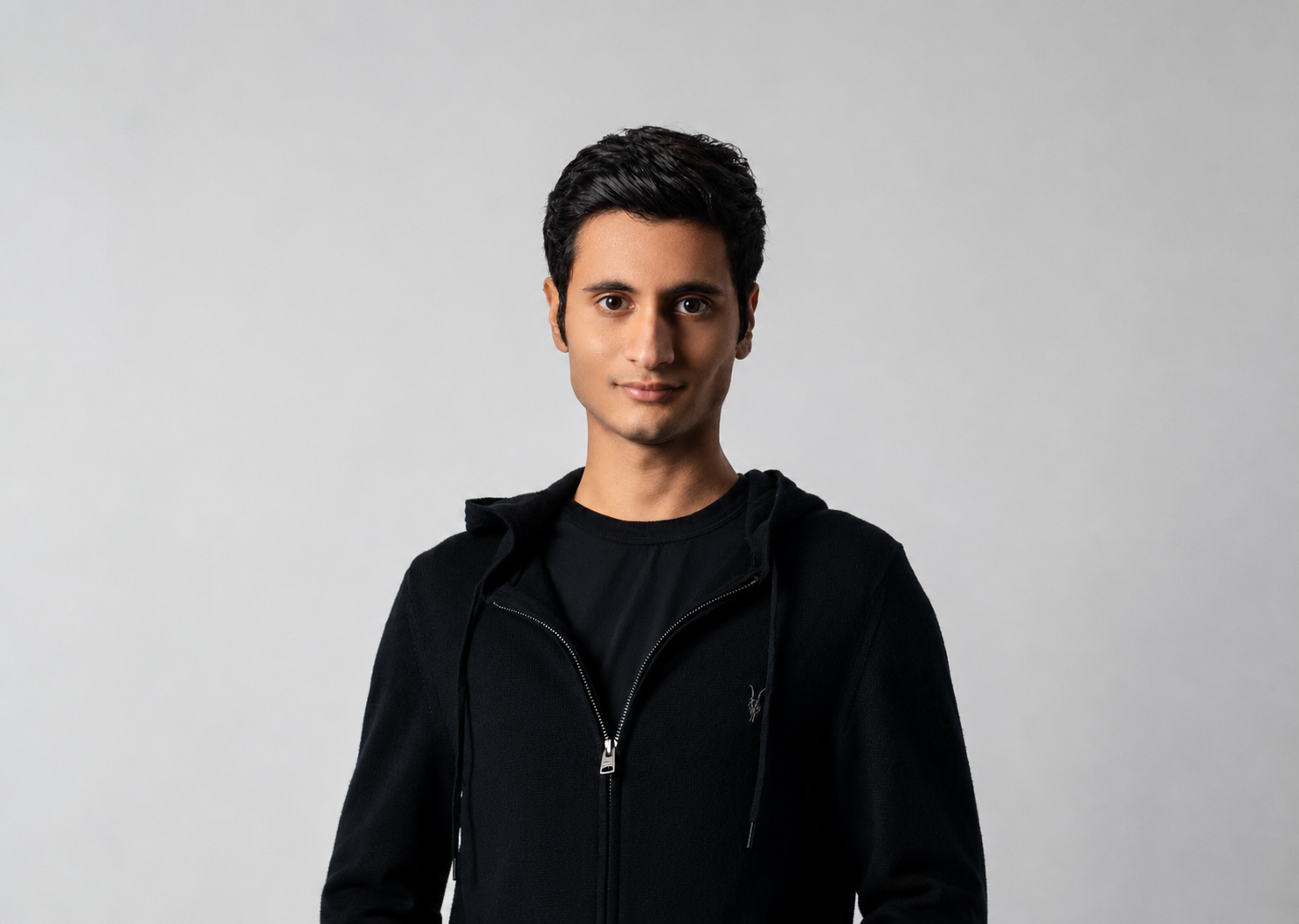
AI wearables are having a strange moment. On one side, people want technology that can help them remember ideas, capture thoughts, organize notes, and stay present without constantly pulling out a phone. On the other side, many wearable AI products still feel too obvious, too technical, or too uncomfortable for real life.
That is the gap Elena Wagenmans is trying to close with Taya.
Instead of building another device that looks like it belongs in a tech demo, Wagenmans is taking a more personal route. Taya is being shaped as jewelry first, with AI built into the experience in a quieter and more intentional way. The idea is simple but powerful: if a wearable is going to sit close to your body, capture your voice, and help store parts of your daily life, it has to feel trustworthy, useful, and natural enough to wear every day.
That is what makes the story of Elena Wagenmans and Taya interesting. It is not only about artificial intelligence. It is about design, privacy, hardware, memory, and the emotional side of living with technology.
Who Is Elena Wagenmans
Elena Wagenmans is the cofounder and CEO of Taya, an AI hardware startup focused on wearable intelligence. Her background gives the company a strong foundation because she is not approaching the problem only from the software side.
Wagenmans has experience in product design, mechanical engineering, and consumer hardware. Before building Taya, she worked on production-grade hardware at Apple, including engineering work connected to the 2024 iPad Pro. That kind of experience matters because wearable AI is not just about having a clever app or a strong AI model. It is also about making a physical product that people can carry, trust, charge, wear, and use without friction.
This is where Wagenmans’ founder story becomes stronger. She brings together two worlds that are often separated in technology: serious engineering and human-centered design. Many AI products are built around capability first. Taya appears to be built around use, trust, and wearability from the beginning.
What Taya Is Trying to Build
Taya is an AI-powered necklace designed to help people capture personal thoughts, voice notes, reminders, ideas, and moments they might otherwise lose. Rather than asking users to open a phone, type a note, or start a recording app, Taya brings voice capture into a wearable format.
The bigger idea is not simply note-taking. It is personal memory.
People have useful thoughts at inconvenient times. They remember something while walking. They get an idea during a conversation. They think of a task while cooking, commuting, or getting ready for the day. Most of these thoughts disappear because the moment passes too quickly. Taya is trying to make that capture process easier and more natural.
But the company is also trying to avoid one of the biggest concerns around AI wearables: the feeling that a device is always listening. Taya’s positioning focuses on intentional voice capture, which means the product is designed around the user choosing when to record instead of quietly collecting everything around them.
That difference is important. A product worn around the neck does not just raise technical questions. It raises social and emotional questions too. Will people feel comfortable using it around others? Will others feel comfortable near it? Can the user trust where the data goes? These are the questions that can decide whether an AI wearable becomes part of daily life or ends up forgotten in a drawer.
Why Taya Feels Different From Typical AI Wearables
Many AI wearables have struggled because they feel like technology trying too hard to be futuristic. They may have impressive features, but the product itself can feel awkward. Some devices look too bulky. Some feel socially uncomfortable. Others depend on constant recording, which creates privacy concerns before users even understand the value.
Taya takes a different path by starting with jewelry.
That may sound like a small design choice, but it changes the entire product experience. Jewelry is personal. It is part of someone’s style. It is visible, but not necessarily loud. It can feel intimate without feeling strange. By building Taya as AI jewelry, Wagenmans is trying to make wearable AI feel less like a gadget and more like something that belongs in daily life.
This matters because wearables only work when people actually wear them. A brilliant AI device has little value if users leave it at home. For Taya, the design challenge is not only to make something intelligent. It is to make something people want to put on in the morning.
That is one of the most practical insights in the company’s approach. Wearable AI cannot succeed on software alone. The physical object has to earn its place on the body.
The Privacy First Idea Behind Taya
Privacy is not a minor feature in wearable AI. It is the foundation.
A voice-based AI necklace sits in a sensitive place in a user’s life. It may be used around friends, coworkers, family members, or strangers. That means trust has to be designed into the product from the start, not added later as a marketing line.
This is why Taya’s privacy-first approach is central to its story. The company’s focus on intentional recording helps separate it from products that rely on ambient listening. Instead of trying to capture the whole room, Taya is positioned around capturing the user’s own voice.
That distinction matters because people are becoming more aware of how AI tools collect, process, and store personal data. With wearable devices, the concern becomes even stronger. A phone can be placed on a table. A laptop can be closed. A necklace moves with the person.
For Taya to succeed, users need to feel that the product respects them and the people around them. That includes clear activation, thoughtful data handling, and a product experience that does not make people feel watched or recorded without permission.
In a market where some AI products chase more data at any cost, Taya’s more selective approach could become one of its strongest advantages.
How Elena Wagenmans Brings Hardware Discipline Into Taya
Building AI hardware is difficult. Building AI hardware that is small, wearable, attractive, and reliable is even harder.
This is where Elena Wagenmans’ Apple hardware background becomes important. Consumer hardware requires a level of discipline that is easy to underestimate. A necklace cannot be treated like a rough prototype. It has to feel comfortable. It has to be light enough to wear. It has to handle battery limitations. It needs microphones that work in real environments. It needs thoughtful materials, good durability, and a product shape that does not feel awkward on the body.
Every small decision matters. The weight of the device affects comfort. The microphone placement affects recording quality. The battery affects daily use. The finish affects whether it feels like jewelry or like a piece of plastic tech. Even the way a user activates the device can change whether the product feels natural or annoying.
Wagenmans’ experience helps make the Taya story more credible because this is not just a software wrapper around an AI trend. It is a real hardware problem. And in hardware, details are not decoration. Details are the product.
The Role of Design in Making AI Feel Human
AI often becomes easier to accept when it feels less like a machine demanding attention and more like a tool that fits quietly into a person’s rhythm.
That is the design challenge behind Taya. The product is not trying to replace a phone, a journal, or a productivity app. It is trying to create a more natural entry point for the thoughts people already have throughout the day.
This is where design becomes emotional. A necklace is close to the body. It is part of how someone presents themselves. If the device feels strange, people will avoid it. If it feels personal, useful, and socially acceptable, it has a better chance of becoming a habit.
Good design also lowers friction. People do not want to think about setup, recording steps, menus, or workflows when they are trying to save a passing thought. The best version of this product would make capture feel almost effortless while still keeping the user in control.
That balance between ease and control is one of the hardest parts of building personal AI. Too much friction, and people stop using it. Too much automation, and people stop trusting it.
Taya’s Funding and What It Says About the Market
Taya has attracted attention not only because of its product idea, but also because of the market it represents. The company raised $5 million in seed funding, with backing from investors including MaC Venture Capital, Female Founders Fund, and a16z Speedrun.
That funding signals a larger shift. Investors are still interested in AI hardware, but the excitement is moving beyond novelty. The strongest products in this category will likely need a clear use case, a strong design point of view, and a thoughtful answer to privacy concerns.
Taya fits into that shift by focusing on personal memory and intentional voice capture. It is not trying to be a general-purpose screen. It is not trying to be a loud futuristic assistant. It is trying to solve a smaller but meaningful daily problem: helping people capture what matters without interrupting their lives.
That narrower focus may be useful. In a crowded AI market, products that try to do everything often struggle to explain why they should exist. Taya has a clearer story. It is jewelry that helps people remember.
Why Personal Memory Could Become a Major Use Case for AI
One of the most interesting parts of Taya’s direction is the idea that AI can help with personal memory.
This does not have to mean recording every moment or turning life into a searchable archive. In fact, that version can feel uncomfortable. A more useful version is selective and intentional. It helps people save the thoughts they choose to save.
That could include a task they need to remember, a creative idea, a reflection after a meeting, a book recommendation, a grocery item, or a quick note to themselves. These are small moments, but they add up. People are surrounded by information all day, yet still lose the thoughts that matter most to them.
A wearable voice interface makes sense for this problem because voice is fast. It allows people to capture a thought while staying present. They do not need to pull out a phone, unlock an app, type a note, and organize it manually.
If Taya can turn that simple capture process into organized, useful personal memory, it could become more than an AI necklace. It could become part of a new category of everyday AI tools built around the individual.
The Bigger Challenge for Elena Wagenmans and Taya
The opportunity is clear, but the challenge is real.
Wearable AI has already seen hype, skepticism, and disappointment. Some products have promised too much. Others have failed to fit naturally into daily life. Consumers are also more cautious now. They want useful technology, but they do not want to feel monitored, overwhelmed, or embarrassed by what they are wearing.
For Elena Wagenmans, the challenge is to prove that Taya can move beyond the idea stage and become a product people use repeatedly. That means the necklace has to be stylish enough to wear, reliable enough to trust, and useful enough to become part of a daily routine.
It also has to handle the software side well. Capturing a voice note is only the first step. The real value comes from what happens afterward. Can the system organize thoughts? Can it surface them at the right time? Can it make memory feel helpful instead of messy? Can it protect user privacy while still offering intelligence?
These are the questions that will shape Taya’s future. The hardware may attract attention, but the long-term habit will depend on whether the full experience feels genuinely helpful.
How Taya Reflects the Future of Personal AI
The broader AI market is moving from tools that live only on screens toward tools that follow people through the day. That shift creates a new kind of challenge. Personal AI has to be more than smart. It has to be trusted.
Taya reflects this next stage because it combines wearable technology, voice-first AI, smart jewelry, and privacy-conscious design. It suggests that the future of AI may not always look like a chatbot window or a productivity dashboard. It may look like a small object that quietly supports a person when invited.
This is also why Taya’s jewelry-first approach matters. As AI moves closer to the body, design becomes more important, not less. The more personal the technology becomes, the more human the product has to feel.
If wearable AI is going to become mainstream, companies will need to solve more than technical problems. They will need to solve trust, comfort, style, and social acceptance. Taya is trying to answer those questions through the product itself.
Why Elena Wagenmans’ Story Matters
Elena Wagenmans represents a new kind of AI hardware founder. Her work with Taya sits at the intersection of engineering, design, privacy, and personal technology. Instead of treating AI as something that should capture everything, she is building around a more careful idea: AI should help people hold onto what matters without taking control away from them.
That is what makes her story worth watching. Taya is not just another AI device trying to ride a market trend. It is a bet that the next generation of wearable AI will need to feel personal, beautiful, and respectful from the start.
For users, that could mean a more natural way to save thoughts and memories. For the AI hardware market, it could point toward a future where the most successful products are not the loudest or most powerful, but the ones people actually trust enough to wear.