Music fandom has always carried real economic weight. Fans buy tickets, stream songs, wear the merch, share clips, defend artists online, travel for shows, and help turn songs into cultural moments. For years, that energy has helped artists grow, but the value created by fans has often been spread across different platforms, ticketing systems, social apps, streaming services, and payment tools.
That gap is where Nick Holmsten is placing his next big bet.
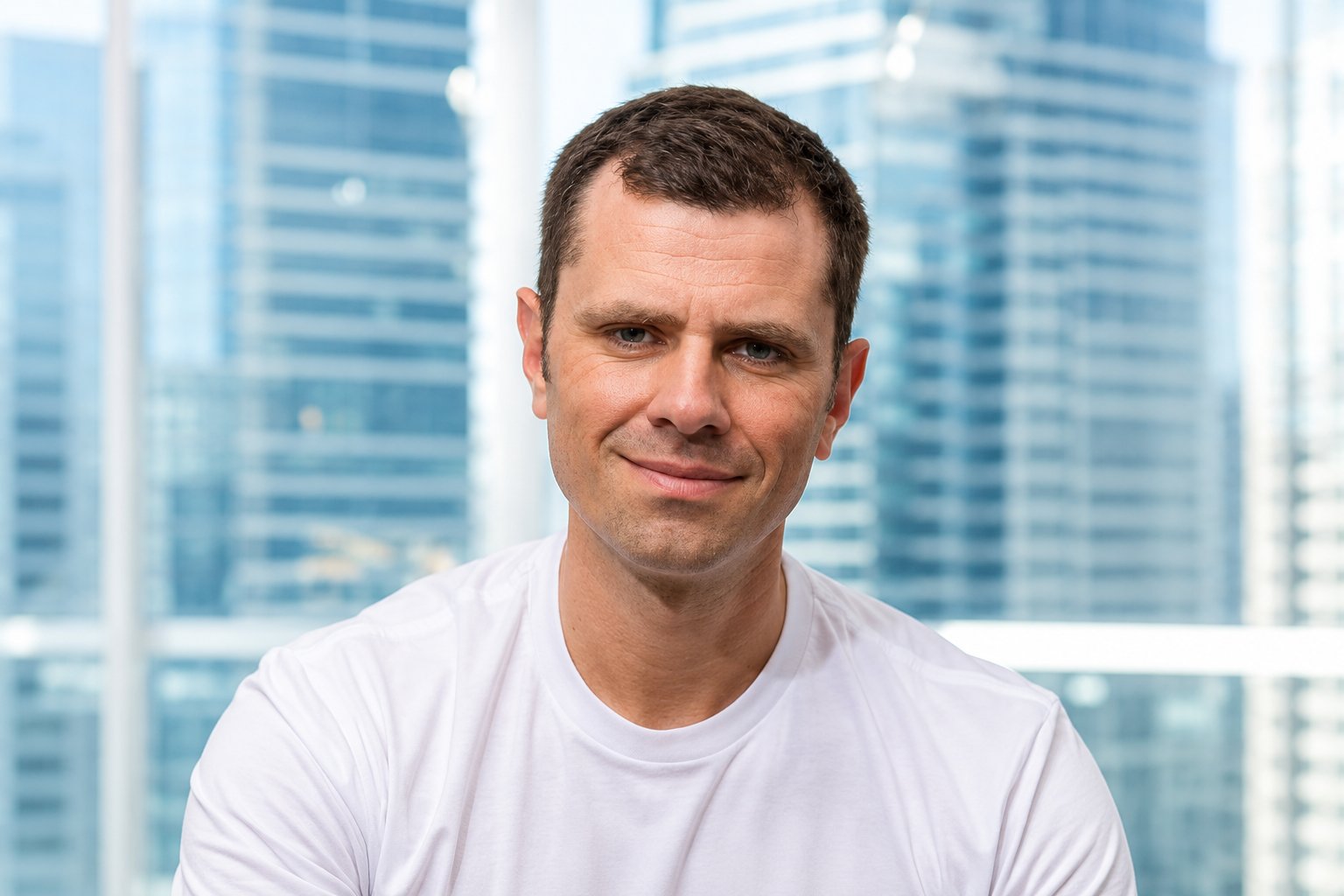
Known for his work in music technology, especially through Tunigo and Spotify, Nick Holmsten has spent much of his career studying how people find music, follow artists, and form emotional connections with culture. With Belong, he is moving that experience into a new space where fandom, fintech, rewards, and artist access meet. The idea is simple but ambitious: fans should not only support the music economy, they should be recognized inside it.
Belong is being built around the financial power of music fandom. It looks at fan loyalty not as a soft idea, but as something that can be connected to identity, spending, rewards, and long-term artist relationships. In a music business where attention is crowded and streaming numbers only tell part of the story, Holmsten’s work points toward a different future, one where superfans become a measurable and valuable part of the artist economy.
Who Is Nick Holmsten
Nick Holmsten is a music and technology entrepreneur with a long history in the digital music space. Before Belong, he built Tunigo, a music discovery and playlist platform that helped listeners find songs through moods, moments, and curated experiences. Tunigo was later acquired by Spotify, giving Holmsten a front-row seat to one of the most important shifts in modern music consumption.
At Spotify, Holmsten became known for his role in shaping playlist culture and music discovery. Playlists changed how millions of people found new artists, followed trends, and built daily listening habits. They also became a major part of how music was marketed, released, and consumed around the world.
That background matters because Belong is not coming from someone outside the music ecosystem. Holmsten has already worked at the intersection of artists, listeners, labels, technology, and product design. His career has followed a clear thread: understanding how fans behave, then building tools around that behavior.
After Spotify, Holmsten also worked in entertainment and live culture through ventures such as TSX Entertainment. That widened his focus beyond streaming and into fan experiences, physical spaces, live moments, and culture-led engagement. Belong now feels like the next step in that journey. Instead of only asking how fans discover music, it asks how fan participation can become part of a stronger financial system.
From Music Discovery to Fan Infrastructure
The first phase of Holmsten’s career was closely tied to discovery. Tunigo and Spotify playlists helped solve a real problem: there was too much music and not enough simple guidance. Listeners needed better ways to find songs that matched their mood, lifestyle, and taste.
That era helped streaming become more personal. A playlist could introduce someone to a new artist during a workout, a commute, a party, or a quiet night at home. Discovery became part of the product. It was no longer only about radio programmers, album reviews, or record store shelves. It became algorithmic, editorial, social, and habit-based.
Belong starts from a different question. Once a fan discovers an artist and begins supporting them, what happens next?
In many cases, the relationship still becomes fragmented. A fan may stream music on one platform, buy tickets through another, follow the artist on social media, purchase merch from a separate store, and join a community somewhere else. The artist may see pieces of that activity, but not the full picture. The fan may show loyalty again and again, but rarely receives meaningful recognition for it.
That is the infrastructure problem Belong appears to be addressing. It is not only about helping artists get discovered. It is about helping them understand who their real supporters are and giving fans a more visible role in the ecosystem they already help power.
What Belong Is Trying to Build
Belong is positioned around the idea that fandom deserves financial infrastructure. In simple terms, it is a fan-focused fintech and FanTech company built to connect fan identity, financial rails, rewards, and artist engagement.
The company is working in a space that blends several worlds at once: music technology, digital payments, loyalty programs, fan communities, creator economy tools, and direct-to-fan experiences. That mix is what makes Belong interesting. It is not only a rewards app and not only a fan club. It is trying to create a system where fan activity can become visible, trackable, and useful.
For fans, that could mean being recognized for their loyalty through rewards, access, offers, or experiences. For artists, it could mean a clearer view of the people who actually drive cultural momentum and spending. For the wider music business, it could become a way to connect existing fan behavior with new revenue opportunities.
The key idea behind Belong is that fan participation already has value. The missing piece is structure. Fans spend money, create attention, influence taste, and build communities. Belong’s goal is to connect that activity with tools that make the value easier to recognize and reward.
The Financial Power of Music Fandom
Music fandom is emotional, but it is also deeply financial.
Fans do not only listen. They spend. They buy concert tickets, VIP packages, festival passes, vinyl, limited-edition merch, digital collectibles, artist memberships, and brand collaborations. Some travel across cities or countries to see an artist live. Others spend hours promoting songs, joining online communities, making edits, posting reactions, and helping artists break through crowded feeds.
The most committed fans often do the work that traditional marketing teams dream of. They create word of mouth, build social proof, and give artists cultural energy before the mainstream catches up. In many cases, superfans are the first people to notice when an artist is becoming important.
Yet the music industry has not always had a clean way to recognize that value. Streaming data can show plays, saves, and monthly listeners, but it does not always show the depth of loyalty behind those numbers. Social media can show engagement, but it can be noisy and shallow. Ticketing and merch platforms can show spending, but that data may sit in separate systems.
Belong’s opportunity sits in the middle of this problem. If fan identity, spending, engagement, and rewards can be connected, then fandom becomes more than scattered activity. It becomes a measurable part of the music economy.
Why Superfans Matter More Than Ever
Superfans have always mattered, but their role has become more visible in the streaming era.
A casual listener may play a song once or twice. A superfan does something different. They save the track, share it, talk about it, buy the merch, join the presale, bring friends to the show, and help create the feeling that an artist is moving. That kind of support cannot be measured only by a stream count.
For emerging artists, superfans can be especially powerful. They help build the first layer of momentum. They show labels, promoters, managers, and brands that there is a real audience behind the music. For established artists, superfans help sustain long-term careers by supporting tours, launches, drops, collaborations, and community-led campaigns.
This is why the superfan economy has become such an important phrase in music and entertainment. The industry is beginning to understand that broad reach is useful, but deep loyalty may be even more valuable. A smaller group of highly engaged fans can sometimes create more business value than a much larger group of passive listeners.
Nick Holmsten’s work with Belong fits directly into this shift. He is building around the belief that fans are not just the end point of music distribution. They are active participants in the value chain.
How Nick Holmsten Is Connecting Fintech With Fan Culture
At first, fintech and music fandom may sound like two separate worlds. One is associated with payments, cards, wallets, compliance, and banking infrastructure. The other is built around emotion, identity, community, and culture.
Belong brings those worlds together.
The idea is that fan behavior already includes financial activity. Fans are constantly making spending decisions tied to the artists, events, and communities they care about. A fan-focused financial layer can take that activity and connect it to rewards, recognition, and artist-linked benefits.
This is where terms like financial rails, digital wallet, Mastercard network, sponsor bank, and Apple Wallet become relevant. They show that Belong is not only talking about fandom as a marketing idea. It is trying to build real infrastructure behind it.
For users, the experience still needs to feel simple. Nobody wants a complicated financial product just because they like an artist. The promise of a platform like Belong is that it can turn everyday fan activity into something more meaningful without making the experience feel heavy or technical.
That is the challenge and the opportunity. If Belong can make financial tools feel natural inside fan culture, it could create a new kind of loyalty system for music.
Why Belong Could Help Artists Build Stronger Fan Relationships
One of the biggest problems for artists today is that they often do not fully own their fan relationships. They may have followers across Spotify, TikTok, Instagram, YouTube, mailing lists, Discord servers, ticketing platforms, and merch stores. Each channel shows part of the picture, but rarely the whole relationship.
That makes it harder to know who the most valuable fans really are.
An artist may have millions of streams but limited direct access to the people listening. Another artist may have a smaller audience but a powerful base of fans who buy every release, attend every show, and bring others into the community. Traditional metrics do not always make that difference clear.
Belong could help artists by making fan loyalty more visible. If an artist can understand who is spending, engaging, sharing, and showing up, they can build more personal experiences around those people. That might include early access to tickets, special merch, private events, exclusive content, partner rewards, or recognition inside the fan community.
For artists, this is not only about money. It is also about control. Direct-to-fan relationships give artists more independence and better insight. They can learn what their audience values and build offers that feel more personal than generic marketing campaigns.
Why Fans May Care About Belong
Fans care about music because it feels personal. It becomes part of identity, memory, friendship, lifestyle, and community. That is why a platform built around fandom cannot only focus on transactions. It has to make fans feel seen.
Belong’s appeal depends on whether fans feel that their loyalty is being recognized in a way that matters. Rewards should not feel empty. Access should not feel random. The experience should make fans feel closer to the artists and communities they already support.
A strong fan rewards system could give people reasons to engage more deeply. That might include benefits connected to tickets, merch, artist drops, live events, digital experiences, or partner offers. It could also create a stronger sense of belonging, which is important because fandom is often about more than the artist. It is also about being part of a group that cares together.
For younger fans especially, identity and culture are closely linked. Music taste is not just entertainment. It is a signal of who they are, what they value, and where they feel connected. Belong is trying to build around that emotional truth while adding a financial layer underneath it.
Nick Holmsten’s Achievement in Building Across Music, Tech, and Culture
Nick Holmsten’s achievement is not simply that he moved from Spotify to another startup. The more interesting part is how consistent his career has been.
With Tunigo, he worked on music discovery before playlists became one of the central ways people consumed music. At Spotify, he helped shape a system where playlists became product infrastructure, marketing infrastructure, and cultural infrastructure at the same time. With TSX Entertainment, he moved into live entertainment and public cultural moments. With Belong, he is now focused on the financial and identity layer behind fandom.
That pattern shows an ability to spot where music behavior is heading next.
The music industry is full of platforms that measure attention. Belong is aimed at something deeper: participation. Holmsten seems to be building around the idea that the next phase of music will not only be about who listens, but who supports, spends, shares, travels, joins, and helps artists grow.
This is why Belong feels connected to his earlier work rather than separate from it. Playlists helped organize discovery. Belong is trying to organize loyalty.
Belong and the Rise of the FanTech Category
FanTech is still an emerging category, but it is becoming easier to understand. It refers to technology built around fan identity, fan engagement, fan access, community value, and monetization.
Traditional music technology often focuses on distribution, streaming, rights, analytics, or marketing. FanTech focuses more directly on the relationship between fans and the value they create. It asks how artists can build stronger communities, how fans can receive more recognition, and how cultural participation can become part of a working business model.
Belong sits inside this category because it connects fandom with financial tools. It is not only helping fans follow artists. It is trying to connect loyalty with rewards and spending behavior.
This matters because the creator economy has already trained audiences to support people directly. Fans subscribe to creators, buy drops, join communities, pay for exclusive content, and expect closer relationships with the people they admire. Music is moving in the same direction, but the infrastructure is still catching up.
Belong’s bigger bet is that artists and fans need better tools for this new environment. If the attention economy was about views, streams, and followers, the engagement economy is about action, loyalty, and participation.
The Challenge Belong Will Need to Solve
Belong has a strong idea, but the space will not be easy.
Financial products require trust. If fans are going to connect their identity, spending, and rewards to a platform, they need to feel safe. That means Belong has to handle compliance, partnerships, product design, and user experience with care.
The company also needs artists and industry partners to see real value. Artists are already dealing with many tools, from social platforms to ticketing dashboards to merch stores and fan communities. Belong will need to prove that it does not add noise, but helps simplify the relationship between artists and their most loyal supporters.
Rewards also need to feel meaningful. Fans can quickly tell the difference between a real benefit and a shallow marketing perk. If Belong can help create rewards that feel tied to actual fan identity and artist connection, the platform has a better chance of standing out.
There is also competition from existing fan platforms, payment tools, loyalty programs, and creator economy products. Belong will need to show why music fandom deserves its own financial infrastructure instead of being treated like a generic rewards category.
These challenges are normal for a company trying to build a new category. They also make Holmsten’s experience more relevant. Building between music, technology, finance, and culture requires more than a good idea. It requires relationships, product discipline, and a clear understanding of how fans actually behave.
What Nick Holmsten’s Work With Belong Says About the Future of Music
Nick Holmsten’s work with Belong reflects a larger shift in the music business. For years, the industry focused heavily on distribution and discovery. The big question was how to get songs in front of more people. Streaming solved part of that problem, but it created new ones.
Artists can reach global audiences faster than ever, but attention is harder to hold. Fans can find endless music, but the relationship often feels less direct. Platforms can measure plays and followers, but they do not always capture commitment.
Belong is built around the belief that the next phase of music will depend on deeper fan participation. Fans are not just listeners. They are communities, cultural signals, marketers, buyers, early adopters, and economic engines. When that activity becomes more visible, artists can build stronger businesses around the people who care most.
That is the financial power of music fandom. It is not only the money fans spend, but the trust, identity, attention, and community they bring with it.
Nick Holmsten has already helped shape how people discover music. With Belong, he is now working on how fans can be recognized for the value they create after discovery happens. If Belong succeeds, it could help move the music industry from passive listening metrics toward a more direct, rewarding, and fan-powered model.