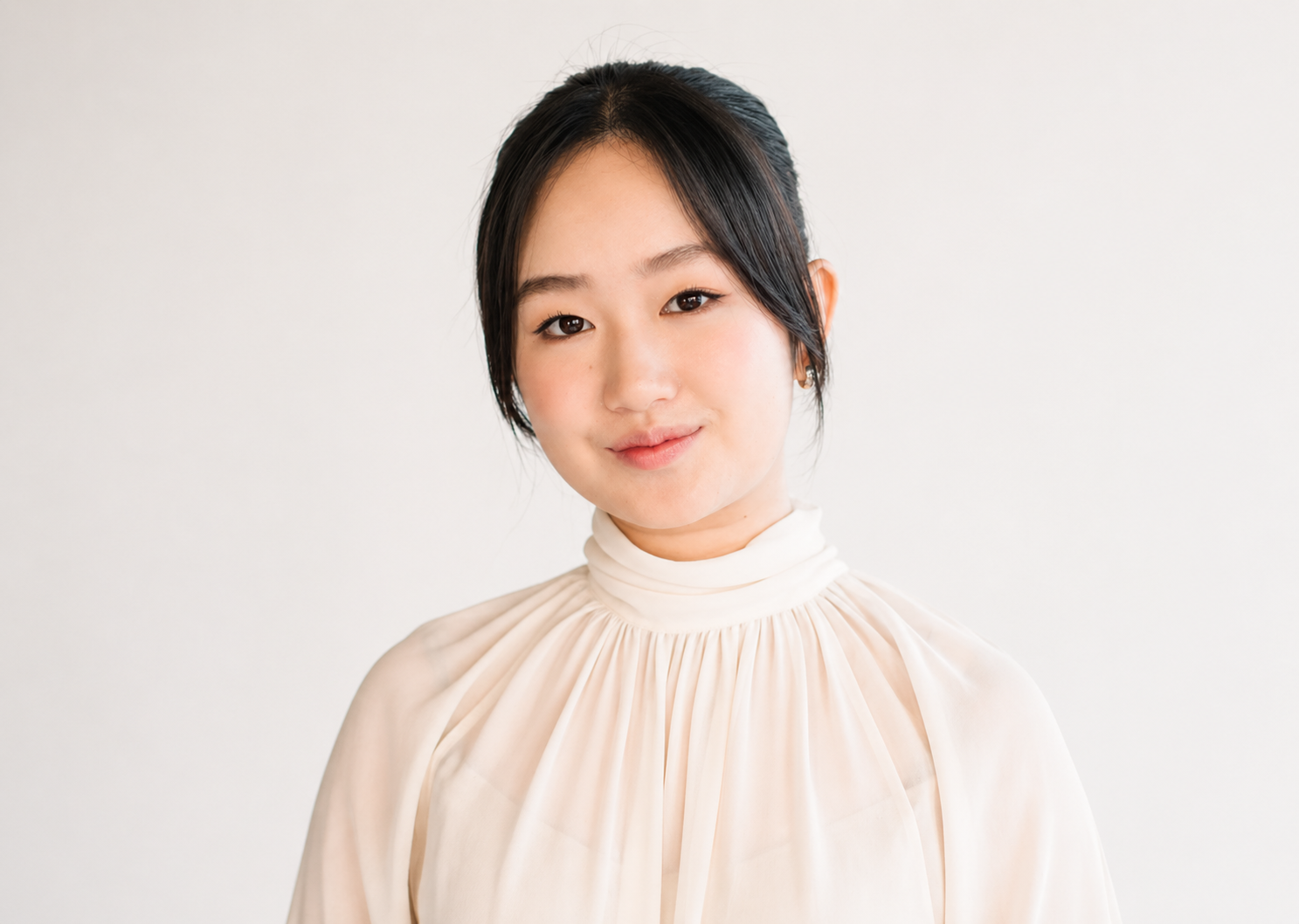
Women are used to tracking a lot of things about their health. Sleep, heart rate, steps, calories, workouts, cycle dates, and stress levels are now part of everyday wellness apps and wearable devices. But one of the most important parts of women’s health is still difficult to track in a simple, regular, and useful way: hormones.
That is the gap Jenny Duan is trying to close through Clair Health. As the co-founder and CEO of the company, Jenny Duan is building a new kind of women’s health technology focused on continuous hormone monitoring. The idea is simple to understand but difficult to build. Instead of forcing women to rely only on occasional lab tests, blood draws, urine strips, or scattered symptoms, Clair Health is working toward a wearable approach that can help women understand hormone patterns over time.
This matters because hormones are not just connected to fertility. They can affect mood, energy, sleep, skin, cycle health, athletic performance, recovery, and the changes women go through during perimenopause and menopause. Yet for many women, hormone health still feels like guesswork. Jenny Duan’s work with Clair Health is important because it aims to make hormone tracking easier, less invasive, and more connected to daily life.
Who Is Jenny Duan
Jenny Duan is the co-founder and CEO of Clair Health, a women’s health startup focused on hormone tracking and wearable technology. Her work sits at the intersection of femtech, consumer health, biosensors, and personalized health data.
What makes her story interesting is not only that she is building a health tech product. It is that she is working on a problem many women recognize but few products have solved well. Women often feel changes in their bodies before they can explain them with data. A cycle may feel different, energy may drop, skin may change, sleep may shift, mood may become unpredictable, or fertility planning may feel confusing. Traditional healthcare often gives answers only after symptoms become serious enough to investigate.
Jenny Duan is building Clair Health around a different idea. Instead of treating hormone data as something women access only in clinics or during fertility treatment, Clair Health is trying to make it part of everyday body awareness. That shift is what makes her work stand out in the growing world of women’s health innovation.
The Problem Jenny Duan Is Trying to Solve
For a long time, hormone testing has been inconvenient for the average person. Many women only get hormone data through blood work ordered by a doctor, fertility clinic testing, at-home urine testing, or one-time lab results. These methods can be helpful, but they do not always show the full picture.
Hormones change constantly. A single reading may capture one moment, but it does not always explain what is happening across an entire cycle or over several months. For women dealing with fertility questions, irregular cycles, perimenopause symptoms, mood changes, or unexplained fatigue, that lack of ongoing data can be frustrating.
This is where Clair Health enters the conversation. Jenny Duan and her team are working on a product that could make hormone tracking more continuous and less disruptive. The goal is not to overwhelm women with raw numbers. The bigger goal is to turn hormone signals into useful insights that people can actually understand and act on.
That is an important difference. Health data is only valuable when it makes life clearer. A wearable hormone tracker should not feel like another confusing dashboard. It should help women notice patterns, connect changes to real body signals, and have more informed conversations about their health.
What Clair Health Is Building
Clair Health is developing a non-invasive continuous hormone monitoring wearable for women. In simple terms, the company wants to bring hormone tracking closer to the kind of everyday monitoring people already expect from wearable devices.
Today, many people can check their sleep score, heart rate variability, blood oxygen levels, and activity data from a smartwatch or wearable ring. But hormone health has not yet become that accessible. Clair Health is trying to change that by creating technology that can track hormone-related patterns without requiring constant lab appointments or invasive testing.
The company’s work focuses on making hormone data easier to collect and easier to understand. This could be especially useful for women who want better insight into ovulation, menstrual cycle patterns, fertility windows, mood changes, skin health, athletic performance, and perimenopause.
The key word here is patterns. Hormone health is not only about one number on one day. It is about how hormones rise, fall, and interact over time. If Clair Health can make those patterns easier to see, it could give women a stronger sense of what is normal for their own bodies.
Why Hormone Tracking Matters for Women’s Health
Hormone tracking is often discussed through the lens of fertility, but it reaches much further than that. Hormones are part of daily health, not just reproductive planning. Estrogen, progesterone, luteinizing hormone, and other hormone signals can influence how women feel, train, recover, sleep, and move through different life stages.
For fertility and cycle awareness, hormone tracking can help women understand ovulation timing and cycle changes with more detail. Many cycle apps estimate fertile windows based on calendar data, but calendars alone do not always reflect what is happening inside the body. Better hormone insights could make cycle awareness more personal and less dependent on averages.
Mood and energy are also major parts of the conversation. Many women notice emotional shifts, fatigue, changes in focus, or motivation dips at different points in their cycle. These experiences are often real, but without data, they can be hard to explain. Continuous hormone monitoring could help women connect daily changes with broader hormone patterns.
Perimenopause and menopause are another important area. Many women enter perimenopause without clear guidance. Symptoms can appear gradually and may include sleep disruption, mood changes, hot flashes, cycle changes, brain fog, and changes in energy. A better way to understand hormone shifts during this stage could help women feel less confused and more prepared.
Athletic performance is also connected to hormone health. Training, recovery, strength, endurance, and injury risk can all be affected by cycle phases and hormonal changes. For active women and athletes, hormone insights could eventually support smarter training decisions and better recovery planning.
Skin health and general wellness are part of the picture too. Hormonal shifts can play a role in acne, inflammation, water retention, and other body signals. A clearer understanding of hormone patterns could help women notice what may be driving these changes instead of guessing.
How Jenny Duan Is Making Hormone Data More Accessible
The most interesting part of Jenny Duan’s work is accessibility. Hormone science can feel complex, clinical, and out of reach. Clair Health is trying to turn that complexity into something women can use in ordinary life.
That requires more than building a sensor. It means designing a product that understands how women actually live. A hormone tracker has to be comfortable enough to use, simple enough to understand, and trustworthy enough to matter. It also has to translate data into insight without making users feel like they need a medical degree.
Jenny Duan’s achievement with Clair Health is tied to this practical vision. She is not just building around technology for the sake of technology. She is building around a real problem in women’s healthcare: the lack of clear, continuous, and personal hormone information.
For many women, the current experience is reactive. They search symptoms online, track their cycle manually, take occasional tests, and try to connect dots on their own. Clair Health is working toward a more proactive model, where women can understand their bodies earlier and with more context.
That shift from guesswork to clarity is where the company’s value sits.
Why Clair Health Fits Into the Future of Femtech
The rise of femtech has created more room for companies focused specifically on women’s health needs. For years, health technology often treated women as a smaller version of a general user. Products were built for broad wellness and only later adapted to female biology.
Clair Health is part of a newer wave of companies starting from women’s bodies, women’s symptoms, and women’s data gaps. This matters because women’s health is not a niche category. It touches fertility, reproductive health, metabolic health, mental well-being, aging, performance, and preventive care.
Wearable technology is also becoming more personalized. People no longer want devices that only count steps. They want insights that help them understand why their body feels different from one day to the next. Hormone intelligence fits naturally into that future.
For Clair Health, the opportunity is not only to build another wearable device. The opportunity is to create a new layer of health data that women have not been able to access easily before. If the company succeeds, hormone tracking could become a normal part of personal health monitoring, just like sleep tracking and heart rate tracking are today.
The Role of Stanford and Startup Innovation in Clair Health’s Growth
Clair Health’s Stanford-founded background gives the company an important starting point. Building a continuous hormone monitor is not a simple consumer app project. It requires technical thinking, scientific discipline, product design, and a strong understanding of women’s health needs.
Jenny Duan’s work with co-founder Abhinav Agarwal reflects how university ecosystems can support early health technology companies. Stanford has long been connected to startup creation, engineering talent, research culture, and investor attention. For a company like Clair Health, that environment can help turn a difficult idea into a serious product.
But the real test for any health tech startup is not where it started. It is whether the product can earn trust. In women’s health, trust matters deeply. Users need to feel that their data is handled carefully, that the insights are meaningful, and that the product is built with respect for real health concerns.
This is where Jenny Duan’s leadership becomes important. Clair Health has to balance ambition with responsibility. The company is working in a space where the promise is exciting, but the execution must be careful.
What Makes Clair Health Different From Traditional Hormone Testing
Traditional hormone testing usually happens in specific moments. A doctor may order a blood test. A fertility clinic may run hormone panels. A person may use urine tests to track ovulation. Some people may use saliva testing or at-home kits. These tools can be useful, but they often give limited snapshots.
Clair Health is trying to move toward something more continuous. Instead of asking women to collect scattered pieces of information, the company is building around the idea of tracking hormone patterns over time.
That difference matters because the body is dynamic. Hormones do not stay still. They change during the menstrual cycle, during pregnancy and postpartum, during perimenopause, during stress, and across different health conditions. Seeing change over time can be more useful than only seeing one isolated result.
A wearable hormone tracker could also make the experience less intimidating. Many women avoid testing because it feels expensive, inconvenient, or disconnected from daily life. A non-invasive approach could lower that barrier and make hormone awareness easier to maintain.
It is important to be clear that technology like this is not about replacing doctors. The stronger idea is that better personal data can support better conversations. If women have clearer hormone patterns, they may be able to speak with healthcare providers from a more informed place.
Jenny Duan’s Leadership Style and Founder Vision
Jenny Duan’s work stands out because it brings together technical ambition and a very human problem. Hormone health can be emotional, confusing, and personal. Building in this space requires empathy as much as engineering.
As the CEO of Clair Health, Jenny Duan is shaping a company around the belief that women deserve better access to information about their own bodies. That sounds simple, but it challenges a long history of women’s symptoms being dismissed, minimized, or treated as too complex to measure clearly.
Her founder vision appears to be centered on making hormone data more practical. Not just more advanced. Not just more scientific. More useful. The best health technology does not make people feel buried in data. It helps them understand themselves with less stress and more confidence.
That is why Clair Health has the potential to connect with women beyond the usual health tech audience. A product like this could matter to someone trying to conceive, someone managing cycle-related mood shifts, someone training for performance, someone entering perimenopause, or someone simply trying to understand why her body feels different.
Jenny Duan’s success will depend on how well Clair Health can turn a complex biological system into insights that feel personal, clear, and trustworthy.
The Bigger Impact Clair Health Could Have
If Clair Health succeeds, its impact could go beyond one product. It could help change expectations around women’s health data.
For years, women have been expected to track symptoms manually and explain patterns from memory. They have been told to wait until problems become obvious. They have often had to push for testing or search for answers on their own. Continuous hormone monitoring could support a more informed and proactive approach.
It could also help normalize conversations around hormones. Many women grow up hearing about hormones only in narrow ways, usually connected to periods, pregnancy, or menopause. In reality, hormones are part of everyday health. Making them easier to understand could reduce confusion and help women feel more connected to their own bodies.
Clair Health also represents a broader shift in wearable technology. The next generation of wearables will likely move beyond surface-level metrics. Steps and calories are useful, but deeper biomarkers can tell a more personal story. Hormone tracking could become one of the most important parts of that next wave.
For Jenny Duan, the achievement is not only building a startup in a fast-growing category. It is building toward a future where women have access to clearer, more continuous, and more useful health information. That is the kind of work that can push femtech forward and give women better tools for understanding their bodies.