Venture capital has always had a gatekeeping problem.
For years, the same kinds of founders kept getting the same kinds of meetings, the same kinds of checks, and the same benefit of the doubt. If you looked like what investors expected, talked like them, and moved in the right circles, you were already halfway through the door. If you did not, getting noticed was harder before anyone even looked at your business.
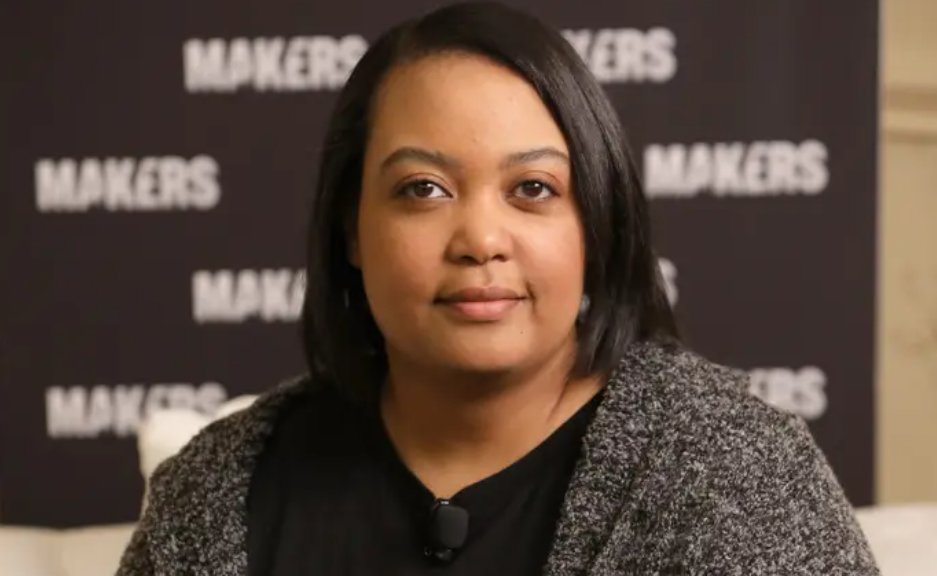
That is what makes Arlan Hamilton’s story stand out.
She did not come from the usual venture capital pipeline. She did not have a polished path into Silicon Valley. She did not arrive with a wealthy network, an Ivy League label, or a built-in seat at the table. What she had instead was a sharp eye for opportunity, a deep understanding of what gets overlooked, and the nerve to build something in an industry that was not exactly waiting for her.
That something became Backstage Capital.
And Backstage Capital was not just another fund with a clever message. It became proof that a different investing lens could uncover real founders, real businesses, and real momentum. Arlan Hamilton did more than start a venture firm. She helped force a bigger conversation about who gets funded, who gets ignored, and who has been underestimated for far too long.
Who Is Arlan Hamilton?
Arlan Hamilton is an investor, founder, author, and one of the most recognizable voices in the conversation around inclusive entrepreneurship. But that description only tells part of the story. What really made her stand out was the way she entered venture capital from the outside and refused to act like that was a weakness.
Before she became known for investing, Arlan built her career in spaces that were far removed from traditional finance. She learned how to navigate people, spot talent, and move with hustle long before most investors knew her name. When she discovered venture capital, she saw something immediately: the industry was full of blind spots. The same founders kept getting attention, while talented people outside the usual mold were often treated as if they were risky by default.
Instead of accepting that pattern, she built her work around challenging it.
That outsider perspective became her advantage. She was not trying to copy the way old-school firms operated. She was trying to fix what they kept missing.
The Early Struggles That Shaped Her Perspective
A big reason Arlan Hamilton’s story connects with so many people is that it does not sound like a cleaned-up success script. It feels real.
She has spoken openly about experiencing homelessness while building her venture career. That part of her story matters, not because it makes the narrative more dramatic, but because it explains the level of urgency and conviction behind Backstage Capital. This was never just about joining an industry. It was about changing who gets seen as worthy inside it.
People often talk about resilience as if it is a nice personality trait. In Arlan’s case, it was closer to a working tool. She kept learning, kept networking, kept pitching, and kept building even when her circumstances would have caused most people to step away. That kind of pressure can break a person, but it can also sharpen the way they see systems.
Arlan saw very clearly that lack of access was being mistaken for lack of talent. She understood what it meant to be underestimated, and that gave her a perspective many investors simply did not have.
That is one of the biggest reasons her story feels bigger than venture capital. It is about what happens when someone who has lived on the outside decides to build a platform that opens doors for others.
How Backstage Capital Started With a Different Bet
Backstage Capital was built on a simple idea that felt radical because venture capital had ignored it for so long: underestimated founders are not a side market. They are one of the biggest missed opportunities in startup investing.
From the beginning, the firm focused on founders who identify as women, people of color, and LGBTQ+ entrepreneurs. That focus gave Backstage Capital a clear point of view in a business that often hides behind vague language about merit while quietly rewarding familiarity.
Arlan was not positioning this as charity, and that distinction matters. The firm’s message was never that underrepresented founders deserved attention out of goodwill. The message was that investors were overlooking high-potential companies because their pattern matching was too narrow.
That framing changed everything.
It shifted the conversation from sympathy to opportunity. It asked investors to confront the fact that they were not just excluding people. They were also missing deals.
In that sense, Backstage Capital was not only a venture firm. It was a direct challenge to the industry’s default assumptions.
Backing Founders Traditional VC Often Ignored
The clearest way to understand Backstage Capital’s impact is to look at the founders it chose to back.
For a long time, startup culture loved to talk about disruption while staying surprisingly conventional about who got funded. Founders from underrepresented backgrounds were often told to build more traction, prove more, explain more, and wait longer. Meanwhile, others were getting early confidence based on potential alone.
Backstage Capital was built to interrupt that cycle.
Arlan Hamilton saw a market filled with strong founders who were not lacking ambition, intelligence, or business instinct. What many of them lacked was access to the same rooms and assumptions that made fundraising easier for everyone else. Backstage stepped into that gap with a thesis that felt obvious once someone finally said it out loud.
That is a big part of why Arlan became such a powerful voice in startup media and investor circles. She gave language to something founders had felt for years. Many were not failing because they lacked ability. They were being overlooked by systems that were never designed to notice them quickly.
By consistently backing underestimated founders, Backstage Capital built a reputation that was bigger than branding. It stood for a real investing position.
The Growth of Backstage Capital and What It Proved
One reason Arlan Hamilton’s story has lasted is that it did not stay at the level of inspiration. Backstage Capital grew into something tangible.
The firm built a portfolio that showed there was substance behind the mission. That matters because a lot of people are comfortable with a strong message until they have to back it with capital, decisions, and long-term execution. Arlan did that work in public.
As Backstage Capital expanded, it helped prove a point that many people in venture had been too slow to accept. Underestimated founders were not a niche category. They were a massive source of innovation, and the market had been slow to recognize it.
The growth of the firm also gave Arlan something equally important: credibility in rooms that had once dismissed her. And she did not build that credibility by becoming a watered-down version of what the industry expected. She built it by staying sharp, visible, and relentlessly focused on the gap she knew existed.
That consistency is a huge part of the achievement here. Plenty of people can get attention for an idea. Much fewer can keep building until the idea becomes a respected platform.
Arlan Hamilton as More Than an Investor
Another reason Arlan Hamilton changed the investing conversation is that she did not limit herself to one lane.
She became more than the founder of a venture capital firm. She became a public voice around entrepreneurship, wealth-building, access, and representation. Her books, speaking work, interviews, and podcast presence helped move her ideas far beyond traditional investor circles.
That wider visibility mattered.
Venture capital often sounds distant to people who are actually trying to build businesses. It can feel like a closed loop of jargon, status, and inside references. Arlan brought a different tone. She talked about entrepreneurship in a way that felt direct, human, and relevant to people who had never seen themselves reflected in the startup world.
Her public platform helped widen the audience for conversations that would otherwise stay trapped inside industry events and private investor networks. She made the topic more accessible without making it smaller.
That is one of her most underrated achievements. She did not only fund founders. She also gave countless people a new way to imagine themselves as investors, builders, and owners.
Changing the Investing Conversation
The phrase “changed the investing conversation” can sound vague unless you pin down what actually changed.
In Arlan Hamilton’s case, the shift was both cultural and practical.
Culturally, she challenged the idea that the best founders always look familiar to investors. She pushed back against lazy pattern matching and exposed how often it reflects bias dressed up as instinct. That gave people a sharper way to talk about the funding gap.
Practically, she built a firm around the opposite belief and showed that this was not just theory. It was an investment strategy.
That combination made her hard to ignore.
She was not standing on the sidelines criticizing venture capital without taking risk herself. She was raising money, building a portfolio, and making the case with actual businesses behind her. That matters because it turned the conversation from opinion into evidence.
She also helped popularize the language of the underestimated founder. That phrase has power because it shifts the focus away from deficiency and toward missed recognition. It reminds people that talent is often already there. The market just has not valued it properly yet.
Once that idea took hold, it became harder for the industry to pretend the problem was a weak pipeline. The real problem was often a weak lens.
What Made Her Success Different
There are a lot of founder stories that get attention because they are unusual. Arlan Hamilton’s story lasted because it also changed behavior.
Her success was different because it was built on conviction before consensus. She did not wait for the market to validate her view before acting on it. She believed there was real opportunity in overlooked founders, and she built Backstage Capital around that thesis while many people still treated it as a niche idea.
She also built her reputation without trying to hide the parts of her story that made her seem nontraditional. In fact, those parts became central to her voice. She made it clear that not fitting the mold did not make her less capable. It gave her a better read on what the mold was missing.
That gave her brand real depth.
Arlan Hamilton came to represent more than one firm or one portfolio. She became a symbol of what it looks like to build power without first being welcomed by power. That is a big reason her name still carries weight across conversations about startups, investing, and entrepreneurship.
Lessons Founders and Investors Can Take From Her Story
Founders can learn a lot from Arlan Hamilton’s rise, especially if they have ever felt like they were building without the usual advantages.
One lesson is that being underestimated can become a strategic edge. When people overlook you, they also leave room for you to build differently, speak differently, and create your own category. Arlan did that with remarkable clarity.
Another lesson is that a strong point of view matters. Backstage Capital did not stand out because it tried to be everything to everyone. It stood out because it knew exactly what it believed and kept proving that belief through action.
Investors can take something equally important from her story. If your definition of a promising founder is too narrow, you are not being disciplined. You are probably missing the market. Great investment opportunities do not disappear because they lack quality. Sometimes they disappear because the people making decisions are trained to trust familiarity more than insight.
Arlan Hamilton’s work keeps pushing against that habit.
The Lasting Impact of Arlan Hamilton and Backstage Capital
Arlan Hamilton’s rise matters because it changed expectations.
She showed that an outsider could build influence in one of the most closed-off corners of business. She showed that underrepresented founders were never the issue. The issue was who had been trusted, funded, and heard for decades without enough challenge. And she showed that mission and performance do not have to compete with each other when the thesis is strong.
Backstage Capital helped move inclusive investing out of the margins and into the mainstream startup conversation. Even people who never worked with the firm have had to respond to the questions it forced into the open.
That is the real achievement behind Arlan Hamilton and Backstage Capital.
She did not just enter venture capital as an outsider. She changed the way people inside it talk about opportunity, access, and who gets to be seen as the future.