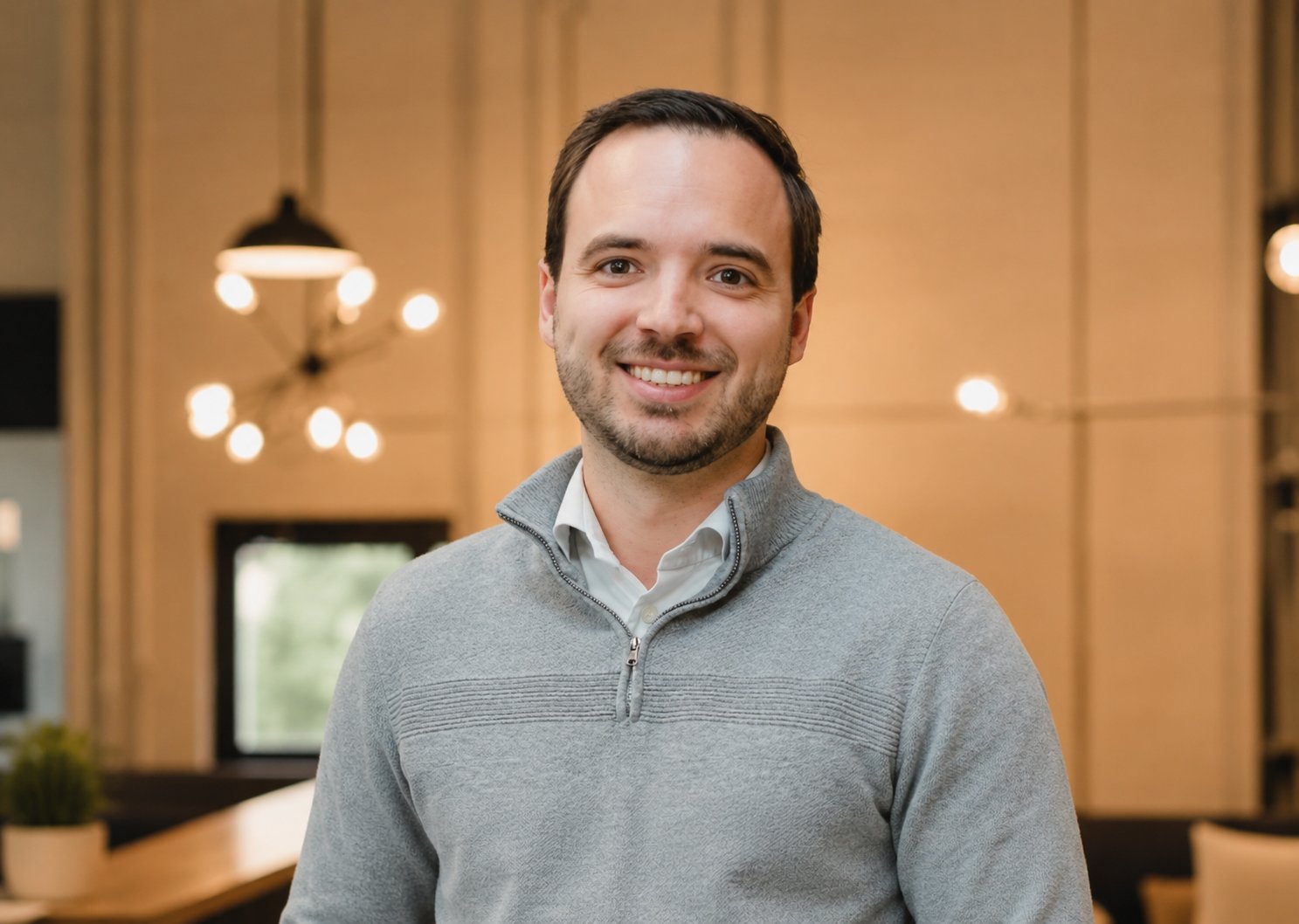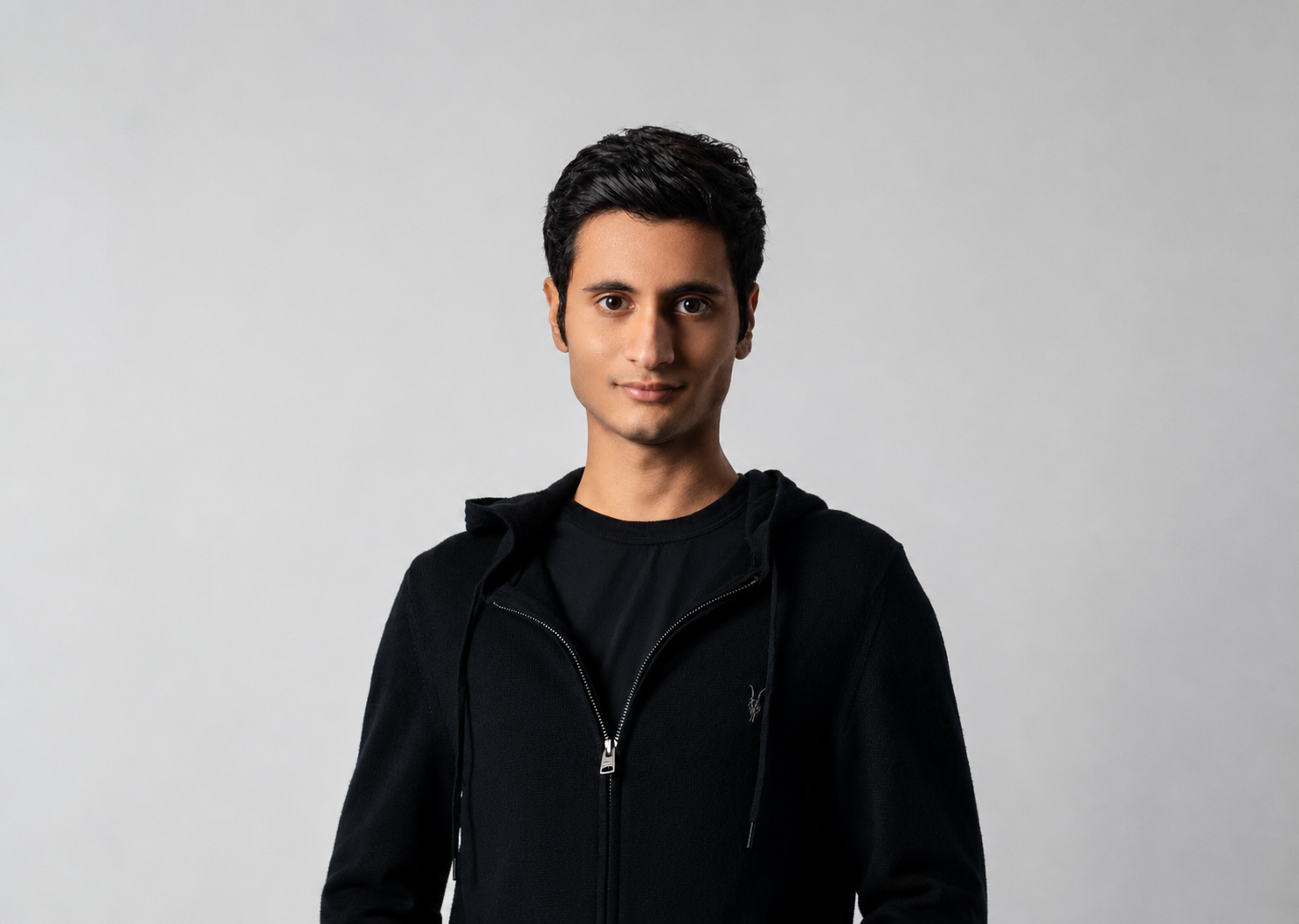
In wealth management, personalization has always sounded simple in theory and difficult in practice. Every client has different goals, risk comfort, tax situations, timelines, values, and financial habits. A good advisor can understand those details through real conversations, but turning that understanding into a portfolio that is both personal and manageable at scale is much harder.
That is the problem Samir Vasavada set out to solve through Vise, the AI-powered investment management company he co-founded with Runik Mehrotra. Instead of building another tool that takes advisors out of the picture, Vise is designed around the idea that technology should help financial advisors do more of their best work. The platform supports portfolio construction, management, and ongoing intelligence so advisors can spend less time on repetitive investment tasks and more time guiding their clients.
For Vasavada, Vise is not just a fintech startup built around a trend. It comes from a long-running interest in applied artificial intelligence and a belief that wealth management can become more personal, more efficient, and more accessible when advisors have better tools behind them.
Who is Samir Vasavada
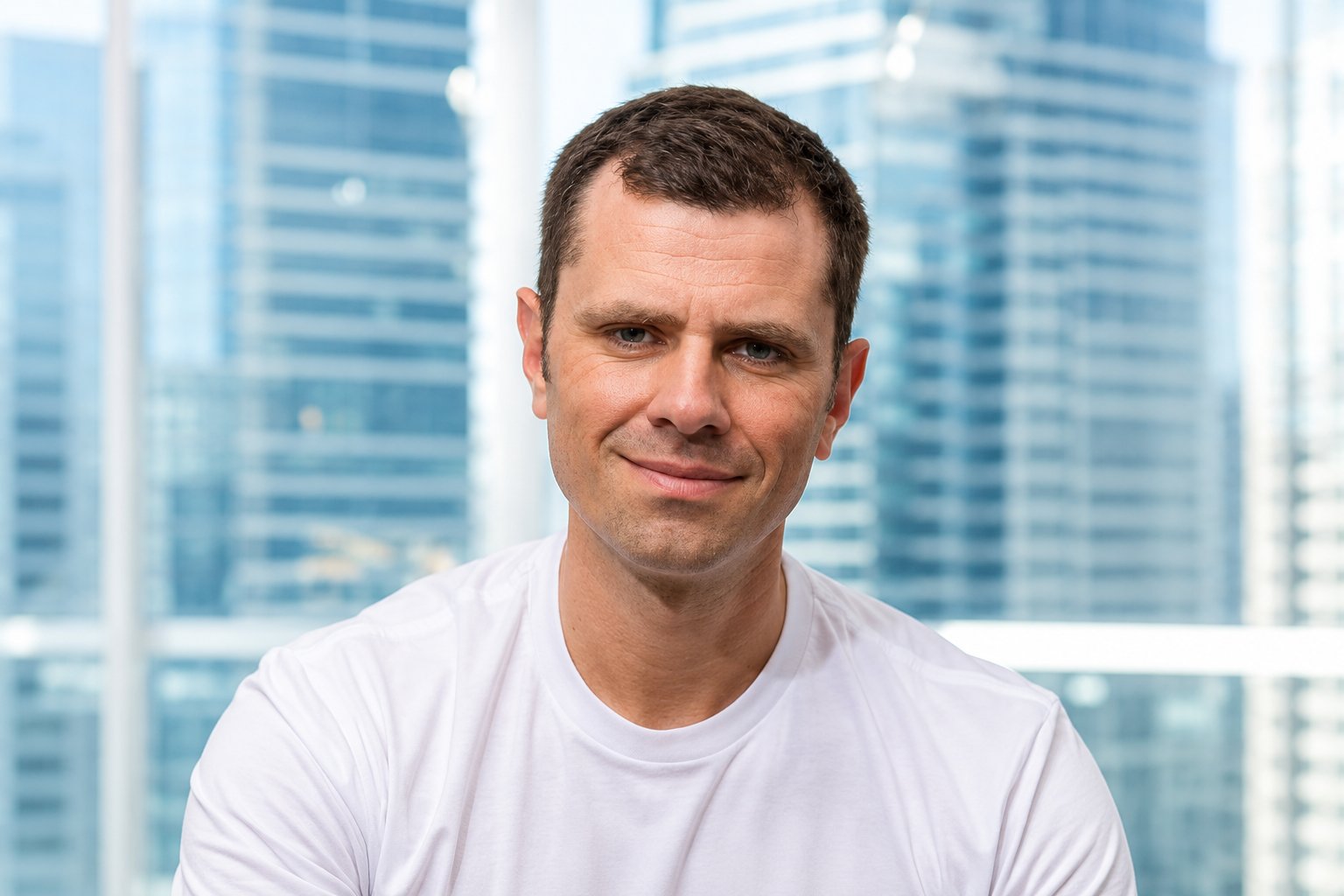
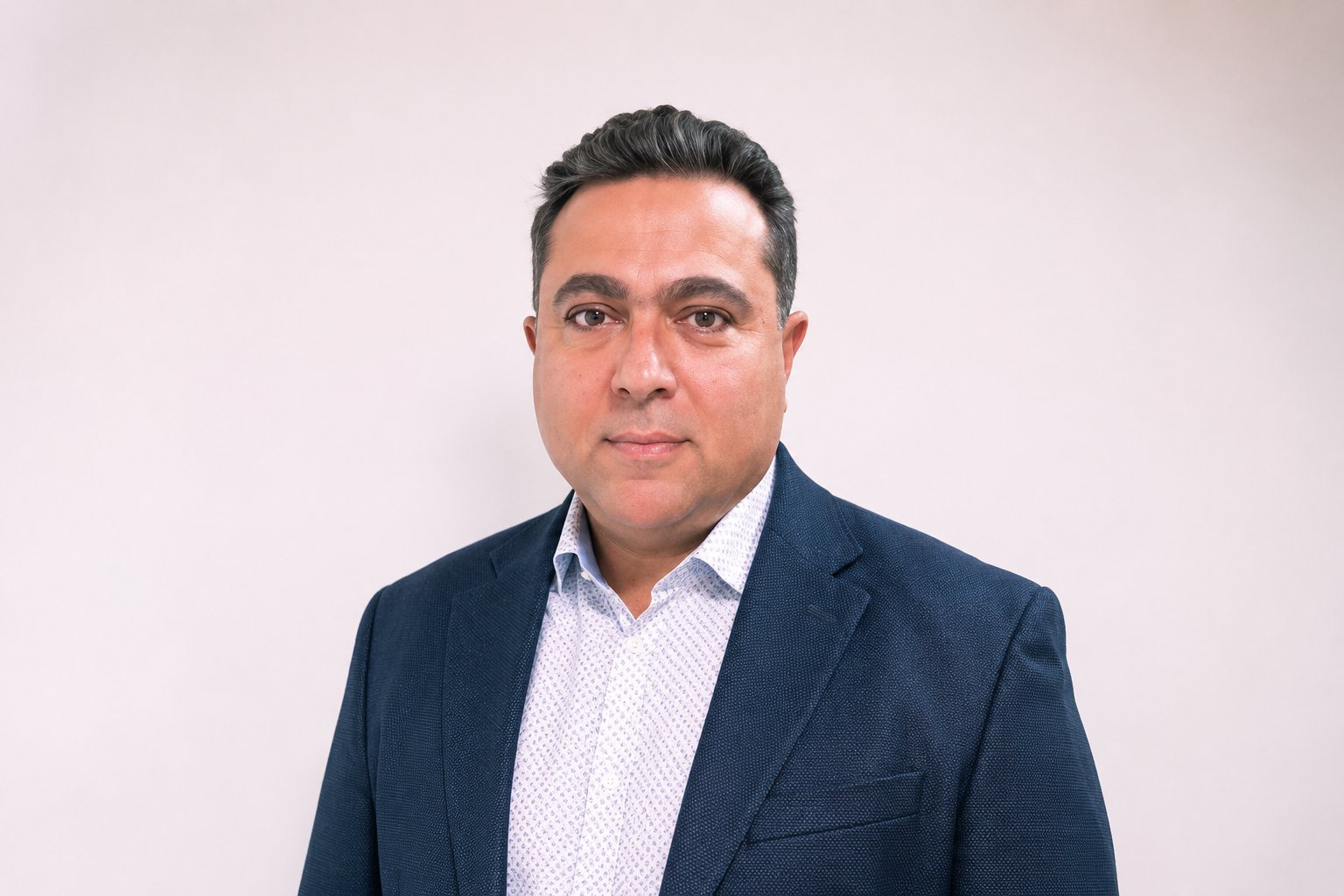
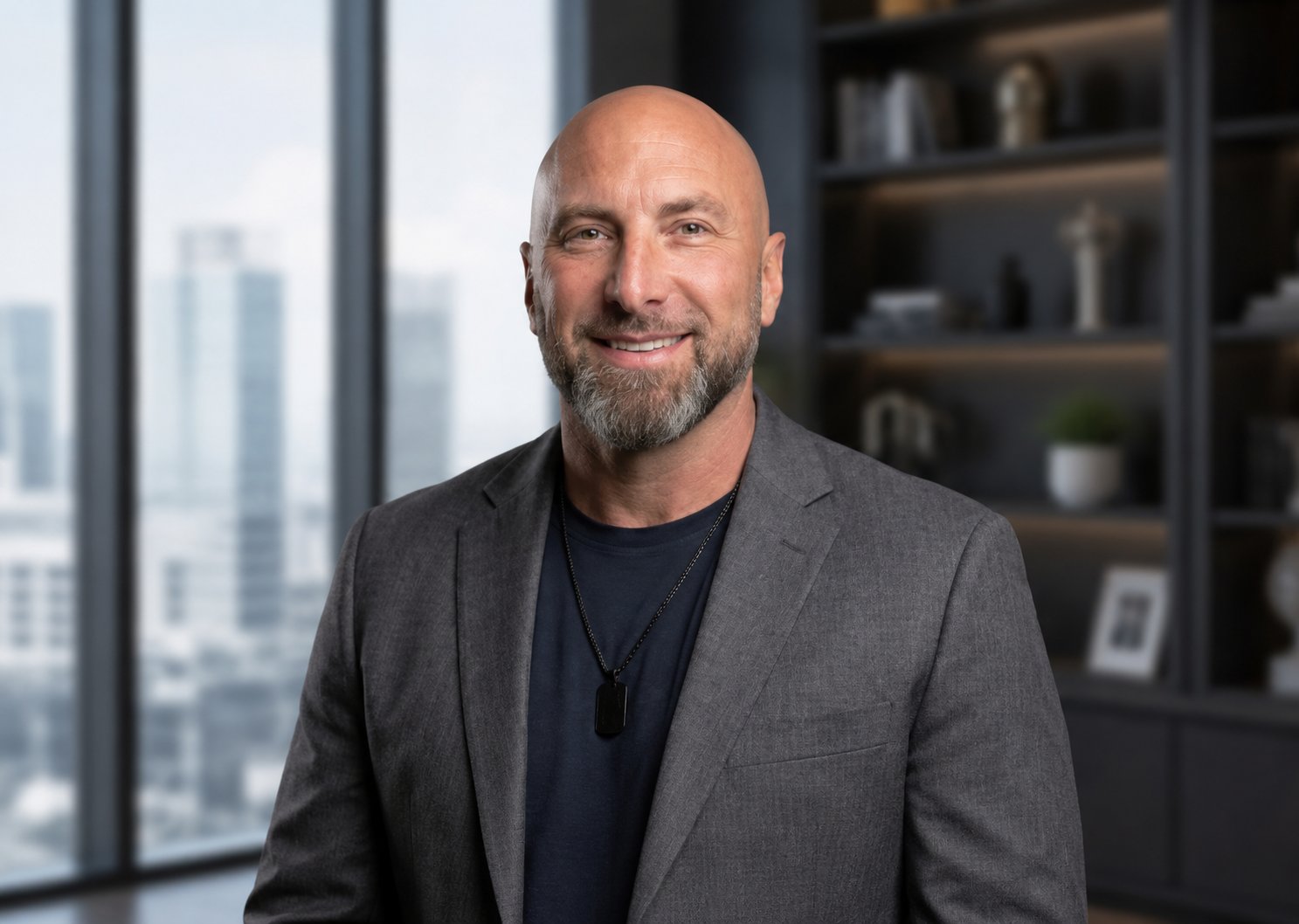
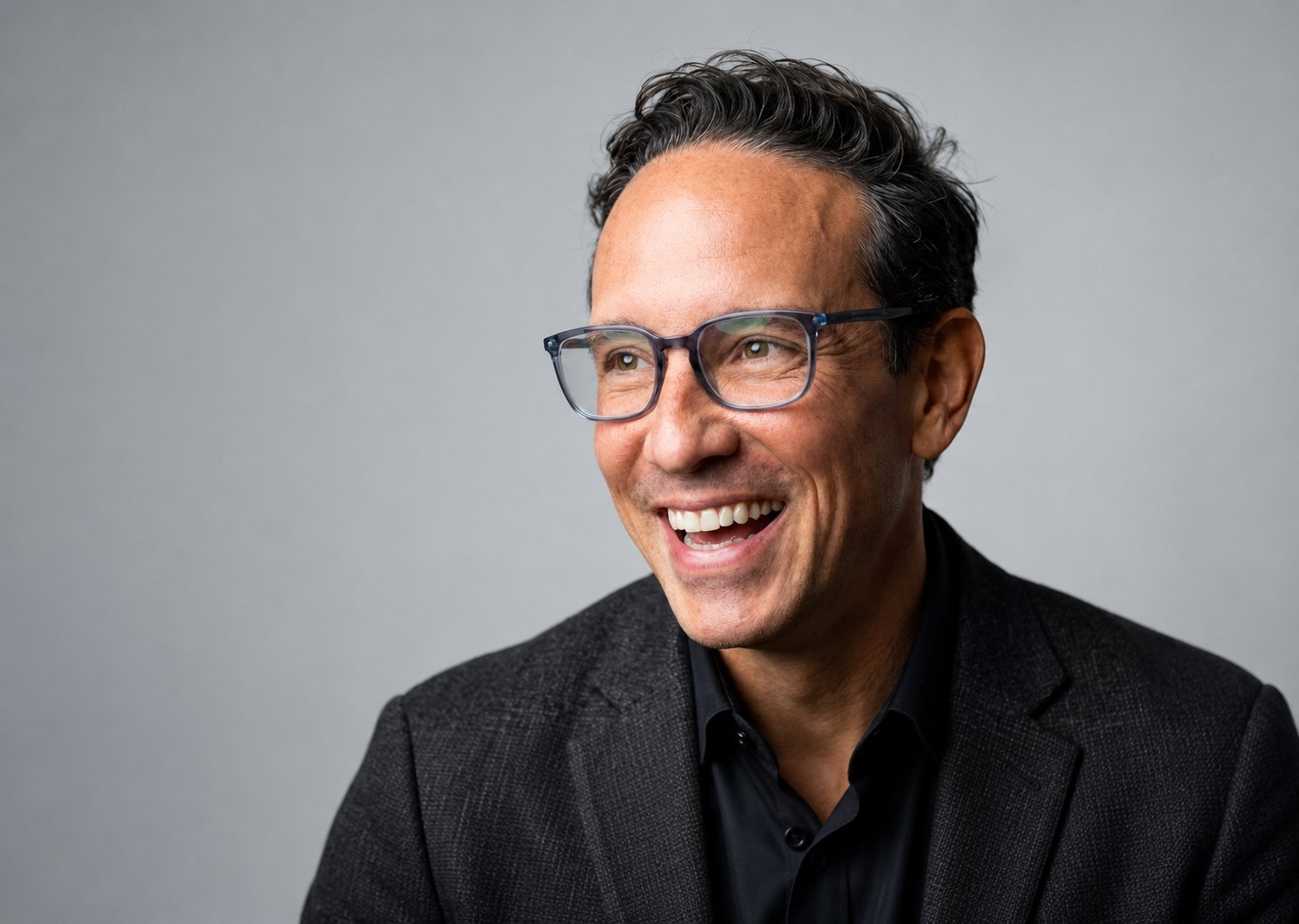
Samir Vasavada is best known as the co-founder of Vise, a wealthtech company built to help financial advisors deliver personalized investment management at scale. He started the company with Runik Mehrotra, and their story stands out because both founders began exploring artificial intelligence at a young age, long before AI became the center of nearly every technology conversation.
Vise’s founding story is rooted in that early curiosity. Vasavada and Mehrotra were interested in how AI could be used in real business problems, not just as a technical experiment. That approach eventually led them into wealth management, a field where personalization matters deeply but is often limited by time, manual work, and legacy systems.
Vasavada’s role in Vise places him in a growing group of fintech founders who are not simply digitizing old financial workflows. They are trying to rebuild the infrastructure behind them. His work sits at the intersection of financial advisors, investment management, artificial intelligence, and personalized portfolios, which makes his founder journey especially relevant as the financial advice industry changes.
The idea behind Vise
The main idea behind Vise is easy to understand: financial advisors should be able to offer deeply personalized portfolios without needing to manually build and monitor every detail from scratch.
In traditional wealth management, many advisors rely on model portfolios, third-party asset managers, spreadsheets, and disconnected software. These tools can be useful, but they often create a tradeoff. Advisors can either offer broad, scalable solutions that are easier to manage, or they can provide highly customized portfolios that require more time and operational effort.
Vise aims to reduce that tradeoff. Its platform uses AI and automation to help advisors build, manage, and explain portfolios based on client needs. The company describes itself as a technology-powered asset manager, which is an important distinction. It is not only selling software. It is building a system that supports the investment management process across the advisor-client relationship.
The focus is not to replace financial advisors. The focus is to give them a stronger foundation so they can serve clients in a more personal and scalable way.
Why personalized investing became a major problem for advisors
Personalized investing has become more important because clients expect more from financial advice than a generic portfolio. They want to know why they own certain investments, how their portfolio reflects their goals, and whether their advisor understands their full financial picture.
That expectation creates pressure on advisors. A client may care about retirement income, tax efficiency, risk control, concentrated stock exposure, legacy planning, or values-based investment choices. Another client may have completely different priorities. As an advisor’s business grows, handling all of those details manually becomes harder.
This is where many advisory firms run into a familiar problem. The more clients they serve, the more difficult it becomes to keep every portfolio meaningfully personal. Model portfolios can help with efficiency, but they can also feel too broad. Manual customization can help with personalization, but it can slow down the business.
Samir Vasavada and Vise are building around that gap. The company’s value comes from helping advisors bring together personalization and scale, two things that have often been treated as opposites in investment management.
How Samir Vasavada is using AI to support financial advisors
The most important part of the Vise story is how it frames AI. In many industries, AI is described as something that will replace professionals. Vise takes a different route. Its purpose is to help advisors work more efficiently while keeping the human relationship at the center.
For financial advisors, much of the daily work around portfolios can be repetitive and time-heavy. Advisors need to review allocations, monitor changes, explain decisions, handle client preferences, and keep portfolios aligned with a broader plan. AI can help with those workflows by making analysis faster, improving consistency, and reducing the amount of manual effort required.
Vise uses technology to support portfolio construction and ongoing management. This can give advisors more room to focus on client conversations, planning, trust-building, and long-term financial decisions. Those are areas where human judgment still matters.
Vasavada’s approach shows a practical view of AI in wealth management. The goal is not to make investing feel colder or more automated. The goal is to make personalization easier to deliver, especially for advisors who want to grow without lowering the quality of their client experience.
How Vise helps advisors build personalized portfolios
Vise helps advisors by making portfolio personalization easier to manage across many clients. Instead of treating every client as a fit for the same broad model, the platform supports portfolios that can better reflect a client’s goals, risk profile, and investment preferences.
A personalized portfolio might consider a client’s financial situation, long-term plan, asset allocation needs, tax considerations, or exposure preferences. The more specific the portfolio becomes, the more valuable the advisor’s guidance can feel. But that level of detail also requires a system that can handle complexity without overwhelming the advisory team.
This is where Vise’s platform becomes useful. It can help advisors manage investment workflows more consistently while still allowing room for customization. That means advisors can explain portfolio decisions more clearly, keep accounts aligned with client needs, and avoid relying only on one-size-fits-all investment products.
For the client, the benefit is a portfolio that feels more connected to their life. For the advisor, the benefit is a more scalable way to deliver that level of service.
Why Vise matters in the future of wealth management
The wealth management industry is becoming more digital, more data-driven, and more competitive. Large financial institutions have the resources to build advanced technology stacks, while independent advisors often need better tools to keep up. Vise fits into this shift by giving advisors access to investment technology that can support personalization at a larger scale.
This matters because financial advice is no longer judged only by portfolio performance. Clients also care about transparency, communication, tax awareness, ease of access, and whether their advisor can explain decisions in plain language. A strong advisor platform has to support all of that.
Vise’s role in the market is connected to the broader rise of wealthtech, where companies are building smarter infrastructure for financial professionals. The most useful tools in this space are not the ones that add more complexity. They are the ones that remove friction from the advisor’s day and help clients feel better served.
That is why Vasavada’s work with Vise is important. It shows how AI can move beyond hype and become part of a practical workflow in financial advice.
Samir Vasavada’s founder journey with Vise
Samir Vasavada’s founder story is also part of what makes Vise interesting. He and Runik Mehrotra did not come into wealth management with the usual long career path through traditional finance. They came from a background shaped by technology, AI, and an early desire to solve complex problems.
That outsider perspective can be useful in a conservative industry. Wealth management is built on trust, regulation, and careful decision-making. New technology cannot simply move fast and expect advisors to follow. It has to earn confidence. It has to work inside real advisor workflows. It has to be reliable enough for a business where clients are trusting professionals with their financial future.
Building Vise meant taking a technical idea and making it useful in a relationship-driven industry. That is not easy. Advisors need tools that are powerful, but also understandable. They need automation that saves time, but not at the cost of control. They need AI that supports their judgment, not a black box that makes their job harder to explain.
Vasavada’s journey reflects that balance. Vise is ambitious, but its core promise is practical: help advisors deliver better investment management without losing the personal nature of advice.
The role of Vise in advisor-client relationships
Financial advice is built on trust. A client wants to know that their advisor understands their life, their goals, and their concerns. Technology can help with analysis and execution, but it cannot replace that relationship.
Vise is built around this reality. By helping with portfolio management and investment intelligence, the platform can free advisors to spend more time on the parts of the job that require human connection. That might include explaining tradeoffs, calming clients during market volatility, reviewing life changes, or helping families make long-term financial decisions.
Personalization also strengthens the advisor-client relationship. When a client sees that their portfolio reflects their actual needs rather than a generic model, the advice can feel more thoughtful. It gives the advisor a clearer story to tell and gives the client more confidence in the plan.
In that sense, Vise is not just about software. It is about giving advisors a better way to turn client understanding into investment action.
Challenges Vise is trying to solve in investment management
The opportunity for Vise is large, but the challenge is also serious. Investment management is not a casual software category. Advisors have to trust the tools they use. Clients have to trust the recommendations they receive. Every workflow has to respect accuracy, compliance, transparency, and the real financial impact of decisions.
AI adoption in wealth management can also be slower than in other industries because the stakes are high. Advisors may be interested in automation, but they will not accept tools that make portfolio decisions harder to understand. They need confidence that personalization is explainable and that technology fits into the way their firms already operate.
This is one of the biggest problems Vise is trying to solve. It must make advanced portfolio technology feel practical and trustworthy. The platform has to support scale, but it also has to preserve the advisor’s ability to explain what is happening and why.
That balance is central to Vise’s place in the market. Personalization only works if it is clear, reliable, and useful for both the advisor and the client.
What Samir Vasavada’s work says about the next generation of fintech founders
Samir Vasavada’s work with Vise says a lot about where fintech is heading. The next generation of financial technology is not only about launching apps for consumers. It is also about building infrastructure for the professionals who guide financial decisions.
Founders like Vasavada are using AI to target deep operational problems. In Vise’s case, the problem is how to make personalized investment management available at scale through financial advisors. That is a more focused and durable use of AI than simply adding automation for its own sake.
The story also shows that the future of fintech may not be about removing experts from the process. In many cases, it may be about giving experts better systems. Financial advisors still bring trust, judgment, and context. Platforms like Vise can help them turn that human understanding into more personalized portfolios.
That is why the company’s mission matters. Vise is not only part of the AI conversation. It is part of a larger shift in wealth management, where personalization, automation, and human advice are becoming more closely connected.