In many industries, the most valuable knowledge is not sitting neatly inside a database. It is carried by experienced workers who have spent years making judgment calls in the field, learning what works, spotting small details others miss, and understanding how old systems actually operate in the real world.
That is the problem Tyler Collins is helping solve through Cloneable.
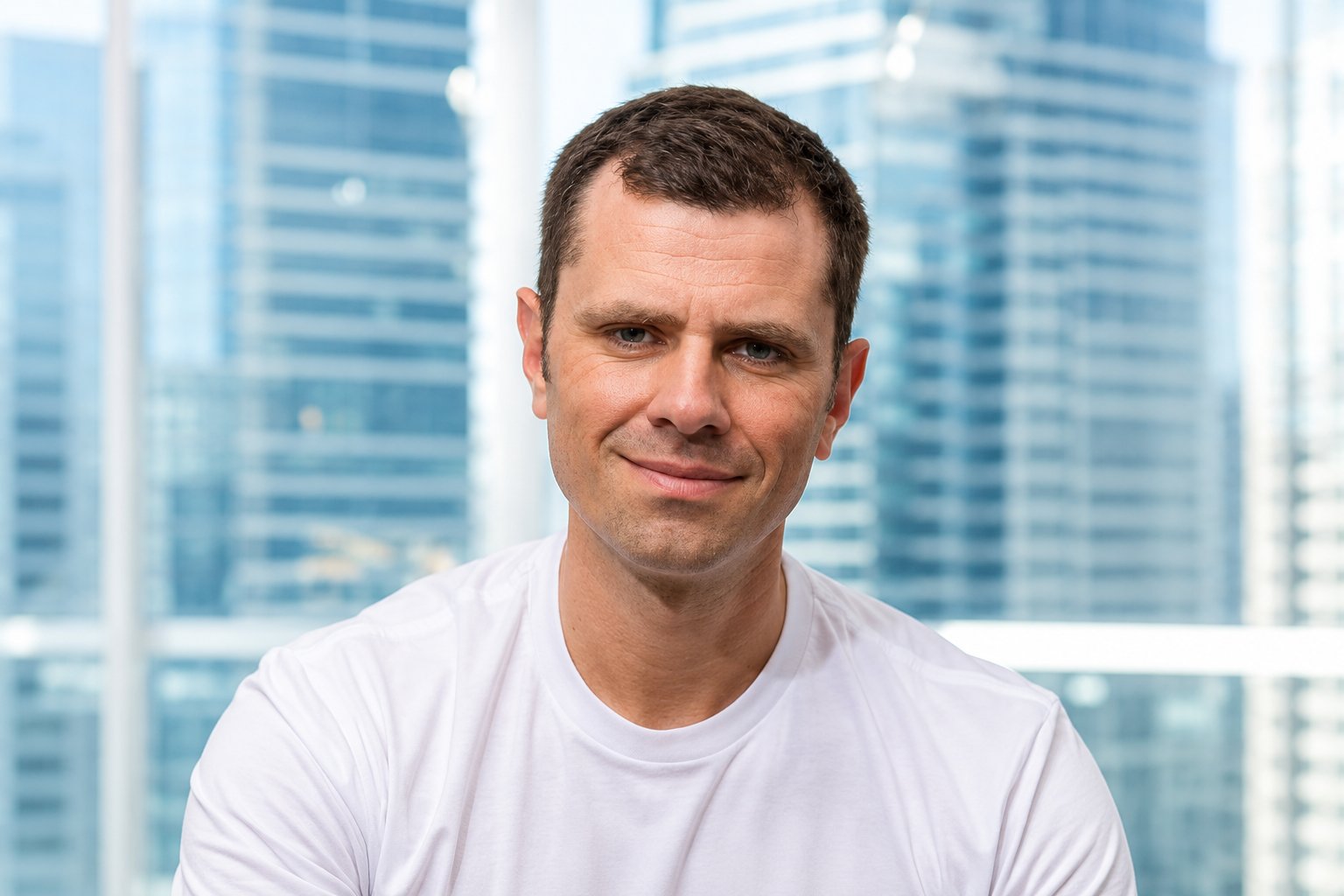
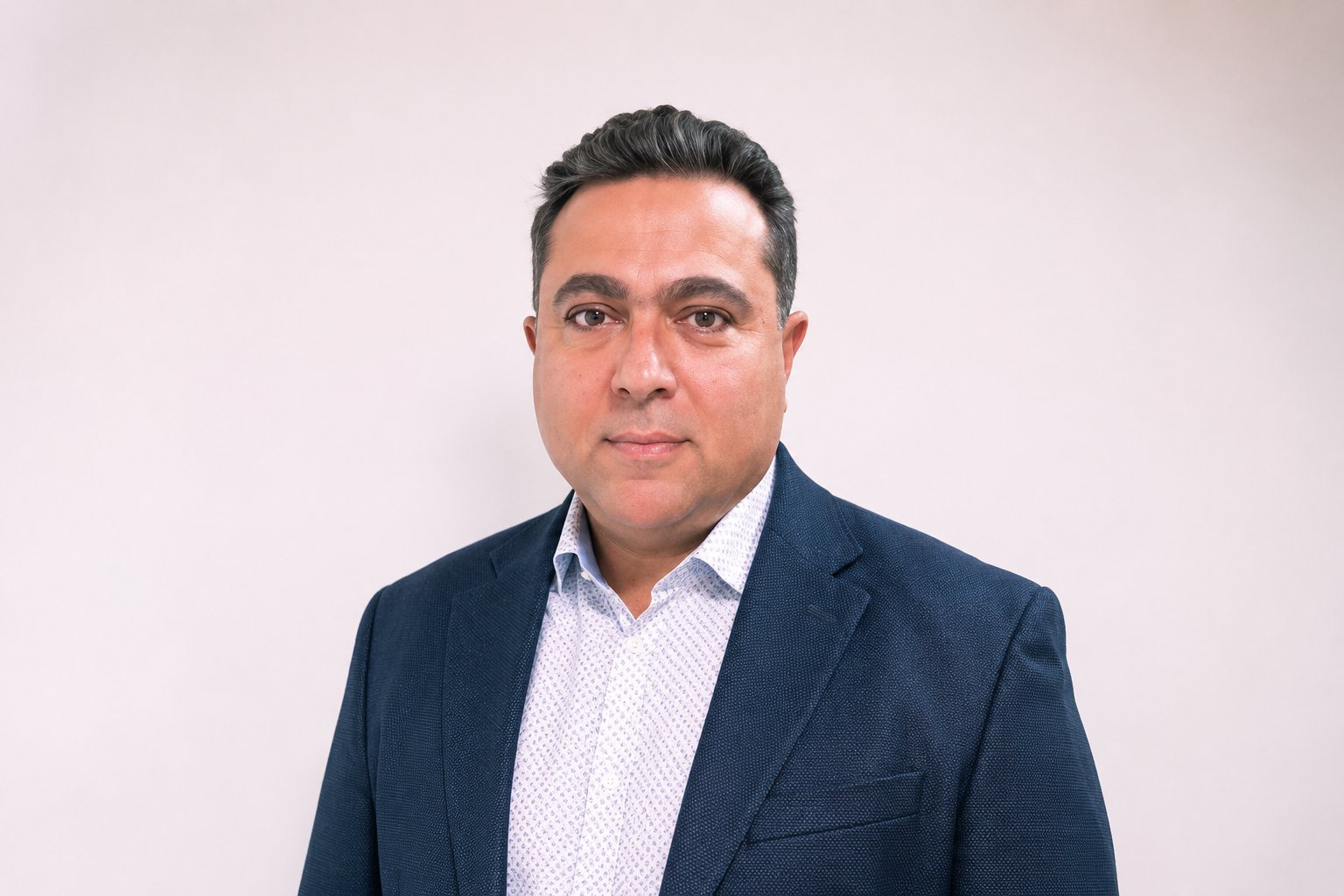
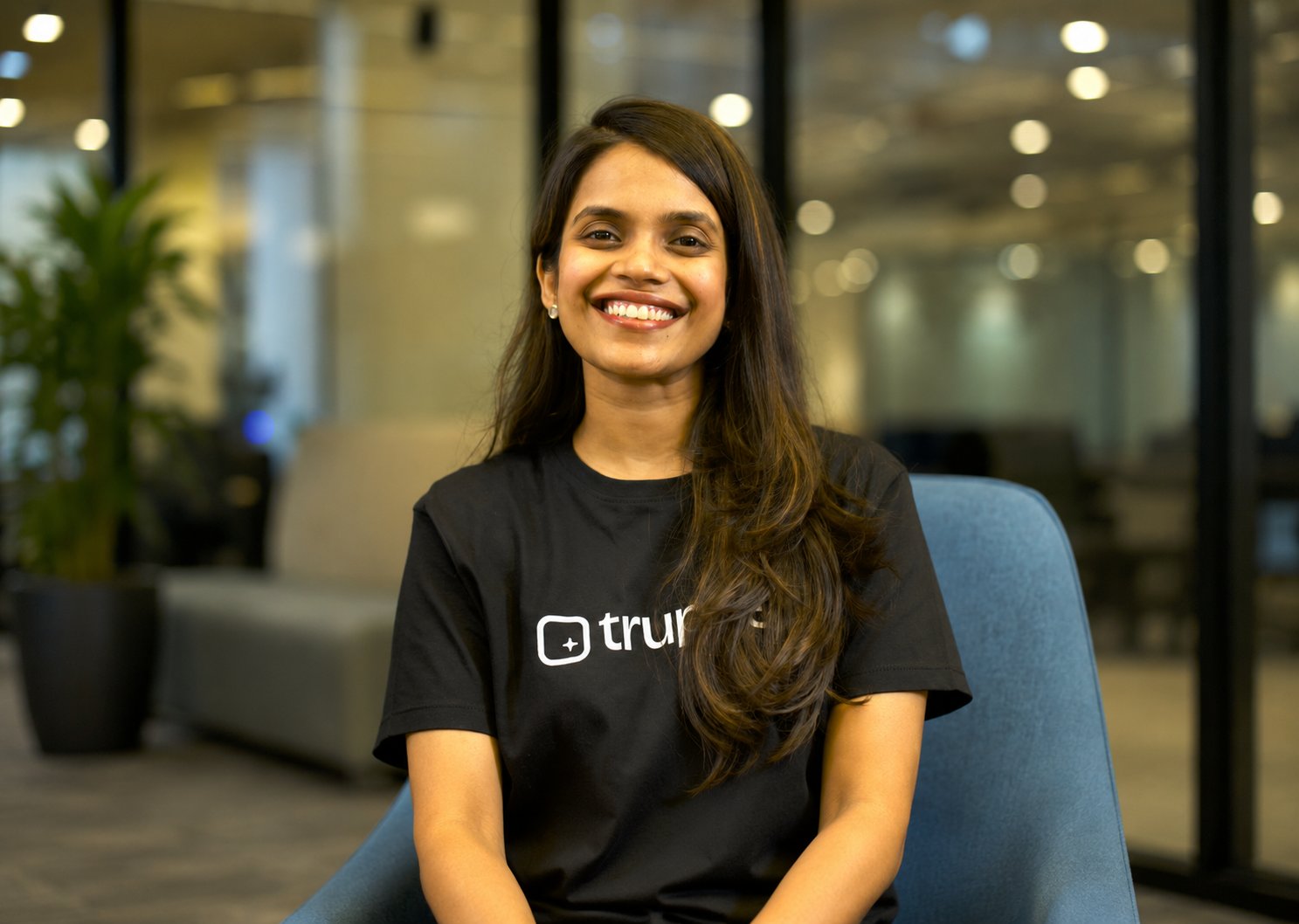
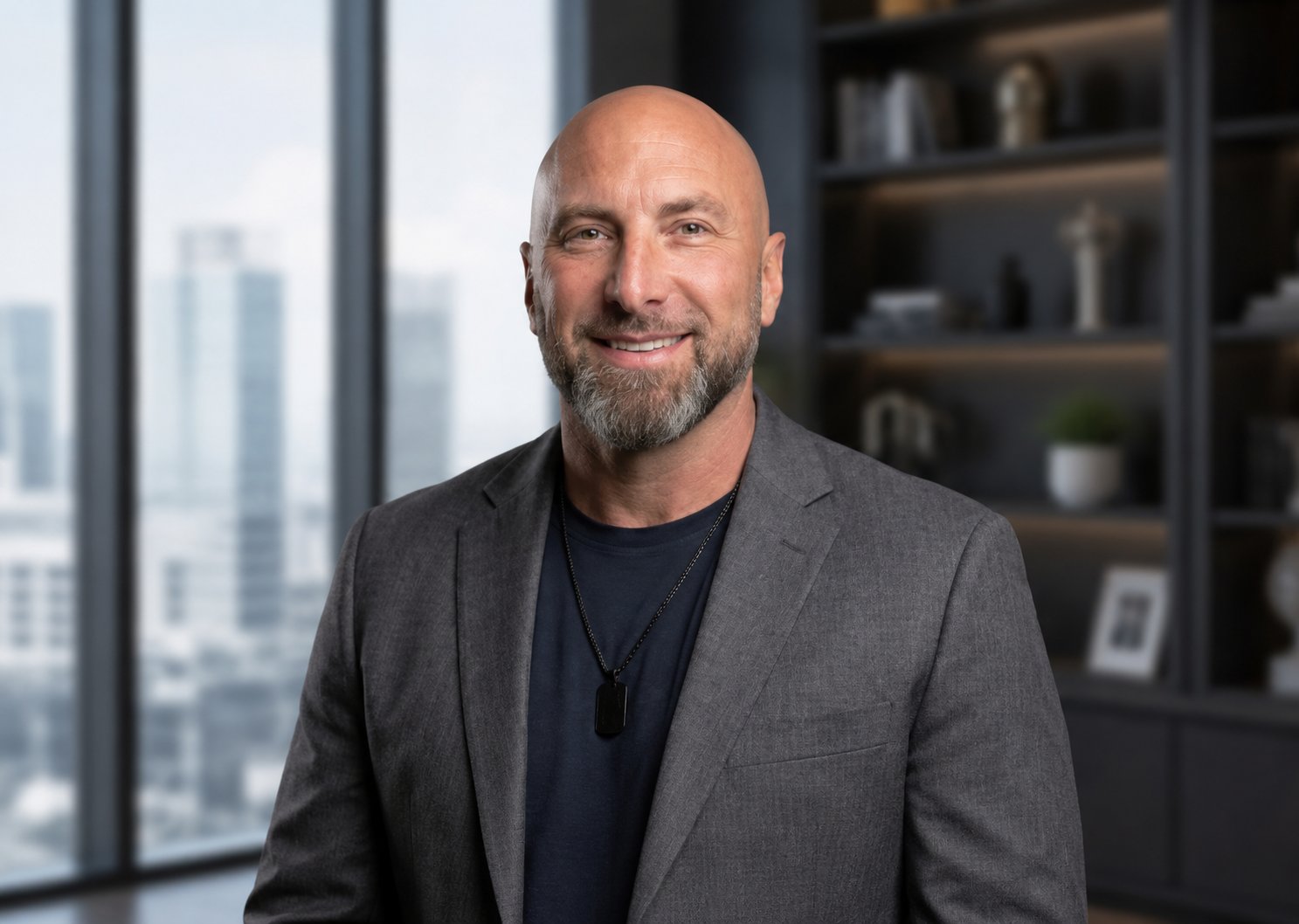
As a co-founder of Cloneable, alongside Lia Reich and Patrick Lohman, Tyler Collins is part of a team building AI tools for industries where work is complex, physical, and deeply dependent on expert judgment. The company is not simply chasing the broad AI assistant trend. It is focused on a more specific challenge: helping field-heavy companies capture the knowledge of their best people and turn that expertise into usable AI agents.
This matters because infrastructure-heavy industries are under pressure from several directions at once. Utilities need to modernize. Telecom companies need to speed up network expansion. Energy, agriculture, construction, rail, mining, and manufacturing teams need cleaner data, faster workflows, and fewer bottlenecks between field crews and back-office teams. At the same time, many of the people who understand these systems best are retiring or moving on.
Cloneable is trying to close that gap by making expert knowledge easier to capture, repeat, and scale.
Who is Tyler Collins and why his work at Cloneable matters
Tyler Collins is known as one of the co-founders of Cloneable, a Raleigh-based AI company focused on infrastructure operations and field workflows. His work sits at the intersection of enterprise software, industrial data capture, and practical AI automation.
That mix is important. Many AI startups begin with software-first use cases, such as document drafting, customer support, or internal search. Cloneable starts somewhere messier: field operations. These are environments where workers rely on maps, inspections, photos, measurements, permits, engineering rules, customer standards, and older enterprise systems that cannot be replaced overnight.
For companies in these sectors, automation is not as simple as plugging in a chatbot. A system needs to understand how expert workers make decisions. It needs to work inside existing tools. It needs to respect compliance rules, field realities, and industry-specific processes.
That is where Tyler Collins and the Cloneable team have found their lane. Their approach is built around the idea that AI becomes far more useful when it learns from the people already doing the work well.
The problem Cloneable is trying to solve
Every field-heavy business has a version of the same problem. A few experienced workers know how to handle the complicated jobs, but the knowledge is difficult to transfer.
A senior utility technician may know which details matter during an inspection. A telecom expert may understand whether a pole can support new fiber. A vegetation management specialist may know how to prioritize risk after looking at site conditions. A back-office reviewer may understand which permits need a second look and which ones can move forward quickly.
The challenge is that much of this judgment is never fully written down. It lives in habits, shortcuts, instincts, repeated decisions, and years of hands-on experience. Companies often call this institutional knowledge or tribal knowledge. Whatever term is used, the risk is the same. When experienced people leave, the business can lose far more than headcount. It can lose the decision-making logic that keeps work moving.
That creates delays. It leads to inconsistent reviews. It slows down training. It makes teams dependent on a small group of experts. It also makes digital transformation harder because software cannot automate knowledge that has never been captured in the first place.
Cloneable is built around this missing layer. Instead of treating field data as only photos, forms, or reports, the company looks at the thinking behind the work. What did the expert notice? Why did they approve one case but flag another? Which system did they check? Which exception mattered? Which rule was official, and which rule came from years of experience?
Those questions are at the center of Cloneable’s value.
How Cloneable turns field expertise into scalable AI agents
Cloneable focuses on capturing how expert workers perform specialized tasks, then turning that knowledge into AI-powered workflows that other teams can use. The goal is not just to automate basic steps. The bigger idea is to make expert-level decision-making more repeatable across an organization.
This is where Cloneable Agent becomes important.
Cloneable Agent is designed to codify expert knowledge and deploy it as AI agents that can support real operational workflows. In practical terms, that means the system can learn from how experienced workers handle complex tasks and then help apply that knowledge across similar cases.
For example, in a telecom or utility workflow, an expert might review field data, compare it against engineering standards, check a GIS system, look at pole conditions, review compliance requirements, and decide whether the job can move forward. A generic AI tool may understand the language in a document, but it will not automatically know the hidden logic behind that workflow.
Cloneable is trying to capture that hidden logic.
The company’s approach is especially useful because many industrial teams already work with established tools. They may use mapping platforms, inspection tools, permitting systems, engineering software, spreadsheets, and legacy desktop applications. Replacing all of that is usually unrealistic. A practical AI system has to meet teams where they already work.
That is why Cloneable’s work stands out. It is not only about building an AI model. It is about building AI agents that can fit into real operations, understand specialized tasks, and help teams move faster without forcing a full software reset.
What makes Cloneable Agent different
The clearest difference is focus. Cloneable Agent is not being built as a general-purpose assistant for every office worker. It is aimed at infrastructure-heavy industries where expert knowledge is valuable, hard to replace, and often scattered across people, documents, and software systems.
That includes sectors such as utilities, telecom, energy, agriculture, construction, rail, mining, and manufacturing. These industries deal with real-world constraints that many software products are not designed to handle. Field teams may work offline. Data may come from job sites, drones, photos, sensors, forms, or inspections. Back-office teams may need to clean, verify, interpret, and approve that data before anything useful can happen.
In those settings, the gap between the field and the office can become expensive. If the field data is incomplete, the office team has to chase corrections. If the review process depends on one expert, work piles up. If new workers do not know the unwritten rules, mistakes become more likely.
Cloneable Agent is designed to reduce that friction by turning expert workflows into repeatable AI-powered processes.
Another key difference is that Cloneable appears to understand that expert judgment is not the same as simple automation. A workflow can be automated without being intelligent. The harder job is capturing why an expert chooses one path over another. That is the difference between a checklist and a system that can support more complex decision-making.
For Tyler Collins, this makes the work more meaningful than just building another AI tool. It is about making the knowledge inside experienced workers more accessible to the teams who need it.
Why Tyler Collins’ work connects to the future of industrial AI
The future of industrial AI will not be shaped only by better models. It will also depend on better context.
A model can be powerful, but if it does not understand the company’s systems, field conditions, compliance rules, customer standards, and expert habits, it may not be useful in daily operations. This is especially true in industries where mistakes can cause delays, safety issues, cost overruns, or regulatory problems.
That is why Tyler Collins and Cloneable are working in an important space. They are focusing on the knowledge layer that many companies need before AI can become truly practical.
In a utility or telecom company, the best expert may not have time to train every new employee. A senior reviewer may not be able to manually check every job. A field supervisor may not be available whenever a team faces an unusual case. But if their expertise can be captured and turned into AI agents, that knowledge can support more people at once.
This does not make experienced workers less valuable. It makes their knowledge more scalable.
That is a key part of Cloneable’s story. The company is not presenting AI as a replacement for field expertise. It is building around the idea that expert workers are the source of the intelligence. The AI becomes useful because it learns from them, follows their workflows, and helps repeat their best decisions across larger teams.
Cloneable’s growth and funding milestone
Cloneable gained wider attention after announcing a $4.6 million seed round in April 2026. The funding was led by Congruent Ventures, with participation from First In, Overline, St. Elmo Venture Capital, and Bull City Venture Partners. The round also brought attention to the company’s launch of Cloneable Agent.
For a startup working in industrial AI, this funding milestone matters because it signals confidence in a very specific market need. Many infrastructure companies are not short on software. They are short on connected workflows, cleaner data, faster review cycles, and ways to preserve expert knowledge before it disappears.
The timing also makes sense. Heavy industries are under pressure to modernize, but many still rely on manual review, disconnected systems, and experienced workers who act as the glue between field data and business decisions. AI agents could help, but only if they are built around the actual workflows these companies use.
That is the opening Cloneable is pursuing.
The company’s earlier product, Cloneable Field, focused on automated infrastructure inspection and field data capture. With Cloneable Agent, the company is expanding the story from collecting data to acting on expertise. That shift is important because field data on its own is not enough. The value comes when companies can turn that data into decisions, approvals, follow-up tasks, and operational improvements.
Industries that could benefit from Cloneable’s approach
The clearest use case is in utilities and energy infrastructure. These companies deal with inspections, grid modernization, maintenance planning, pole attachments, vegetation management, permitting, and safety-sensitive work. Much of that work depends on local knowledge and experienced judgment.
In telecom, the need is also strong. Broadband expansion, fiber deployment, joint-use approvals, and make-ready engineering all involve complicated field-to-office workflows. A small mistake in data collection or review can delay a project and create extra work for multiple teams.
Agriculture and field operations can also benefit from expert-driven automation. Many decisions depend on local conditions, field observations, seasonal patterns, equipment, land use, and operational history. AI tools that understand these workflows could help teams move from raw data to better action.
The same pattern applies to construction, rail, mining, and manufacturing. These sectors often have experienced people making important decisions based on context that is hard to standardize. When that context can be captured, trained, and reused, companies can reduce bottlenecks and improve consistency.
This is why Cloneable’s market is broader than one narrow industry. The core problem exists anywhere complex field work meets aging systems, manual review, and expert-dependent decisions.
The bigger achievement behind Tyler Collins and Cloneable
The most interesting part of Tyler Collins’ work with Cloneable is not simply that the company is building AI agents. Many startups are doing that. The stronger achievement is that Cloneable is applying AI to work that is difficult, physical, specialized, and often overlooked by mainstream software.
In many companies, the people who keep operations moving are not always the loudest voices in digital transformation conversations. They are the field technicians, reviewers, engineers, supervisors, and operations specialists who understand the messy details. They know which data points matter. They know which exceptions are risky. They know when a workflow looks fine on paper but will fail in the field.
Cloneable is trying to turn that kind of knowledge into a real operational asset.
That is a practical and timely idea. As industries face workforce changes, infrastructure upgrades, and pressure to do more with fewer delays, the ability to scale expert knowledge could become a major advantage. Companies that capture their best workflows can train faster, review more consistently, and reduce dependency on a small group of specialists.
For Tyler Collins, the success story is tied to building technology that respects how real work happens. Cloneable is not trying to make industrial teams fit into a clean software fantasy. It is building AI around the tools, habits, judgment calls, and field realities that already exist.That is what makes the company’s mission worth watching. If Cloneable can help infrastructure-heavy industries preserve expert knowledge and turn it into scalable AI agents, it could become part of a much larger shift in how physical industries adopt artificial intelligence.