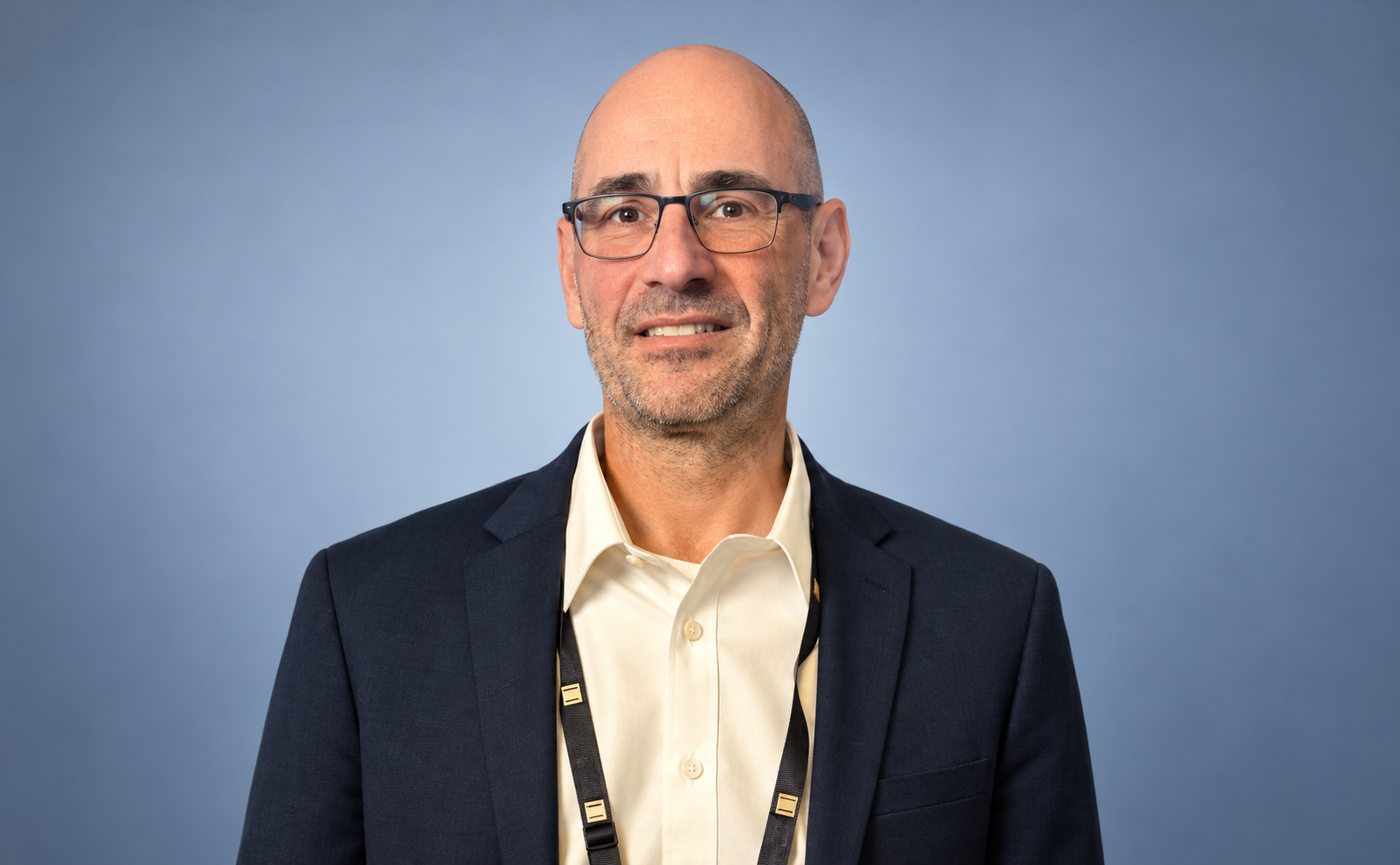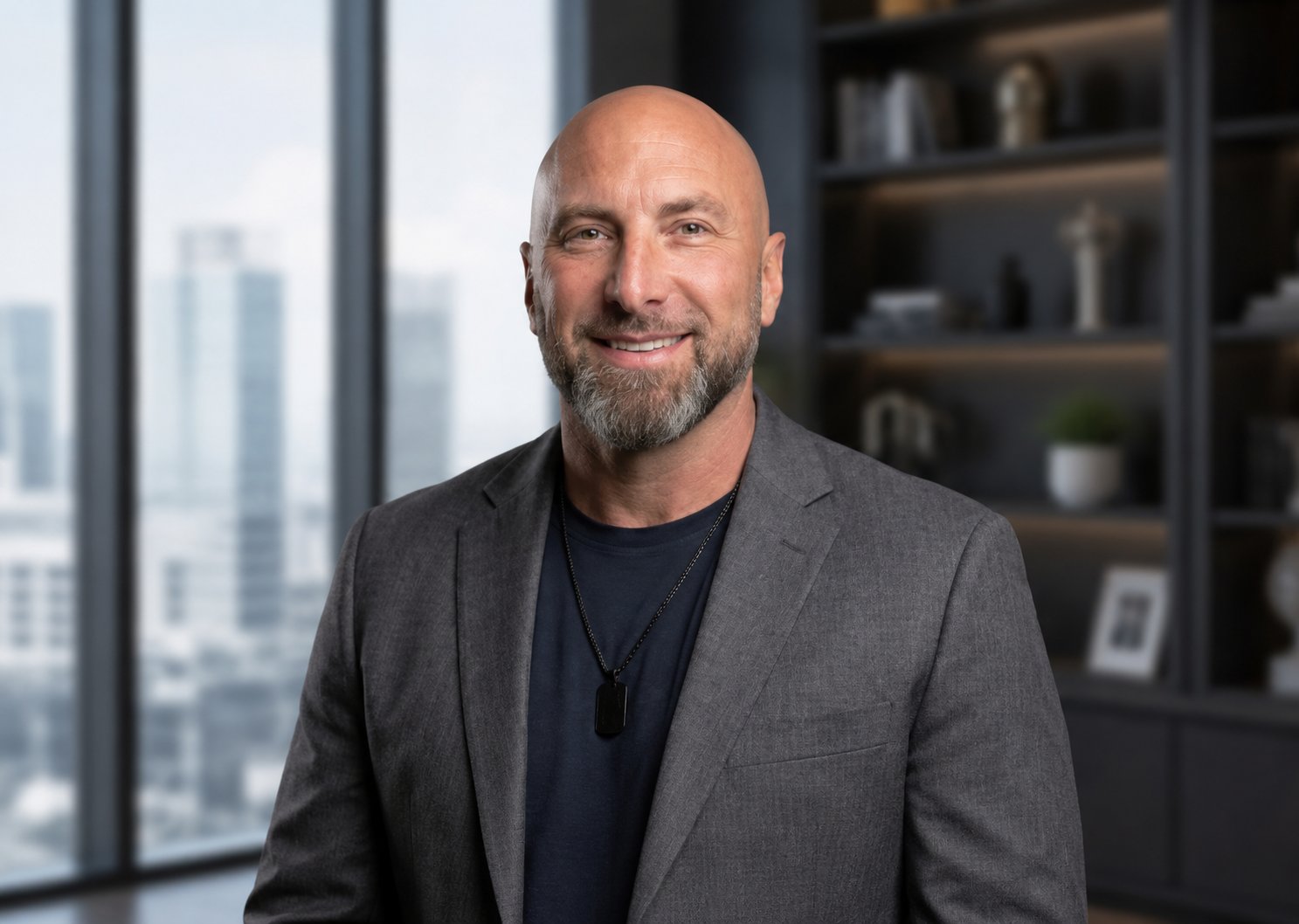
Adam Joseph is building Clipbook around a problem that many communications teams know too well. The media world moves quickly, but the tools used to track it have often felt slow, scattered, and too dependent on manual work. A communications leader may need to know what reporters are saying, how a policy issue is moving, where a brand is being mentioned, which podcast shaped a conversation, or why a story is gaining momentum. Traditional monitoring can catch some of that activity, but it does not always explain what matters.
That is the space where Clipbook is trying to stand out. The company positions itself as an AI system of record for communications, corporate affairs, and public affairs teams. Instead of treating media monitoring as a stream of disconnected alerts, Clipbook aims to give teams a central place to monitor, analyze, and act on external signals across news, social media, policy sources, broadcasts, podcasts, and more.
For Adam Joseph, the bigger story is not just about building another PR tool. It is about changing how modern communications teams make sense of the outside world. His success with Clipbook shows how a founder with experience in strategy, communications, and technology can take an old industry pain point and rebuild it for the AI era.
Who is Adam Joseph
Adam Joseph is the Founder and CEO of Clipbook, an AI-powered media intelligence platform built for organizations that need to understand public conversation with speed and context. Before building Clipbook, he worked as a strategy consultant at Boston Consulting Group, where he advised major companies and government organizations. His background also includes communications work in politics, including a role with Abdul El-Sayed’s 2018 gubernatorial campaign.
That mix matters because Clipbook sits at the meeting point of strategy, media, policy, and technology. Communications teams do not only need software that finds mentions. They need insight that can help them brief executives, shape messaging, understand risk, and respond before a narrative gets away from them.
Adam Joseph’s path also gives him credibility beyond the startup world. His public background includes Harvard College, Fulbright Scholar, and professional experience across consulting and communications. More recently, he was named a PRWeek 40 Under 40 honoree, a recognition that reflects his growing role in the future of PR technology and AI-powered communications.
What Clipbook does for communications teams
Clipbook is designed to help communications teams monitor and understand what is happening across the information landscape. In simple terms, it helps teams track media coverage, follow public conversations, analyze signals, and turn large amounts of information into usable intelligence.
The platform serves groups such as public relations teams, corporate affairs departments, public affairs teams, government affairs professionals, nonprofits, agencies, and enterprise communications leaders. These teams often deal with high-pressure information flows. They may need to know how a campaign is performing, how a public issue is being framed, how a competitor is being covered, or how a policy change is being discussed.
Clipbook’s value comes from bringing those signals into one place. The company says it monitors more than one million media and policy sources, including news, TV, radio, social media, podcasts, newsletters, and policy data. That range is important because public conversation no longer lives in one channel. A brand issue can start on social media, gain context in a newsletter, appear in a podcast, move into local news, and eventually become part of a policy debate.
For communications teams, that creates a real challenge. The issue is not a lack of information. The issue is knowing which signals deserve attention and which ones are just noise.
Why Adam Joseph saw a gap in traditional media monitoring
Old media monitoring often works like a clipping service. It gathers mentions, sends alerts, and helps teams create reports. That is useful, but it can also leave teams with more work instead of less. A long list of mentions still has to be sorted. Sentiment still has to be interpreted. Context still has to be understood. Reports still have to be built.
Adam Joseph appears to have recognized that communications teams needed something more complete. They did not just need another dashboard. They needed a smarter way to move from monitoring to understanding.
That gap has grown wider as the media environment has become more fragmented. A communications team may be tracking earned media, podcasts, social posts, broadcast mentions, policy developments, competitor activity, executive visibility, and reputation risk at the same time. A keyword alert can tell a team that something happened. It cannot always tell them why it matters, who is driving it, or what action should come next.
This is where Clipbook’s AI-native approach becomes central to Adam Joseph’s success story. The company is not only trying to find mentions. It is trying to understand meaning, context, relevance, and impact.
How Clipbook became an AI-native answer to information overload
Information overload is one of the biggest problems in modern communications. Teams are expected to move quickly, but they are also expected to be accurate. They need to catch fast-moving stories without overreacting to irrelevant noise. They need to brief leadership with confidence. They need to show impact in a way that makes sense to executives and clients.
Clipbook uses AI to help reduce that burden. Its platform focuses on monitoring, reporting, alerts, analysis, and searchable databases. The idea is to give teams a more useful intelligence layer, not just another stream of raw coverage.
An AI-native system can look beyond exact keyword matching. That matters because language is messy. A company name may be used in different contexts. A person may share a name with someone else. A policy issue may be discussed without using the exact phrase a team is tracking. A podcast mention may hold important context even if it never appears in a traditional article.
Adam Joseph has described Clipbook as a way for organizations to understand and act on the world around them. That positioning makes sense. In communications, the outside world is the job. Teams need to know what journalists, policymakers, competitors, customers, influencers, and stakeholders are saying. Clipbook’s AI is meant to help them make sense of those signals faster.
Adam Joseph’s push to make Clipbook the system of record for communications
The phrase system of record is important. In many businesses, a system of record is the trusted place where important information lives. Sales teams have customer relationship management platforms. Finance teams have accounting systems. Product teams have roadmaps and analytics tools. But communications teams have often relied on a mix of alerts, spreadsheets, PDFs, inboxes, screenshots, social listening tools, and manual reports.
Adam Joseph is building Clipbook to become that central layer for communications and corporate affairs teams. In this context, a system of record means a place where teams can store, search, analyze, and act on the signals that shape public understanding.
That is a bigger idea than media monitoring. It means Clipbook can become the place where a team tracks reputation, campaign performance, public issues, media relationships, policy movement, stakeholder conversation, and executive visibility. It also means the platform can support both daily work and longer-term strategy.
For PR agencies, that may mean better client reporting and faster research. For enterprise teams, it may mean sharper executive briefings. For public affairs teams, it may mean catching policy signals earlier. For nonprofits, it may mean understanding how an issue is being discussed across different communities and channels.
The funding milestone that brought more attention to Clipbook
Clipbook gained wider attention after announcing a $3.3 million seed round led by Mark Cuban, Commonweal Ventures, and Carpenter Capital. The funding gave the company more visibility and reinforced the idea that AI-powered communications intelligence is becoming a serious category.
The funding story is also useful because it shows how clearly Adam Joseph was able to explain Clipbook’s value. In a market filled with AI tools, investors look for products that solve a specific problem for a specific group of users. Clipbook’s focus is clear. It is built for teams that need to understand the public conversation and turn that understanding into better decisions.
The round also came after Clipbook had already built traction. Reports around the funding noted that the company had bootstrapped its way to meaningful revenue and served a growing base of customers. That detail matters because it shows the platform was not only an idea. It was already being used by teams with real communications needs.
Why Mark Cuban’s backing matters for Adam Joseph’s journey
Mark Cuban’s involvement added a strong layer of validation to Clipbook’s story. Cuban is widely known as an entrepreneur, investor, media figure, and business operator. His interest in Clipbook makes sense because the product sits close to media, brand reputation, public attention, and business intelligence.
One of the most memorable parts of Adam Joseph’s journey is the cold email story. Coverage of the funding round highlighted how Joseph reached out directly to investors and eventually earned Cuban’s attention. That kind of story stands out because it shows founder persistence, but it also shows the strength of the pitch. A cold email only works when the problem is clear and the opportunity feels real.
Cuban reportedly pushed Joseph with tough questions before investing. For a founder, that kind of pressure can be revealing. It tests whether the business has depth beyond a polished pitch. Adam Joseph’s ability to answer those questions and demonstrate Clipbook’s usefulness helped turn investor curiosity into actual backing.
That makes the funding milestone more than a headline. It shows how Adam Joseph positioned Clipbook as a serious answer to a real workflow problem inside communications and public affairs.
Recognition as a rising leader in communications technology
Adam Joseph’s recognition as a PRWeek 40 Under 40 honoree adds another layer to the story. Awards alone do not build companies, but industry recognition can show that a founder is shaping a category people are starting to notice.
PRWeek’s recognition placed Adam Joseph among rising leaders in public relations and communications. That matters because Clipbook is not building for a generic AI market. It is building for a professional world with its own workflows, pressures, language, and expectations.
Communications teams are often judged by how quickly they understand a situation and how clearly they respond. The work can involve crisis communications, media relations, internal alignment, stakeholder management, executive reputation, policy tracking, and brand positioning. Tools built for general analytics do not always fit that rhythm.
By building Clipbook around the needs of this specific industry, Adam Joseph has become part of a broader shift in PR technology. AI is no longer just a writing assistant or a research shortcut. It is becoming part of the core infrastructure that helps communications teams listen, analyze, and decide.
How Clipbook supports PR firms, enterprises, nonprofits, and public affairs teams
Clipbook’s appeal comes from its practical use cases. A PR agency can use it to track client coverage, monitor competitors, prepare reports, and spot relevant stories faster. An enterprise communications team can use it to follow brand mentions, reputation risk, executive visibility, and industry conversation. A nonprofit can track issue-based media coverage and understand how its mission is being discussed. A public affairs team can follow policy movement, government conversation, and stakeholder signals.
For these users, the real value is not simply having more data. It is having better context.
A useful media intelligence platform should help answer questions such as:
What stories are shaping the conversation right now?
Which mentions are actually important?
Where is sentiment changing?
Which stakeholders are driving the narrative?
What should leadership know today?
How is our message performing across channels?
Clipbook’s platform is built around these types of questions. Its reporting, alerts, analysis, and searchable archive can help teams move from scattered information to a more organized intelligence workflow.
That is why the phrase AI system of record for communications teams fits the company’s direction. It speaks to a deeper need for consistency, memory, and trusted context inside communications work.
What Adam Joseph’s work says about the future of communications
The rise of Clipbook points to a larger change in the communications industry. Teams are moving away from slow, manual tracking and toward AI-assisted intelligence. That does not mean human judgment becomes less important. In many ways, it becomes more important.
AI can scan sources, filter noise, detect patterns, and surface important developments. But communications teams still need to decide what a signal means, how to respond, what to tell leadership, and how to shape the next message. The best tools do not replace strategic thinking. They give teams more room to do it.
This is the future Adam Joseph seems to be building toward with Clipbook. The platform is meant to help teams spend less time gathering information and more time understanding it. That shift can change how PR and corporate affairs teams operate, especially in organizations where reputation and public trust are tied closely to business decisions.
As companies face faster news cycles, louder social platforms, and more complex policy environments, communications intelligence becomes more valuable. A team that understands the outside world earlier can respond with more confidence. A team that has better records can learn from past coverage. A team that can connect media signals to business priorities can earn a stronger seat at the decision-making table.
Why Adam Joseph’s Clipbook story stands out
Adam Joseph stands out because he is not simply attaching AI to an old workflow. He is building Clipbook around the way communications teams actually work now. The company’s focus on news, social media, policy, podcasts, broadcasts, reporting, alerts, analysis, and searchable intelligence gives it a clear role in a crowded AI market.
His story also combines several pieces that make a strong founder profile. He saw a real industry problem. He built a product for a specific professional audience. He gained traction with enterprise users. He earned backing from investors including Mark Cuban, Commonweal Ventures, and Carpenter Capital. He also received recognition from PRWeek as a young leader helping shape the future of communications.
That is why the topic of Adam Joseph and Clipbook works well for an achievement-focused article. It is not only about a founder raising money or launching a product. It is about how communications work is changing, and how Clipbook is trying to become the trusted intelligence layer for teams that need to understand public conversation before it turns into business risk or opportunity.