The baby products market has never been short on options. New parents are flooded with ads, registry lists, product comparisons, and endless opinions about what they should buy. For a lot of families, that shopping experience feels less exciting than exhausting. Too many items look overly complicated, too many products feel cheaply made, and too few brands seem to understand how modern parents actually want to live.
That gap is exactly where Greg Davidson helped Lalo find its place.
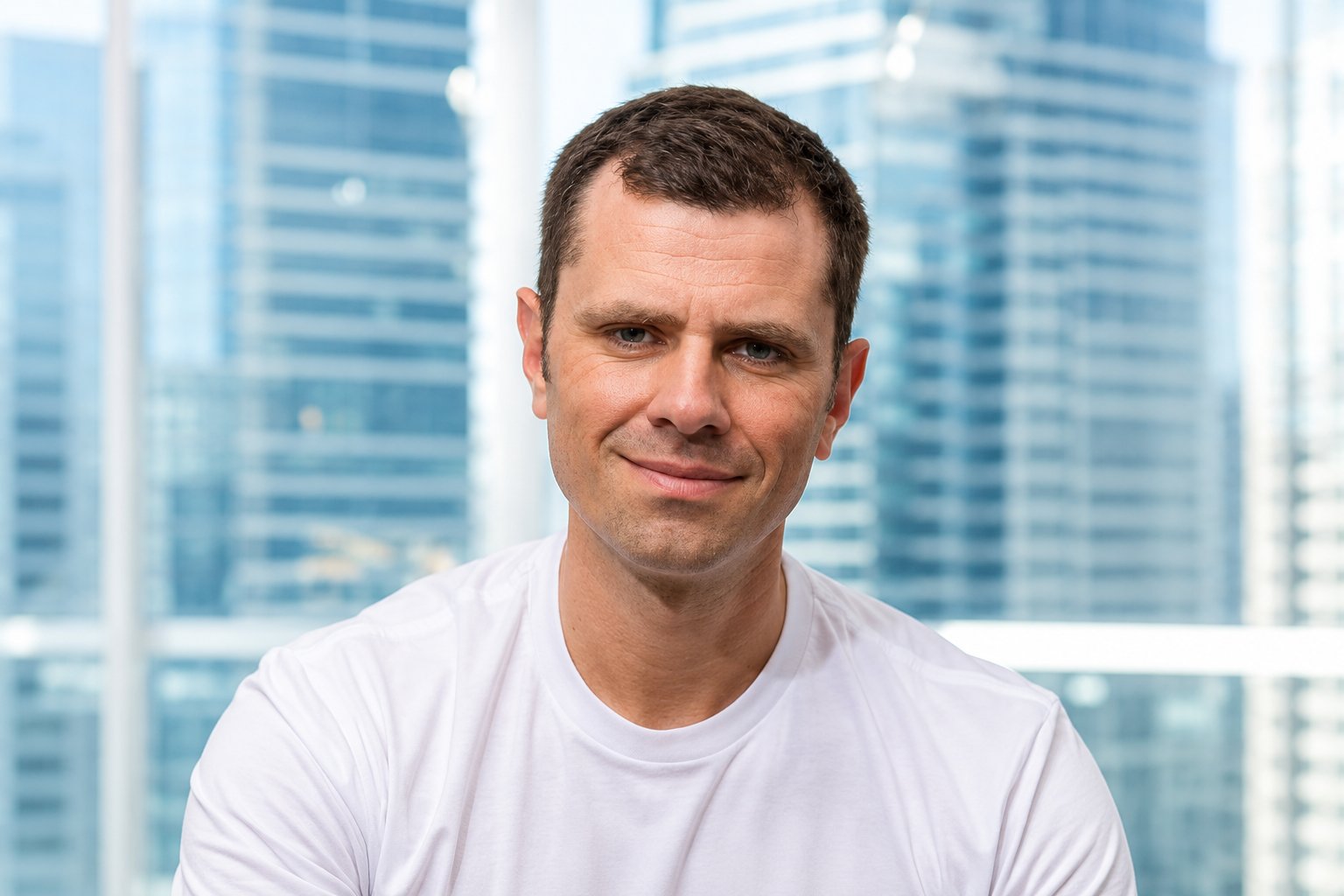
As the co-founder and CEO of Lalo, Greg Davidson helped build a company that took a different approach to baby and toddler essentials. Instead of creating products that felt like clutter, Lalo focused on items that were safe, simple, attractive, and genuinely useful in everyday family life. Over time, that approach helped Lalo stand out in a crowded category and turn into a brand many parents came to trust.
Lalo’s rise did not happen just because it had a nice-looking high chair or a clean website. It happened because Greg Davidson and the team understood something important early on. Parents were not only buying products for their children. They were also buying peace of mind, convenience, long-term value, and a brand experience that did not make them feel overwhelmed.
Who Is Greg Davidson
Greg Davidson is the co-founder and CEO of Lalo, a modern baby and toddler brand known for blending product safety, thoughtful design, and practical use. Before launching Lalo, Davidson built experience in sales, partnerships, and growth at companies including Artsy and WayUp. That background mattered because Lalo was never just a product idea. It needed sharp execution, strong positioning, and a clear understanding of how to build a consumer brand people would actually remember.
At Lalo, Davidson’s role has gone well beyond carrying the founder title. He has been part of shaping the company’s growth strategy, distribution decisions, customer experience, and the broader vision of what the brand could become. In many ways, his success with Lalo reflects an ability to pair startup discipline with a very human understanding of what parents want from the products they bring into their homes.
Why Greg Davidson Saw an Opportunity in the Baby Products Market
For years, the baby products space had a reputation for being crowded but not always thoughtful. Many items were highly functional, but they often lacked aesthetic appeal. Others looked good in marketing photos but did not feel especially practical once real life got messy.
That disconnect created an opening.
Modern parents were looking for more than baby gear that simply checked a box. They wanted products that fit into their homes without making every room look like a brightly colored daycare. They wanted items that felt easy to clean, easy to understand, and worth the money. They also wanted greater confidence in the materials being used, especially when it came to feeding, play, and everyday essentials their children would interact with constantly.
Greg Davidson recognized that the category was full of friction. Shopping for baby products often felt confusing, cluttered, and unnecessarily stressful. Lalo’s response was to simplify that experience and make the products feel more aligned with how families actually live.
How Lalo Was Founded and What Made the Brand Feel Different
Lalo launched in 2019 with a clear identity from the start. The brand was built around the idea that parents should not have to choose between form and function. Baby and toddler products could be safe and beautiful. They could be practical without looking bulky or outdated. They could serve real everyday needs while still feeling intentional in design.
That balance became one of the company’s biggest strengths.
Lalo did not try to become everything at once. It focused on building products that solved familiar problems in a cleaner and more modern way. Rather than leaning on the loud, overly busy look that has long defined much of the baby category, the brand created products that looked at home in a modern kitchen, dining room, or play space.
That might sound like a surface-level advantage, but it was not. Design was part of the trust equation. When parents saw products that looked considered and well made, it helped signal that the brand had thought carefully about the rest too.
How Greg Davidson Helped Build Trust Through Product Design
One of the smartest things about Lalo’s growth story is that the brand did not treat design as decoration. It treated design as a way to solve real problems.
Safe and non-toxic positioning
Parents tend to be especially careful about the products they bring into their homes for babies and toddlers. Safety is not a bonus in this category. It is the baseline. Lalo leaned into that reality by emphasizing safe, non-toxic materials and products that felt built with real family use in mind.
That kind of positioning helped the brand earn attention, but more importantly, it helped earn trust. Parents are far more likely to stick with a company when they feel confident about what it stands for and what it puts into the market.
Products that looked better in real homes
Another part of Lalo’s appeal was visual. The company understood that today’s parents do not want every product in their house to scream “baby item.” They want essentials that work well without making their home feel chaotic.
Lalo’s color palettes, shapes, and minimalist style gave it a fresh identity. The products felt modern, not overly clinical and not overly childish. That made them easier to live with, easier to gift, and easier to remember.
Products built to grow with the child
Lalo also benefited from making products that offered more than one stage of usefulness. That matters because parents are often hesitant to spend on something that feels temporary.
The Chair became one of the clearest examples of this philosophy. Instead of serving one narrow moment, it was designed as a 3 in 1 product that could function as a high chair, booster seat, and play chair. That kind of versatility gave parents a better sense of value and made the product feel more like a long-term investment than a short-term purchase.
The same thinking can be seen in items like Lalo’s 3 in 1 Potty, which follows the same practical idea of growing with a child across stages. This product strategy helped reinforce the brand’s broader message that it understood both child development and real family routines.
The Products That Helped Lalo Get Attention
Every strong consumer brand tends to have a few hero products that define its early reputation. For Lalo, those products played a huge role in turning curiosity into loyalty.
The Chair
The Chair became one of Lalo’s most recognizable products because it captured so much of what the brand stood for. It was clean in design, simple to understand, easy to fit into a home, and built to remain useful over time. Parents did not have to squint to see the value. It was clear from the start.
This kind of product does more than drive sales. It becomes shorthand for the whole brand. When families had a good experience with The Chair, they were more likely to trust Lalo in adjacent categories too.
Feeding, play, and toddler essentials
Lalo did not stop with one standout item. It expanded into feeding products, play items, toddler gear, and stage-based essentials that made the brand feel broader and more established.
That expansion mattered because it changed how customers saw the company. Lalo was no longer just a startup with one popular product. It was becoming a brand families could return to as their child grew.
Its product roadmap also supported its trust-building efforts. Instead of throwing out random items just to fill shelves, the company kept building around the same ideas of usefulness, longevity, safety, and visual simplicity.
How Greg Davidson Turned Lalo Into a Fast Growing Brand
Good branding alone does not create staying power. The business side has to work too.
Greg Davidson helped Lalo grow by pairing the brand’s clear product identity with strong commercial execution. The company built momentum as a direct-to-consumer brand, which gave it a closer relationship with parents and more control over how the brand story was told. That early DTC foundation helped Lalo learn quickly from customer behavior and build a tighter feedback loop between product and consumer.
As the business grew, Lalo also showed signs of real traction. The company reported strong year-over-year sales growth, and that gave outside observers a clearer signal that the brand was connecting with customers in a meaningful way. It was not just getting social buzz. It was building actual demand.
Investor confidence followed. Lalo raised a $10.1 million Series A round, which gave the company more firepower to invest in product expansion, team growth, and broader reach. For many young brands, fundraising can be more about headline value than business substance. In Lalo’s case, it reinforced the idea that the company had created something with real category potential.
How Lalo Expanded Beyond Its DTC Roots
One of the more important parts of Greg Davidson’s success with Lalo is that the company did not stay boxed into one channel.
Direct-to-consumer helped establish the brand, but long-term growth required broader distribution. Lalo began expanding into additional channels, including Amazon, Babylist, and Pottery Barn Kids, and later moved into Target as it pushed into wider retail visibility.
That shift was significant.
A lot of digitally native brands struggle when they try to expand beyond their own website. The brand story can get diluted, pricing can become harder to manage, and the company can lose some of the direct connection that made it special in the first place. Lalo’s challenge was to grow without losing the trust and clarity that helped it stand out.
The move into larger retail environments showed that Davidson was not trying to protect Lalo as a niche brand forever. He was helping it become more accessible while still holding onto the qualities that made parents notice it in the first place.
The company’s pricing decisions also reflected that shift. As Lalo looked to reach more families and compete more aggressively in mass retail and marketplace environments, it showed a willingness to evolve rather than stay attached to one narrow version of the brand.
Why Parents Trust Lalo
Trust is hard to earn in any product category, but it is especially hard in one built around children.
Lalo’s trust advantage comes from a few things working together at the same time.
First, the products feel easy to understand. Parents do not want to spend hours decoding why one item might be better than another. Lalo’s products tend to communicate their purpose clearly.
Second, the brand has a consistent identity. The visual style, product descriptions, and overall customer experience all feel connected. That consistency matters because it makes the company feel more credible.
Third, the products are built around real life. They are designed for messes, routines, transitions, and the practical realities of parenting. That makes the brand feel less like a startup trying to be clever and more like a company that genuinely understands its customer.
Finally, Lalo built trust by staying close to a clear promise. It wanted to create baby and toddler essentials that were safe, beautiful, and built to last. When a brand keeps repeating that promise through actual products instead of empty slogans, customers notice.
What Greg Davidson’s Success With Lalo Says About Modern Brand Building
Greg Davidson’s work with Lalo shows that modern consumer brands do not have to win by being louder than everyone else. Sometimes they win by being more thoughtful.
Lalo’s success points to a broader shift in how brands grow today. Parents are more design-aware than they used to be. They care about materials, product longevity, and the emotional feel of the shopping experience. They also have more choices than ever, which means trust and clarity matter even more.
Davidson helped Lalo succeed by understanding that product design, brand identity, and growth strategy all needed to support one another. A strong-looking product without real function would not have been enough. Good functionality without a clear brand identity would not have been enough either. The company needed both.
That balance is what made Lalo feel modern in a meaningful way.
Lessons Entrepreneurs Can Learn From Greg Davidson and Lalo
One lesson from Lalo’s story is that solving a real frustration can be more powerful than chasing a trendy idea. The brand did not invent the baby products market. It simply looked at where parents were already dissatisfied and built something better around those pain points.
Another lesson is that design can be a serious business advantage. In crowded markets, better design is not just about appearance. It can shape trust, memorability, and customer loyalty.
There is also a lesson in focus. Lalo built a clear identity early, and that made it easier for customers to understand what the brand stood for. That kind of clarity becomes even more valuable as a company grows.
Finally, Greg Davidson’s success with Lalo shows that brand growth works best when expansion feels earned. The company did not jump randomly from one idea to another. It built trust through products, then widened its reach through new categories and distribution channels.