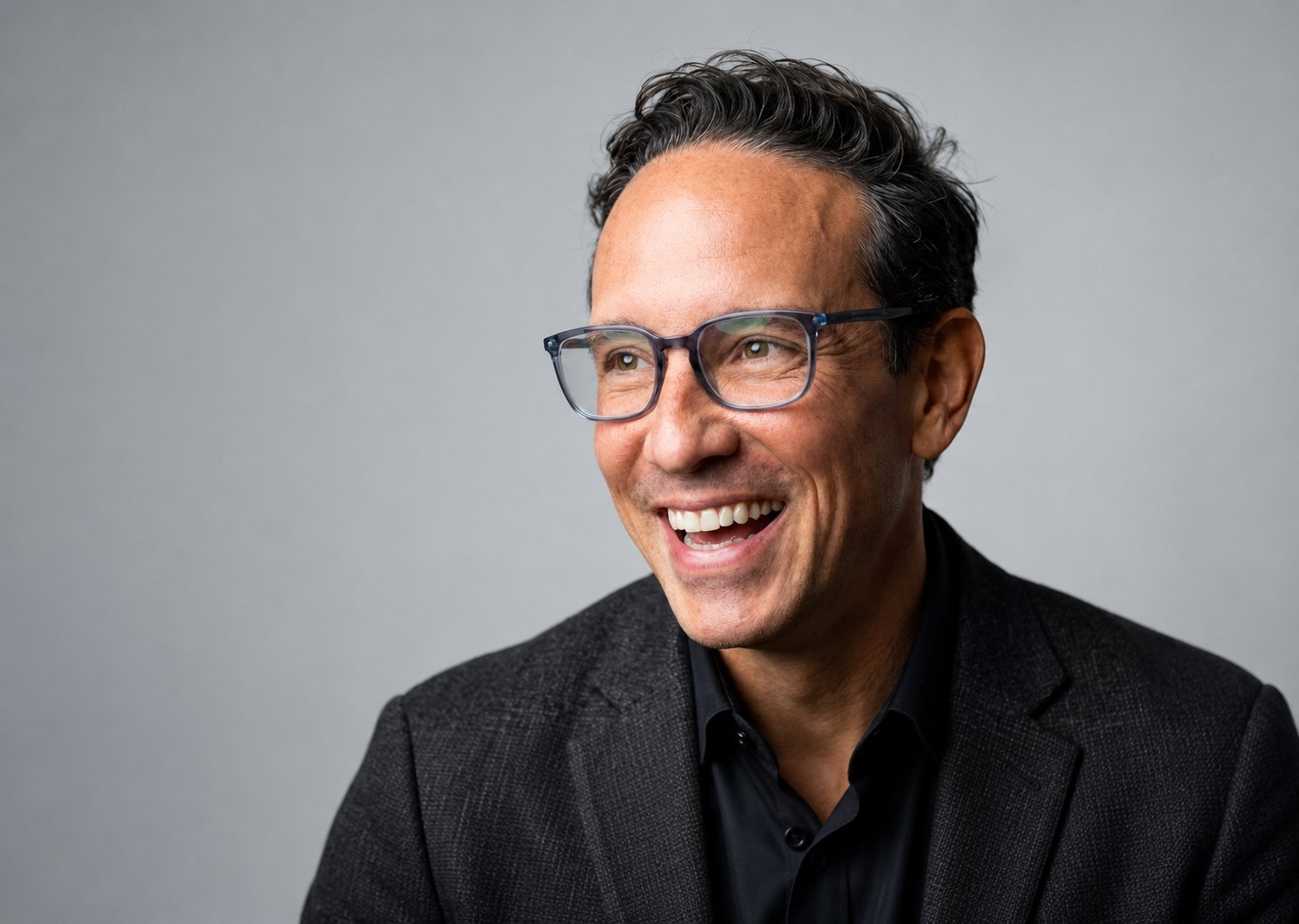
When people talk about standout startup stories, they usually focus on funding, fast growth, or clever branding. But the story behind Brett Podolsky and The Farmer’s Dog starts somewhere much more personal. It began with a dog named Jada, ongoing health problems, and one owner trying to figure out why the food marketed as good for dogs did not seem to be helping his own.
That personal frustration turned into a business idea with real staying power. What Brett Podolsky helped build was not just another pet brand with better packaging. The Farmer’s Dog grew by offering something many dog owners felt was missing from the market: fresher food, clearer ingredients, personalized meal plans, and a product story that actually made sense. In a pet food category long dominated by heavily processed options, the company gave pet parents a different way to think about dog nutrition.
Over time, that original idea became one of the most talked-about names in modern pet care. The rise of The Farmer’s Dog is not only about selling fresh meals. It is also about trust, product clarity, science-backed nutrition, and understanding what modern consumers expect from the brands they bring into their homes.
The Personal Problem That Started Brett Podolsky’s Journey
The earliest chapter of this story matters because it explains why The Farmer’s Dog felt different from the beginning. Brett Podolsky was not trying to chase a trend. He was trying to solve a problem that felt urgent and personal.
His dog Jada struggled with serious digestive issues for an extended period. Like many pet owners, Brett tried commercial dog food options that promised quality and health benefits. None of them seemed to make a meaningful difference. That experience pushed him to look beyond the usual labels and marketing claims.
Eventually, he began feeding Jada real, freshly prepared food. The change in her condition became the turning point. That moment did more than improve one dog’s life. It exposed a much bigger gap in the pet food industry. If fresh, minimally processed food could make such a noticeable difference for one dog, why was it so hard to find a convenient, trustworthy version of that idea at scale?
That question sits at the heart of the Brett Podolsky success story. The business did not begin with abstract market research. It began with direct experience, frustration, experimentation, and a visible result. That gave the company a stronger foundation than a lot of startups ever get.
How Brett Podolsky Helped Turn One Insight Into The Farmer’s Dog
A personal insight is one thing. Building a company around it is something else entirely. That is where Jonathan Regev enters the story.
Brett Podolsky and Jonathan Regev took the idea that helped Jada and shaped it into The Farmer’s Dog, a brand built around fresh, personalized dog food delivered directly to customers. The concept was simple in a way that many good businesses are simple. If people care deeply about what they eat, why would they not want better, more transparent food for their dogs too?
What made the idea powerful was not just the food itself. It was the full model around it. The Farmer’s Dog offered portioned meals, direct-to-consumer delivery, and plans based on a dog’s age, breed, size, and activity level. That made the product feel both personal and practical.
This was a smart move in a changing market. Pet owners were already becoming more careful about ingredients, sourcing, and wellness products. At the same time, subscription businesses were changing how people bought everything from cosmetics to meal kits. The Farmer’s Dog sat right at the intersection of those trends, but with a stronger emotional hook than most subscription brands could ever claim.
At its best, the brand did something many founders struggle to do. It connected a clear problem with a clear solution and made the buying decision feel easy.
Why The Farmer’s Dog Stood Out in a Crowded Pet Food Market
The pet food category is full of companies making big promises. That is exactly why The Farmer’s Dog had room to stand out.
Instead of leaning on vague health language, the company built its identity around fresh dog food, real ingredients, and human-grade dog food. That positioning immediately separated it from the image of dry, heavily processed kibble sitting on store shelves for long periods. For many customers, the difference was easy to understand without needing a long explanation.
The visual side of the brand helped too. Meals looked like actual food. Ingredient transparency was easier to grasp. The message felt modern, clean, and direct. This mattered because trust in pet food is often emotional before it is technical. People want to feel confident about what goes into their dog’s bowl.
Another reason The Farmer’s Dog gained traction is that it did not sell fresh food as a luxury gimmick. It sold it as a better standard. That is an important distinction. Consumers are often willing to pay more when they believe a product solves a real problem, improves quality of life, and removes confusion.
The company also matched its message with convenience. Customers could build customized meal plans, receive pre-portioned packs, and avoid the guesswork of homemade feeding. That combination of tailored nutrition and ease of use helped turn curiosity into repeat purchasing.
Brett Podolsky and the Science Backing The Farmer’s Dog
A compelling founder story can get attention, but it is not enough on its own. To build long-term credibility, a company has to show that the product holds up under scrutiny.
That is one of the more important parts of how The Farmer’s Dog matured as a brand. The company did not rely only on emotional marketing. It increasingly leaned into pet nutrition, formulation standards, veterinary partnerships, and evidence-based messaging.
Its recipes have been developed and reviewed by on-staff board-certified nutritionists, which is a major trust signal in a category where many consumers do not know how pet food is actually formulated. The company also emphasizes that its meals are complete and balanced according to AAFCO standards, another detail that helps move the conversation beyond branding alone.
The research angle made the story even stronger. A long-term feeding study conducted with Cornell University College of Veterinary Medicine helped give the company a more serious scientific footing. For a modern consumer brand, that kind of work matters. It tells customers that the product is not just attractive in theory. It is part of a broader conversation around dog wellness, healthier feeding habits, and long-term outcomes.
That does not mean every buyer is reading study summaries before ordering food for their dog. Most are not. But science still matters because it shapes confidence. It gives the brand depth. It reassures dog owners that the company is thinking seriously about health, not just marketing language.
How Brand Storytelling Helped The Farmer’s Dog Grow
Even with a strong product, growth rarely happens on product quality alone. Great brands know how to make people feel something, and The Farmer’s Dog understood that early.
Its marketing has consistently linked better nutrition with something deeper than convenience. It connects feeding with care, time, memory, and the emotional bond between dogs and their humans. That approach helped the brand feel more personal than transactional.
One of the biggest public examples of that was the company’s Forever Super Bowl ad, which went on to win the USA TODAY Ad Meter in 2023. That moment mattered for more than visibility. It showed that The Farmer’s Dog could compete on the biggest advertising stage in the country while staying close to its emotional core.
The ad worked because it did not feel like a standard pet product commercial. It focused on the life of a dog and the relationship that unfolds over time. In doing that, it reinforced the same message at the center of the company’s brand from the beginning: food is not just fuel. It is part of how people care for the animals they love.
For Brett Podolsky, this is a key part of the success story. Founders often talk about mission, but not every company manages to express that mission in a way the public remembers. The Farmer’s Dog did.
The Business Growth Behind The Farmer’s Dog Success
The emotional side of the brand is strong, but the business side matters just as much. The Farmer’s Dog did not remain a niche startup built around an appealing idea. It scaled.
Since its founding, the company has served more than 1 billion meals, a number that says a lot about both operational growth and customer demand. That kind of scale suggests the company tapped into something bigger than a short-lived premium pet trend. It found a lasting shift in how people think about feeding their dogs.
What is especially interesting is how the brand expanded without completely losing the clarity of its original pitch. It still centered fresh meals for dogs, better ingredients, personalized fresh dog food, and a more modern feeding experience. In other words, growth did not require the company to abandon what made it distinctive.
The broader market reach has also become more visible. With its recent expansion onto Walmart.com, The Farmer’s Dog moved one step closer to the mainstream. That matters because it signals a transition from disruptive startup to more widely accessible consumer brand. For years, fresh dog food could feel like something mainly associated with digitally savvy early adopters. Wider retail access changes that perception.
This part of the story shows how Brett Podolsky and the team behind The Farmer’s Dog managed a difficult balance. They built a brand that felt premium and mission-driven while still creating the operational momentum needed to reach a much larger audience.
What Brett Podolsky’s Success Story Says About Modern Consumer Brands
There are plenty of startup lessons hidden inside the rise of The Farmer’s Dog, especially for founders building in crowded categories.
The first is that authentic problem-solving still matters. Brett Podolsky did not create a brand by starting with a slogan. He started with a problem people could instantly understand. Dog owners know how upsetting it feels when a pet is unwell and nothing seems to help. That emotional clarity gave the company an advantage from day one.
The second lesson is that trust is built through simplicity. The Farmer’s Dog made its offering easy to understand. The pitch was not buried in jargon. It was rooted in plain ideas like real food, clear ingredients, dog health, and convenient dog feeding. In a noisy market, clarity often wins.
The third lesson is that modern brands need proof, not just personality. Consumers are more skeptical than they used to be. Attractive packaging and a warm story can open the door, but research, formulation quality, and transparent standards help keep that door open.
The fourth lesson is that storytelling and product quality work best together. One without the other usually has limits. The Farmer’s Dog benefited from having both. It had a strong narrative, but it also had a product model that matched what people wanted from a modern premium pet care brand.
Lessons Entrepreneurs Can Take From Brett Podolsky and The Farmer’s Dog
The story of Brett Podolsky and The Farmer’s Dog offers a few especially useful takeaways for entrepreneurs.
Start with a problem that feels real
The strongest businesses often begin where frustration and personal experience meet. The more real the problem, the easier it is to build a message people understand.
Make the product easy to trust
Consumers do not want to work hard to figure out whether something is right for them. Clear positioning, understandable benefits, and transparent quality signals go a long way.
Back the brand with proof
A strong mission is helpful, but it becomes far more powerful when paired with product standards, research, and expert input.
Build for the way people actually live
The convenience of home delivery, pre-portioned packs, and subscription dog food mattered. Good products grow faster when they fit naturally into everyday routines.
Let the mission stay visible as the business scales
One reason The Farmer’s Dog has remained memorable is that the original reason for its existence never disappeared from the brand story. Even as the company grew, the message stayed grounded in better food and healthier lives for dogs.