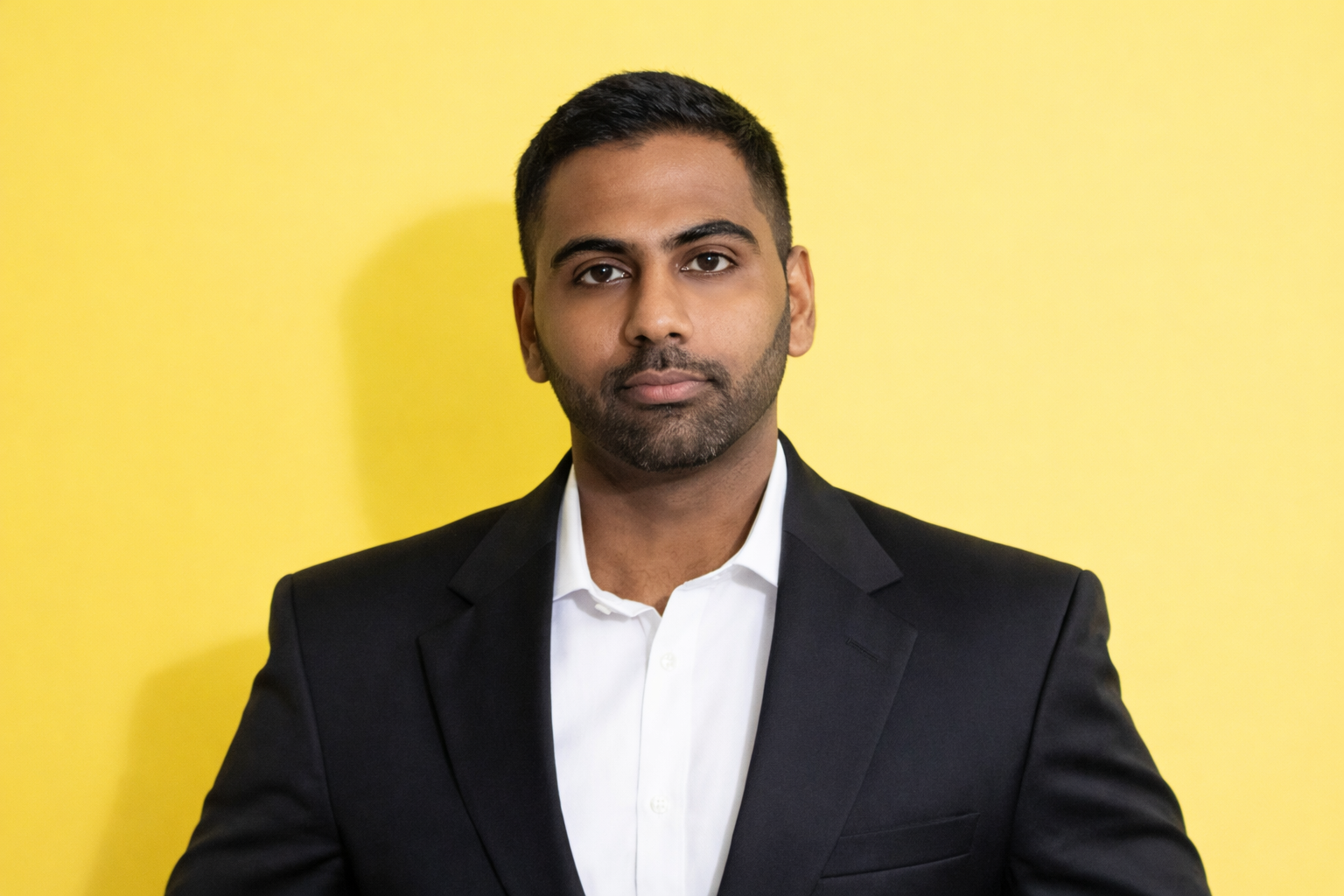
When Abhi Ramesh launched Misfits Market, the idea was simple enough for almost anyone to understand right away. Grocery stores reject a huge amount of food for reasons that often have nothing to do with taste or quality. A carrot may be too small. An apple may look a little uneven. A box may have the wrong label. Perfectly good food gets pushed aside long before it reaches a shopper.
That simple problem gave Misfits Market its first big opening. The company started by selling produce that looked unusual but was still fresh and usable. It was a smart idea, but what makes the story more interesting is what happened next. Abhi Ramesh did not stop at building a brand around ugly produce. He used that starting point to build a much bigger grocery business with a wider assortment, a stronger supply chain story, and a clearer value proposition for everyday shoppers.
Today, Misfits Market is not just known for imperfect fruits and vegetables. It has grown into a broader online grocery platform that gives customers access to pantry items, proteins, snacks, dairy, bakery products, household goods, and more. That shift is what turned a clever startup idea into a serious business story.
Why Abhi Ramesh Started Misfits Market
The early appeal of Misfits Market came from a real weakness in the food system. A surprising amount of edible food never makes it to consumers because it does not meet cosmetic standards or because it falls outside traditional retail expectations. That waste creates problems for farmers, suppliers, and shoppers at the same time.
Abhi Ramesh saw that inefficiency as both a business opportunity and a mission. Instead of treating surplus and imperfect food like a side category, he built a company around the idea that there was value hiding in plain sight. That made the brand feel practical from day one. It was not asking customers to buy into a vague lifestyle message. It was offering food people could use while also solving a visible problem.
That is one reason the company connected with shoppers early. The pitch was easy to grasp. Save money. Help reduce waste. Get groceries delivered. In a crowded e-commerce world, that kind of clarity matters.
How Ugly Produce Became a Strong Starting Point
A lot of founders talk about disruption, but Abhi Ramesh began with something much more concrete. He took a product that traditional grocery channels overlooked and built a customer-facing story around it. Ugly produce worked because it was memorable, but it also worked because it revealed a deeper truth about how the food supply chain operates.
That gave Misfits Market an identity that felt different right away. It was not trying to outdo supermarkets by copying them. It was starting where the old system was weakest. Consumers could immediately see the contrast. If a cucumber looked a little odd but tasted the same, why should it go to waste?
That question helped the brand stand out, but it also gave the company room to grow. Once shoppers trusted the mission, Misfits Market could introduce them to a bigger vision. The ugly produce angle got attention. The broader grocery model is what turned attention into staying power.
How Misfits Market Turned a Mission Into Real Customer Demand
Mission alone does not build a durable business. Plenty of brands have a good message and still fail to keep customers. What helped Misfits Market move forward was the way it connected that message to everyday grocery needs.
For many shoppers, sustainability only becomes part of the routine when it also feels convenient and affordable. Misfits Market understood that early. It did not frame food waste reduction as a lecture. It made it part of a better shopping experience. Customers could feel like they were making a smarter choice without feeling like they were sacrificing convenience.
That matters more than it might seem. Grocery shopping is not a once-in-a-while purchase. It is repetitive, practical, and deeply tied to household budgets. If a business wants to become part of that routine, it has to earn repeat behavior. The company did that by making the offer useful, not just admirable.
How Abhi Ramesh Expanded Misfits Market Beyond Produce
This is where the story becomes much bigger than a startup with a catchy concept. Abhi Ramesh understood that produce alone would not be enough if the goal was to build a stronger, more complete grocery business. Customers may enjoy getting fresh fruits and vegetables delivered, but long-term retention often improves when they can buy more of their weekly essentials in one place.
That is why Misfits Market expanded beyond produce into a wider online grocery assortment. Over time, the platform added pantry staples, meat, seafood, dairy, snacks, bakery items, and household essentials. This changed how the brand fit into consumers’ lives. It was no longer just a specialty service for rescued produce. It was becoming a practical option for routine grocery shopping.
That shift also changed how the company could grow. A broader basket means more reasons for customers to return, more opportunities to raise order value, and a stronger argument that Misfits Market belongs in the mainstream grocery conversation.
Building a More Complete Grocery Basket
One of the biggest challenges in online grocery is becoming useful often enough. If customers only come to a platform for one narrow category, the relationship stays limited. But when they can fill more of their cart with essentials, the service becomes more embedded in their routine.
Misfits Market benefited from exactly that dynamic. Once shoppers came for produce, the company had the chance to introduce them to a fuller grocery mix. That made the business more resilient and the customer relationship more valuable. It also helped move the brand away from being seen as a novelty.
Keeping Affordability at the Center
A lot of mission-driven brands become less compelling once they scale because prices drift away from the original promise. Misfits Market worked hard to keep affordability central to the business story. That mattered because grocery customers are highly price sensitive, especially when inflation and household costs are top of mind.
Abhi Ramesh did not build the brand around guilt or idealism alone. He built it around value. That choice gave Misfits Market a stronger foundation. People may like the mission, but they stay for the savings, the convenience, and the sense that the service fits into real life.
The Supply Chain Advantage Behind Misfits Market’s Growth
Another reason the company stands out is that it was built around a supply chain insight, not just a marketing angle. Abhi Ramesh recognized that many products fall outside traditional retail channels for reasons that have little to do with demand or quality. By sourcing differently and creating a channel for those goods, Misfits Market positioned itself around inefficiency in the system.
That is important because businesses built on real operational logic often have more room to grow than businesses built only on branding. The company was not simply repackaging grocery delivery in a nicer voice. It was trying to unlock inventory that might otherwise go unsold and connect it to customers who wanted better prices.
That mix of sourcing, fulfillment, pricing, and mission gave the company a stronger identity. It also made it easier for the brand to talk about waste reduction in a credible way. The business model itself supported the message.
How Private Label Helped Misfits Market Grow Up
A clear sign that Misfits Market was evolving beyond its early startup phase came with the launch of Odds & Ends, its private label line. This move mattered because private label is often where a grocery business starts acting more like an operator and less like a niche marketplace.
Private label can improve margins, create stronger brand recognition, and give customers more reasons to stay loyal. It also allows a company to shape quality, price, and product selection more directly. For Misfits Market, Odds & Ends showed that the business was thinking beyond rescued produce and into the broader mechanics of grocery retail.
That kind of move may not grab headlines the same way a flashy launch does, but it says a lot about maturity. It suggests the company was building for the long run, not just riding the novelty of its original concept.
What the Imperfect Foods Acquisition Changed
A major turning point came when Misfits Market acquired Imperfect Foods in 2022. On the surface, the deal looked like a combination of two companies with similar missions. But the bigger story was about scale.
For Abhi Ramesh, the acquisition helped push Misfits Market further into the national online grocery conversation. It brought together two businesses that had both built awareness around food waste, alternative sourcing, and direct delivery. That kind of move does more than add customers. It can expand reach, strengthen logistics, and sharpen market position.
The deal also signaled that Misfits Market had moved beyond startup experimentation. It was now acting like a consolidator in its category. That is a different level of ambition. Instead of simply competing within a niche, the company was shaping what the niche might become.
Why the Deal Mattered for the Next Phase
The acquisition helped reinforce the idea that Misfits Market was no longer just the ugly produce company many people first heard about. It was becoming a more complete grocery platform with a larger footprint and a stronger role in how consumers think about value-driven grocery delivery.
That matters for brand perception as much as business growth. People may discover a company through one strong idea, but long-term success often depends on whether the company can grow beyond the first thing it became known for. Misfits Market did that by broadening its offer while staying close to its original mission.
How The Rounds Fit Into the Bigger Vision
The later addition of The Rounds added another interesting layer to the story. By bringing in a business associated with recurring household restocking and low-waste delivery habits, Misfits Market showed that it was still thinking about how to deepen its role in everyday household shopping.
This matters because the grocery space is not just about food anymore. Convenience, repeat purchasing, and sustainable delivery habits all shape how people choose where to shop. The move suggested that Abhi Ramesh was still expanding the company’s vision, not freezing it around its earliest success.
In that sense, The Rounds fit naturally into the broader Misfits Market strategy. It supported the same themes that helped the company grow in the first place: accessibility, waste reduction, convenience, and a smarter approach to routine buying.
What Made Abhi Ramesh’s Leadership Stand Out
What stands out about Abhi Ramesh is not only that he found a clever entry point into the grocery market. It is that he kept building after the first idea worked. Many founders get trapped by the story that made them famous. He used that story as a launchpad instead.
He understood how to keep the mission visible while moving the company into a wider and more practical category. That balance matters. If the company had moved too far from its roots, it could have lost the identity that made it special. If it had stayed too narrow, it might have struggled to scale. The growth of Misfits Market suggests he managed that tension well.
It also shows a useful lesson for modern consumer brands. A memorable concept can open the door, but real business growth usually comes from stronger systems, broader relevance, and repeat customer value. Misfits Market did not become more interesting by abandoning its original mission. It became more durable by turning that mission into a fuller grocery model.
What Misfits Market’s Growth Says About the Future of Grocery
The rise of Misfits Market says a lot about what modern grocery shoppers want. Price still matters. Convenience still matters. Product range matters. But more consumers also want a story that feels responsible and grounded in something real.
That does not mean every grocery company needs to start with ugly produce. It does mean the next generation of strong consumer brands will likely grow by solving visible problems in practical ways. Abhi Ramesh built Misfits Market around that kind of logic. He found waste in the system, turned it into an accessible offer, and then expanded the business until it looked like something much larger than the original pitch.
That is what makes the company worth studying. It is not just a feel-good startup story. It is a clear example of how a focused idea, when paired with operational thinking and patient expansion, can turn into a full grocery business.