Advertising has never had a shortage of tools. Most marketing teams already have dashboards for analytics, platforms for paid media, software for creative work, spreadsheets for planning, and agency partners for execution. The problem is that all of these pieces often sit in different places. Campaign ideas move slowly. Reporting comes after the money has already been spent. Creative testing can take days or weeks. Teams end up spending as much time managing the process as they do improving the results.
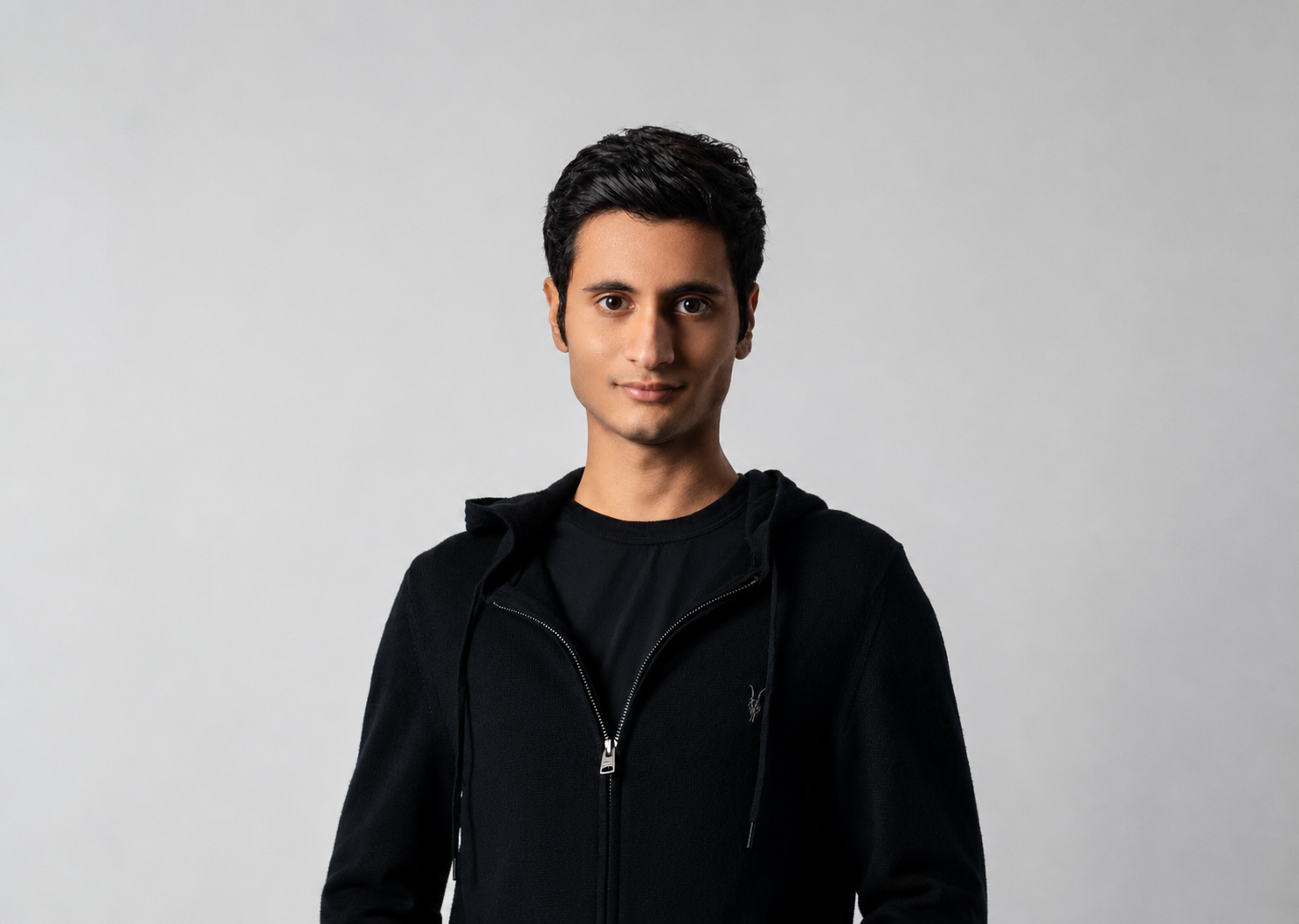
That is the gap Bolbi Liu is trying to close with AdsGency AI.
As the founder and CEO of AdsGency, Liu is building a platform that aims to turn the scattered world of digital advertising into a more connected, AI-powered workflow. Instead of acting like a simple ad copy tool or another media dashboard, AdsGency AI is positioning itself as an agentic advertising operating system. The idea is straightforward but ambitious. Brands should be able to plan campaigns, create assets, launch ads, track performance, and optimize results without being buried under disconnected tools and slow agency handoffs.
That vision is what makes Bolbi Liu’s work interesting. She is not just entering the adtech market with another automation feature. She is challenging one of the oldest habits in marketing: the belief that brands need a large, layered agency structure to run serious advertising at scale.
Who is Bolbi Liu
Bolbi Liu is the founder and CEO of AdsGency AI, a San Francisco based startup focused on agentic AI for advertising. Her work sits at the intersection of adtech, MarTech, performance marketing, AI agents, and workflow automation.
What makes her founder story stand out is the market she chose to tackle. Advertising is a crowded space. There are already tools for media buying, creative production, customer data, analytics, social ads, search ads, and retail media. But Liu’s bet is that the real opportunity is not another single-purpose tool. The bigger opportunity is a system that can connect the work.
Modern advertisers do not only need faster copy. They need faster decisions. They need clearer attribution, more useful creative testing, smarter audience targeting, and real-time campaign optimization. They need a way to understand what is working across Google Ads, Meta, TikTok, LinkedIn, Amazon Ads, Reddit, and other channels without jumping between too many dashboards.
That is where AdsGency AI comes in. Liu’s company is built around the idea that AI can do more than generate content. It can help manage the actual advertising workflow.
What AdsGency AI is building for modern advertisers
AdsGency AI describes itself as a platform that brings ad creation, targeting, automation, analytics, and campaign optimization into one place. In simpler terms, it wants to help advertisers move from idea to execution faster.
A brand can bring in its assets, goals, customer information, and campaign direction. From there, AdsGency aims to help with planning, creative development, ad placement, live analytics, and ongoing optimization. This is why the company is often described in the language of an operating system rather than a single marketing app.
That distinction matters. A basic AI ad tool might help a marketer write five versions of a headline. A more advanced creative tool might generate visuals or copy angles. AdsGency AI is going after a wider workflow. It wants to sit closer to the center of paid acquisition, where strategy, creative, media buying, data, and performance analysis all meet.
For growth teams, that could mean fewer delays between spotting a campaign problem and acting on it. For founders and smaller teams, it could mean running more structured advertising without hiring a large agency. For enterprise marketers, it could mean a more connected layer across paid channels, first-party data, and performance reporting.
Why traditional ad agencies are facing pressure from AI platforms
Traditional ad agencies are not disappearing. Strong agencies still bring strategy, creative taste, brand judgment, cultural awareness, and deep media experience. But the old agency model is under pressure because many parts of advertising have become more data-heavy, more fragmented, and more time-sensitive.
A brand may need one team to build strategy, another to create assets, another to manage paid media, another to analyze performance, and another to prepare reports. Each handoff adds time. Each tool creates another place where data can get stuck. Each delay makes it harder to respond while a campaign is still live.
Performance marketing does not reward slow feedback loops. If a campaign is wasting budget, teams need to know quickly. If one creative angle is outperforming another, they need to scale it while the signal is fresh. If a customer segment is converting better than expected, the media plan may need to shift before the opportunity fades.
This is where AI platforms can challenge the agency model. They can automate repeated tasks, read performance signals faster, generate creative variations, help with audience segmentation, and suggest next steps based on live data. That does not remove the need for human judgment. It changes where human judgment is used.
Instead of spending hours moving numbers between reports or waiting for basic creative changes, marketers can focus on strategy, positioning, brand voice, and bigger growth decisions.
How AdsGency AI brings strategy creative and analytics into one workflow
The strongest part of AdsGency’s positioning is its full-workflow approach. The platform is not only talking about creative output. It is talking about the chain of work that starts before a campaign goes live and continues after the first results come in.
AI powered campaign planning
Campaign planning usually begins with goals, audience research, budget decisions, message direction, and channel selection. In a traditional setup, this may involve meetings, briefs, spreadsheets, and several rounds of approval.
AdsGency AI is trying to make that stage more structured and more automated. By using AI agents, the platform can support planning around markets, audiences, channels, and campaign objectives. This gives advertisers a faster starting point while still leaving room for human review.
For brands that run frequent campaigns, this matters. The faster a team can move from goal to plan, the faster it can begin testing real market signals.
Creative generation and testing
Creative is one of the biggest bottlenecks in advertising. A campaign may need different hooks, headlines, visuals, copy lengths, formats, and platform-specific variations. What works on TikTok may not work on LinkedIn. What works in a search ad may not work in a paid social feed.
AdsGency aims to make creative testing easier by helping teams produce and evaluate multiple ad variations. This is important because performance marketing rarely depends on one perfect idea. It depends on testing many ideas, learning quickly, and pushing more budget toward what works.
AI creative generation can help teams get more options on the table. The real value, though, comes when creative output connects back to performance data. That is where AdsGency’s broader workflow becomes more useful than a standalone copy generator.
Omnichannel ad execution
Modern paid advertising is spread across many platforms. Brands may run campaigns across Google, Meta, Instagram, Facebook, TikTok, Reddit, Pinterest, Amazon, and other channels. Each platform has its own format, rules, targeting options, bidding logic, and reporting style.
Managing that manually can become messy fast. An omnichannel workflow helps teams keep the campaign direction consistent while adapting execution for each platform.
AdsGency AI is built around that kind of complexity. The company’s pitch is not just that it can help create ads. It is that it can help advertisers manage the moving parts of paid media in one connected system.
Real time analytics and optimization
Reporting is often where the old agency model feels slowest. A team may receive a weekly report after several days of spend have already passed. By then, the best optimization window may be gone.
AdsGency focuses on live analytics and continuous optimization. That means the platform is designed to help advertisers see performance signals earlier and respond faster. In paid acquisition, that can affect ROAS, CAC, conversion rate, budget allocation, and campaign learning speed.
Real-time analytics are not useful just because they look impressive on a dashboard. They are useful when they lead to better decisions. The promise of AdsGency AI is that campaign data can feed directly into the next creative test, audience adjustment, or budget shift.
Why agentic AI could change paid marketing
The phrase agentic AI matters because it points to a shift in how software is used. Earlier AI marketing tools mostly waited for a prompt. A user asked for copy, a subject line, a content idea, or a summary. Agentic AI goes further. It can be designed to take steps across a workflow, follow goals, use tools, analyze signals, and recommend or trigger actions.
Advertising is a natural fit for this type of AI because campaigns are full of repeatable tasks and measurable feedback. A paid media workflow includes planning, creative production, audience selection, launch setup, bidding, tracking, testing, reporting, and optimization. Many of these steps involve patterns that software can assist with.
For Bolbi Liu, this creates a clear product opportunity. If AI agents can handle more of the operational layer, advertisers can spend less time managing the machinery of campaigns and more time improving the message, offer, and customer experience.
That is also why AdsGency AI is more threatening to traditional agencies than a normal adtech tool. It does not only replace a small task. It questions how much of the agency workflow needs to remain manual.
What makes AdsGency AI different from basic AI ad tools
The AI marketing space is crowded, and many tools sound similar at first. A lot of platforms promise faster ad copy, better creative ideas, or automated campaign suggestions. AdsGency AI is trying to stand apart by focusing on the full paid advertising system.
A basic AI ad tool may help with one part of the job. AdsGency wants to connect several parts of the job at once.
That includes AI ad creation, audience targeting, campaign automation, media buying, performance tracking, predictive analytics, and ROAS optimization. It also includes the use of customer data and campaign signals to improve decisions over time.
This connected approach is important because advertising results rarely come from one isolated action. A great headline will not fix poor targeting. Strong targeting will not save weak creative. Good reporting is not enough if the team cannot act on it quickly. Paid marketing works best when strategy, creative, channel execution, and analytics feed into each other.
That is the problem Bolbi Liu appears to be building around. AdsGency AI is not trying to be another small tool inside the marketing stack. It is trying to become the layer that makes the stack easier to use.
How Bolbi Liu is turning advertising complexity into a software opportunity
The success of Bolbi Liu and AdsGency is tied to a simple truth about modern marketing. The more channels brands use, the harder the workflow becomes.
A direct-to-consumer brand may need paid social, search, creator-style videos, landing page testing, customer segmentation, retargeting, and weekly budget shifts. A B2B company may need LinkedIn campaigns, search ads, account-based targeting, lead quality analysis, and sales pipeline reporting. A retail brand may need marketplace ads, product feeds, seasonal campaigns, and creative testing across multiple customer groups.
In each case, the challenge is not only creating an ad. The challenge is managing a system that keeps changing.
AdsGency AI turns that complexity into a software opportunity. If the platform can reduce the number of manual steps, connect the data, and help teams make faster decisions, it can create real value for advertisers.
This is why Liu’s work fits into the bigger rise of AI-native business tools. Companies are no longer excited by AI only because it can write text. They want AI that can help run workflows. They want systems that can understand goals, use data, and support action.
The funding story behind AdsGency AI
Investor interest around AdsGency AI shows that agentic advertising is becoming a serious category. The company raised a $12 million seed round led by XYZ Venture Capital, with total funding reported at $15 million. That level of backing gives the startup room to build its engineering team, strengthen its go-to-market motion, and compete in a busy adtech market.
The funding also says something about where investors believe marketing software is heading. The next wave of adtech may not be defined by another dashboard or another creative generator. It may be defined by systems that combine data, automation, and decision support across the whole paid media process.
For Bolbi Liu, the funding is not the story by itself. The more important story is what it allows AdsGency to attempt. Building an agentic operating system for advertisers requires product depth, platform integrations, trust, security, and enough performance proof to convince brands to move away from familiar workflows.
What brands could gain from an AI powered advertising operating system
For brands, the appeal of AdsGency AI is practical. Most marketing teams are not looking for AI because it sounds futuristic. They are looking for anything that helps them move faster, waste less budget, and understand performance more clearly.
An AI powered advertising operating system could help with faster campaign launches. It could reduce manual reporting. It could make creative testing easier. It could help teams use first-party data more effectively. It could support stronger audience segmentation, cleaner performance tracking, and quicker budget decisions.
For smaller companies, this could offer access to capabilities that once required a larger agency or a bigger internal team. For enterprise advertisers, it could help simplify campaign operations across regions, teams, channels, and customer segments.
The key word is “could.” Advertising is too complex for any platform to guarantee easy wins. Market conditions, product quality, brand positioning, creative strength, budget size, and customer demand all matter. But a platform like AdsGency AI can still improve the workflow around those decisions.
That is where the real value may sit. Not in replacing every marketer or every agency, but in removing the slow operational drag that keeps teams from acting on what they already know.
The challenges AdsGency AI still has to prove
The opportunity is large, but AdsGency AI still has to prove itself in a demanding market.
Advertising involves money, brand reputation, customer data, and platform rules. AI-driven systems need to be transparent enough for teams to trust their recommendations. Brands need to understand why a campaign is being adjusted, why a creative direction is being tested, or why budget is moving from one channel to another.
There are also important questions around data privacy, brand safety, ad fraud detection, attribution accuracy, and platform dependency. Companies like Google, Meta, TikTok, and Amazon control much of the advertising environment. Any platform working across those channels has to keep up with changing rules, formats, privacy updates, and measurement limits.
Another challenge is trust. Many brands already have long relationships with agencies. Even if an AI platform is faster, companies may still want human strategic guidance, creative judgment, and accountability. AdsGency will need to show that its platform can deliver real performance while fitting into how marketing teams actually work.
That balance matters. The strongest AI tools in advertising will not be the ones that pretend humans are unnecessary. They will be the ones that make talented teams sharper, faster, and more focused.
Why Bolbi Liu’s work matters for the future of adtech
Bolbi Liu’s work with AdsGency AI matters because it reflects a broader shift in software. AI is moving from content generation into business execution. In marketing, that means AI is no longer limited to writing headlines or summarizing reports. It is starting to support the full campaign lifecycle.
That shift could reshape how brands think about agencies, internal teams, and marketing technology. Instead of choosing between hiring more people, buying more tools, or outsourcing more work, companies may look for AI systems that connect the process from end to end.
AdsGency AI is one example of that new direction. It is built around the belief that paid advertising can become more automated, more measurable, and more adaptive. If Liu’s company succeeds, it could help redefine what brands expect from both adtech platforms and agency partners.
The traditional ad agency model was built for a slower world of planning cycles, creative approvals, and scheduled reporting. Today’s advertisers need speed, data, testing, and constant optimization. Bolbi Liu is building AdsGency for that new reality.