Hiring has changed, but for many people it still feels stuck in an old loop. Job seekers keep polishing resumes, uploading the same work history into different systems, and waiting for a reply that may never come. Employers post openings, receive piles of applications, and still struggle to understand who is actually right for the role.
That gap is where Jeff Taylor is trying to build again.
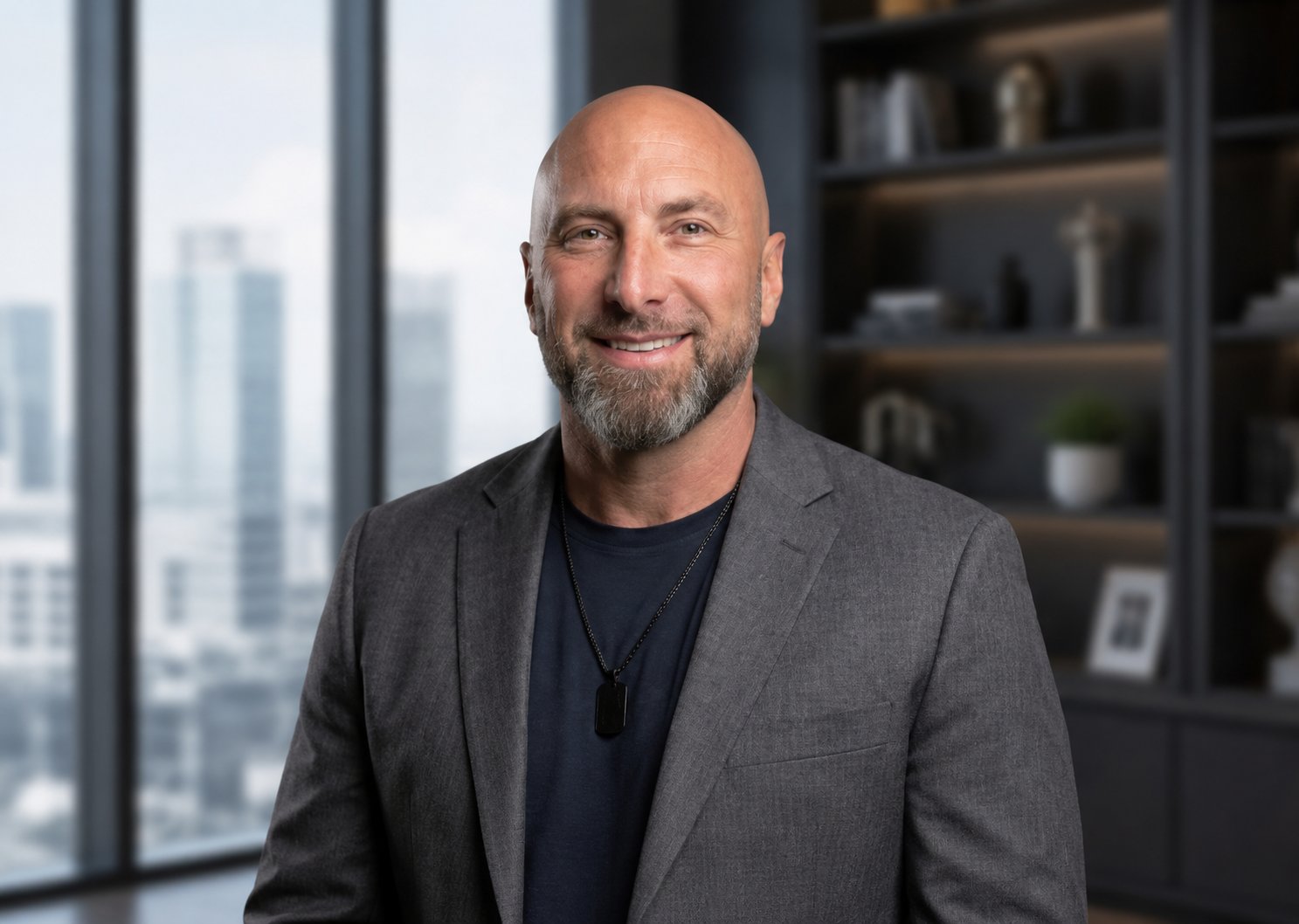
Taylor is widely known as the founder of Monster.com, one of the companies that helped move job search from newspaper classifieds to the internet. Now, years after helping shape the first big era of online recruiting, he is back with Boomband, an AI-native talent marketplace built around a simple but ambitious idea: people are more than resumes, and hiring should see more than job titles and keywords.
Boomband is not being framed as another job board with a cleaner design. It is being built around richer career profiles, AI-powered matching, and a new way for job seekers to show their full story. At the center of that idea is the Boomband Dossier, a profile that can include skills, passions, side hustles, projects, goals, and the kind of details that rarely fit neatly into a traditional resume.
For Jeff Taylor, this is more than a second act in recruiting technology. It is a chance to question the same hiring system that online job boards helped popularize and to build something that feels more useful for a world shaped by AI, flexible work, portfolio careers, and personal branding.
Who is Jeff Taylor and why his hiring story still matters
Jeff Taylor matters in the hiring conversation because he was early to one of the biggest shifts in employment history. With Monster.com, he helped bring job search online at a time when the internet was still new to many workers and employers. The idea was powerful for its time: put jobs online, let candidates search faster, and give companies a wider way to reach talent.
That model changed recruiting. It made job listings easier to find and gave millions of people a new way to explore career opportunities. But the system also created new problems over time. As online job boards grew, hiring became faster, broader, and more searchable, but not always more personal. Candidates became profiles in a database. Resumes became keyword documents. Employers got access to more people, but not always better signals.
This is why Taylor’s return with Boomband feels interesting. He is not coming into hiring as an outsider criticizing the system from a distance. He helped build one version of it. Now he is trying to build a different version for a very different work world.
That makes the Jeff Taylor Boomband story more than a founder profile. It is also a story about how recruiting technology keeps reinventing itself when the old tools stop matching the way people actually work.
From Monster.com to Boomband
The move from Monster.com to Boomband says a lot about how much the job market has changed.
Monster.com belonged to the first major wave of online job search. It solved a discovery problem. Instead of scanning local listings or relying only on networks, people could search jobs online. Companies could post roles where a wider pool of candidates could find them.
Boomband is trying to solve a different problem. Today, discovery is not the only issue. There are plenty of platforms, listings, alerts, and applicant tracking systems. The harder question is whether the right people and the right opportunities can actually find each other with enough context.
A resume can tell a company where someone worked. It may show a degree, a list of responsibilities, and a few measurable wins. But it often leaves out the parts that explain how someone thinks, what they are building on the side, what kind of environment helps them do their best work, and what skills they have developed outside a conventional job title.
That is the space Boomband wants to enter. Instead of treating hiring like a transaction based on a static resume, it is trying to make talent discovery more dynamic. The company’s language around Dossiers, Arena, and AI-powered matching points to a broader goal: turn job search into a richer marketplace where people can be seen more fully.
The problem Boomband is trying to solve
Modern hiring can feel broken from both sides.
For job seekers, the process often feels cold. A person may spend hours tailoring a resume, only to be filtered out by a keyword mismatch. Someone with strong practical skills may be ignored because their background does not follow a traditional path. A career changer may have the right potential but not the exact job title an algorithm is looking for.
For employers, the problem is different but just as real. Recruiters and hiring managers can receive hundreds of applications for a single role. More applicants do not always mean better matches. In many cases, companies are dealing with too much noise, too many generic resumes, and too little meaningful context.
The result is frustration. Candidates feel invisible. Employers feel overwhelmed. Recruiters are asked to move quickly while still making thoughtful decisions. Hiring tools promise efficiency, but the experience can still feel confusing and impersonal.
Boomband is trying to challenge that old pattern. Its core message is that hiring should not depend only on resumes, job postings, and keyword filters. It should help people show who they are, what they can do, and where they might fit.
That idea is especially relevant now because work itself is becoming less linear. Many people build skills through freelancing, creator work, side hustles, contract roles, online learning, community projects, and portfolio work. A traditional resume may not capture that full picture. A richer career profile might.
What Boomband is and how it works
Boomband describes itself as a human-first, AI-native talent platform. In simple terms, it is a talent marketplace designed to connect people and opportunities through richer profiles and smarter matching.
The most important piece of the platform is the Dossier. Boomband presents the Dossier as a personal brand platform that captures a person’s whole story. That can include professional experience, skills, passions, side projects, interests, and other details that help explain the person behind the resume.
This matters because hiring has often treated candidates as flat documents. A Dossier is meant to act more like a living career home base. It can grow as the person grows. It can show more texture than a list of previous roles. It can also support people whose experience does not fit into a neat corporate timeline.
Boomband also uses AI-powered matching and a discovery environment called Arena. The broader idea is to help job seekers, mentors, peers, hiring teams, and employers connect around better information. Instead of a company simply posting a job and waiting for resumes, Boomband wants to create a space where talent can be discovered in a more active and personal way.
That is why the platform feels less like a classic job board and more like a mix of talent marketplace, personal brand platform, professional profile, and AI recruiting tool.
Why the Boomband Dossier matters
The Boomband Dossier is important because it speaks to one of the biggest weaknesses in traditional hiring: resumes are too small for modern careers.
A resume usually rewards people who know how to format their experience in a familiar way. It favors clean titles, recognized companies, linear progress, and easy-to-scan achievements. That can work well for some candidates, but it can hide others.
Think about a young professional who has built a strong online community, completed multiple technical projects, and helped a small business grow through freelance work. Think about a parent returning to the workforce after years of unpaid leadership and operational work at home. Think about a retail worker who learned customer psychology, team coordination, and sales under pressure, but does not know how to translate those skills into corporate language.
A static resume can flatten those stories. A Dossier has the potential to make them visible.
For job seekers, that could mean a stronger digital identity. For employers, it could mean a better view of real ability, motivation, and cultural fit. For recruiters, it could mean less guessing and more context before reaching out.
This is where Jeff Taylor seems to be aiming Boomband’s larger message. The platform is not only about getting people hired faster. It is about helping them be understood better.
How Jeff Taylor is using AI without removing the human side of hiring
AI is already changing hiring, but not always in ways people trust. Many candidates worry that AI makes the process even less human. They wonder if a machine is rejecting them before a real person ever sees their story. Employers, meanwhile, want AI to reduce workload without creating unfair or shallow decisions.
Boomband is entering that tension with a human-first message. The company is using AI as part of the matching and discovery process, but its public positioning is built around restoring humanity in hiring, not replacing people with automation.
That distinction matters.
AI can help organize information, identify patterns, and surface possible matches faster than a manual process. It can help candidates shape their profiles and express interest in opportunities. It can also help employers move beyond basic keyword searches.
But hiring still needs trust. It still needs judgment. It still needs context, conversation, and a sense of whether a person and a company are right for each other. A platform like Boomband has to prove that AI can support those human decisions rather than erase them.
That is one reason the Dossier concept is important. If AI is working with richer, more personal information, the matching process may become more useful than a simple resume scan. The promise is not just faster recruiting. The promise is better understanding.
Why Boomband could appeal to job seekers
For job seekers, Boomband may appeal because it speaks to a feeling many people already have: their resume does not tell the full story.
A resume can feel especially limiting for people who have changed industries, taken career breaks, built side projects, worked in gig roles, or learned valuable skills outside a formal job. It can also be frustrating for early-career workers who have talent and ambition but not enough traditional experience to pass resume filters.
Boomband’s Dossier gives those people a wider space to present themselves. It can support skills, interests, passions, work history, projects, and personal brand stories. That makes it more flexible than a standard resume.
It may also help job seekers think more clearly about their own career identity. Instead of only asking, “What jobs have I had?” they can ask, “What am I good at, what have I built, what do I care about, and where could I add value?”
That shift is important in an AI-driven job market. As more applications become automated and more resumes start to look similar, job seekers need ways to show depth, personality, and proof of ability. A stronger talent profile can help them stand out without relying only on keywords.
Why employers may care about Boomband
Employers do not just need more applicants. They need better signals.
That is the problem many recruiting teams face today. A job posting can bring in hundreds of responses, but the volume can make hiring harder instead of easier. Hiring managers still need to know who has the right skills, who understands the work, who is motivated, and who may fit the team.
Boomband could be useful to employers because it aims to give them a fuller view of candidates earlier in the process. A Dossier may show more than past job titles. It may reveal projects, communication style, personal interests, side work, and career direction. That kind of context can help employers make more thoughtful decisions.
The platform’s AI-powered matching may also help reduce noise. If Boomband can connect employers with people who are genuinely aligned with the opportunity, it could save time for recruiters and improve the candidate experience at the same time.
This is also where skills-based hiring becomes relevant. More companies say they want to look beyond degrees and traditional credentials. But to do that well, they need better ways to understand skills. A richer profile can help bridge that gap.
The role of Boomband’s seed funding
Boomband gained more attention when it announced a $4 million seed round. The round was reported as being led by Boston Seed, with participation from Slater Technology Fund, Rogue Venture Partners, and Service Provider Capital.
For a young company, that funding matters because it gives Boomband room to build, launch, test, and expand. It also shows that investors see opportunity in a hiring market that many people agree needs change.
The company has been positioned for an initial launch in New England, with broader U.S. expansion planned after that. That regional start makes sense for a platform that needs both job seekers and employers to participate. Talent marketplaces often need trust and density before they can scale.
The funding also adds credibility to the Jeff Taylor Boomband story. Taylor’s past success with Monster.com already gives the company a strong narrative. Investor backing gives that narrative more weight as Boomband tries to move from idea to adoption.
What makes Jeff Taylor’s Boomband story a success angle
The success angle in this story is not only that Jeff Taylor once built Monster.com. It is that he is still trying to solve hiring problems decades later.
Many founders are remembered for one major company. Taylor’s story is different because he is returning to the same broad industry with a fresh view of what has changed. The old job board model helped open up access to jobs online. But today’s workers and employers need more than access. They need relevance, context, and trust.
That makes Boomband a story of reinvention. Taylor is not simply repeating the Monster.com playbook. He is trying to move beyond it.
In that sense, Boomband reflects a founder looking at the system he helped shape and saying it needs a new layer. The resume had its place. The job board had its place. But modern careers are more complex, and hiring needs tools that can show that complexity in a useful way.
That is why this topic works well for an achievement-focused article. It connects Taylor’s past success with his current ambition. It also gives readers a wider story about how hiring technology is moving from listings and resumes toward AI-powered talent marketplaces and richer career identities.
The bigger shift from job boards to talent marketplaces
The rise of Boomband fits into a larger shift in recruiting. Hiring is moving away from simple job listings and toward platforms that try to understand both sides of the match.
Old job boards were built around search. A company posted a job. A candidate searched or applied. The process was useful, but it was often one-dimensional.
Talent marketplaces are different. They are built around matching, discovery, signals, profiles, and relationships. They try to understand what a candidate can do and what an employer actually needs. They also reflect the fact that career paths are no longer as predictable as they once were.
Today, a person may be an employee, freelancer, creator, consultant, student, and founder at different points in the same year. They may build a portfolio across platforms. They may learn through online courses, open-source work, short contracts, or community projects. A traditional resume can struggle to keep up with that reality.
This is why tools like Dossiers, professional profiles, personal brand platforms, and AI-powered hiring systems are gaining attention. They aim to make talent discovery more complete.
For employers, the shift is about finding better matches. For job seekers, it is about being seen as more than a list of titles. For recruiting technology, it is about moving from databases to deeper context.
Challenges Boomband may need to overcome
Boomband has a strong story, but changing hiring behavior is difficult.
Resumes are deeply embedded in the hiring process. Employers, recruiters, applicant tracking systems, and candidates all know how resumes work, even when they dislike them. Asking the market to adopt a new format means Boomband will need to prove that Dossiers are not just more interesting, but more effective.
The company will also need trust around AI. Candidates need to feel that the platform represents them accurately. Employers need to trust that matching is useful. Recruiters need to understand how the system helps them rather than adding another layer of work.
There is also the marketplace challenge. Boomband needs job seekers, employers, mentors, and hiring teams to participate. A talent marketplace becomes more valuable as more high-quality users join, but getting both sides active takes time.
Competition is another factor. Recruiting technology is crowded. LinkedIn, job boards, applicant tracking systems, AI recruiting startups, staffing platforms, freelance marketplaces, and professional communities all touch some part of the hiring journey. Boomband will need a clear reason for people to use it regularly.
Still, these challenges do not weaken the story. They make it more realistic. Any company trying to rethink resumes and job boards has to face the habits that made those tools so durable in the first place.
Why Jeff Taylor’s work with Boomband is worth watching
Jeff Taylor is worth watching because he understands the hiring market from the inside. He has already seen one major recruiting shift happen at internet scale. With Boomband, he is betting that another shift is underway.
This new shift is not just about where jobs are posted. It is about how people are represented, how companies discover talent, and how AI can support better matches without making hiring feel even more impersonal.
Boomband’s promise sits at the intersection of several important trends: AI recruiting, personal branding, skills-based hiring, career identity, talent marketplaces, and the frustration people feel with old hiring systems. That gives the company a timely angle.
If Boomband can help job seekers show their full story and help employers find stronger matches, it could become part of the next wave of hiring technology. More importantly, it could push the industry to think differently about what a candidate profile should be.
For Taylor, that is the real achievement angle. He helped popularize online job search through Monster.com. Now, with Boomband, he is trying to build a more human and more modern answer to the system that came after it.