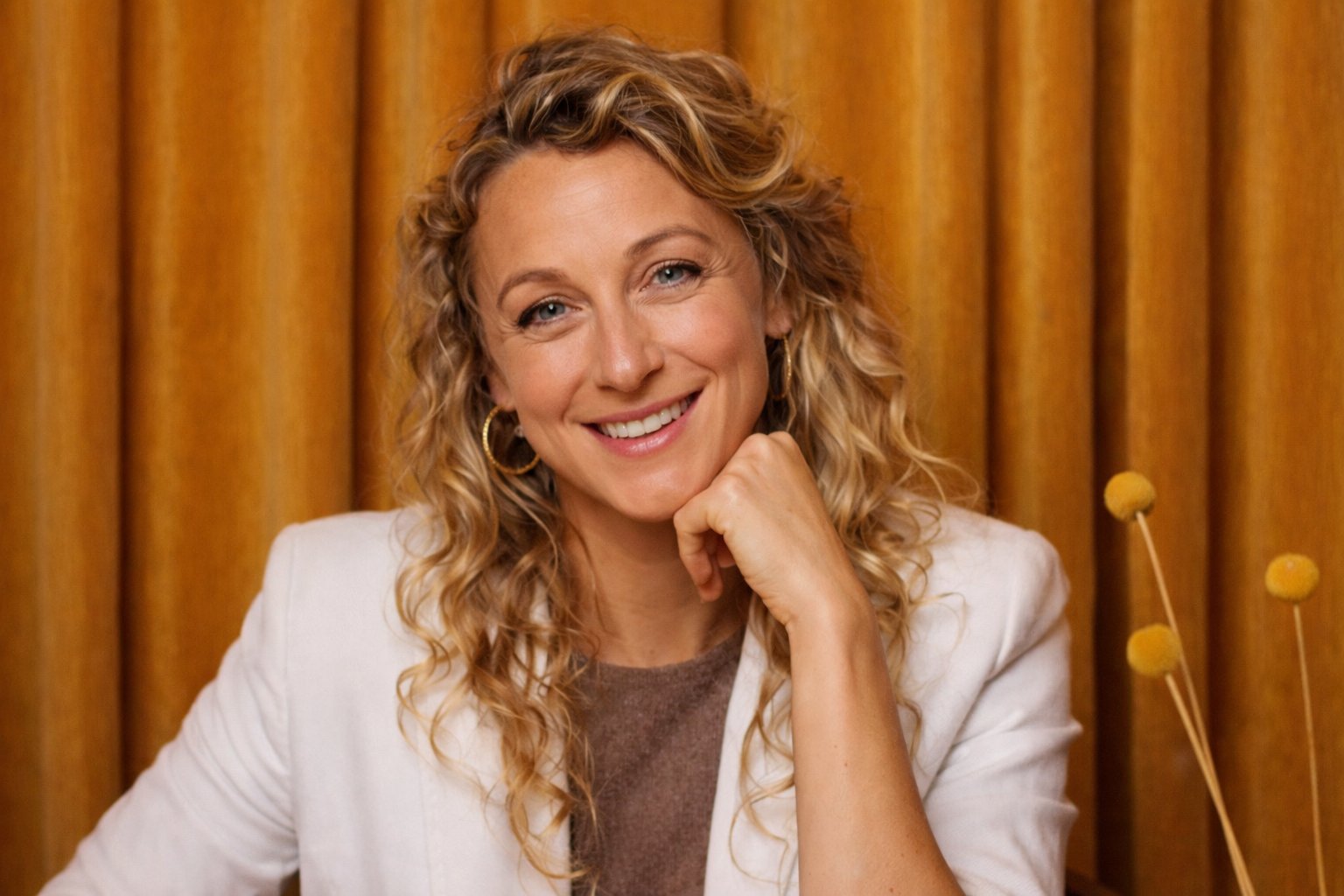
If you have spent any time around wellness drinks over the past few years, you have probably noticed how functional lattes went from being a niche café thing to something people now keep in their kitchens. That shift did not happen by accident. Founders and brands had to take ingredients that once felt unfamiliar, like adaptogens, mushrooms, probiotics, and superfood blends, and make them feel simple, inviting, and worth trying.
That is where Hannah Mendoza and Clevr Blends stand out.
Hannah Mendoza did not build Clevr Blends by chasing hype alone. She helped turn a wellness idea into a product people could actually fit into their daily routine. Instead of asking customers to learn a whole new language of health trends, she built a brand around something familiar: the comfort of a latte. That decision gave Clevr Blends a real edge in a crowded beverage market.
The story of Hannah Mendoza and Clevr Blends is not just about celebrity attention or attractive packaging. It is about taking a product category that could have stayed small and making it feel more mainstream, more practical, and more appealing to everyday consumers.
Who Is Hannah Mendoza and What Is Clevr Blends
Hannah Mendoza is the co-founder and CEO of Clevr Blends, a wellness beverage company known for its instant SuperLattes and SuperTeas. The brand built its reputation around plant-based, oat milk-based drinks that combine café-style flavor with functional ingredients such as adaptogens, probiotics, mushrooms, and botanicals.
What makes Clevr Blends interesting is that it sits in more than one category at once. It is part coffee alternative, part functional beverage brand, and part lifestyle-driven ecommerce business. That blend helped the company stand out. While many wellness brands focus heavily on supplements or powders that feel clinical, Clevr leaned into ritual, taste, and ease.
That made the product easier to understand. People were not being asked to completely change their habits. They were being offered a better-for-you version of a drink they already enjoyed.
How the Idea for Clevr Blends Started
The early idea behind Clevr Blends came from a simple question: what if the daily drinks people already love could do more for them? Hannah Mendoza has spoken about how much daily rituals mattered to her, from coffee to matcha, and how she became interested in adding functional benefits to those routines.
That idea became the foundation of Clevr.
Before the company became known for packaged lattes, it started as a pop-up beverage bar. That early version of the business mattered because it gave Hannah Mendoza and the team a direct connection to real customers. They were not building from a spreadsheet or a trend report alone. They were getting live reactions, hearing what people liked, and learning what made a functional drink feel enjoyable rather than intimidating.
That stage also helped shape the personality of the brand. Clevr did not begin as a cold, overly polished startup. It started with hands-on experimentation, community interaction, and a founder trying to create something that felt both useful and delicious.
From Coffee Bar Concept to At Home Latte Brand
One of the smartest moves Hannah Mendoza made was shifting Clevr Blends from an in-person beverage concept into an at-home product.
That change sounds obvious now, but it was a huge step. Plenty of drink concepts work in a café setting and fall apart when they are turned into a consumer packaged product. Texture changes. Taste gets weaker. Convenience disappears. The whole experience can end up feeling flat.
Clevr Blends avoided that trap by focusing hard on barista-style quality. Hannah Mendoza has shared that getting the texture and taste right took serious trial and error. That attention to product experience mattered because consumers were not just buying a list of health benefits. They were buying a morning ritual, an afternoon reset, or an easy replacement for a coffee shop run.
Once Clevr moved into instant latte blends, the brand became much easier to scale. It was no longer limited to a local audience or pop-up format. It could live in homes, travel in boxes, and become part of repeat daily routines. That shift helped Clevr move from a promising idea to a scalable beverage startup.
Why Clevr Blends Connected With Modern Consumers
Timing played a big role in the rise of Clevr Blends, but timing alone is never enough. A lot of brands launch at the right moment and still fail to connect.
Clevr worked because it matched what modern consumers were already looking for. People wanted convenience, but they also wanted products that felt aligned with health, balance, and energy support. They were becoming more open to ingredients like reishi, ashwagandha, probiotics, matcha, and mushrooms, but many still wanted those ingredients delivered in a way that felt familiar.
That is exactly what Clevr offered.
Instead of presenting itself like a complicated supplement company, Clevr packaged wellness inside a latte format people already understood. A functional latte feels easier to say yes to than a dense health powder with a long list of claims. Hannah Mendoza understood that consumer behavior is shaped as much by format and feeling as it is by ingredients.
The brand also fit the rise of low-maintenance wellness. Many customers do not want a long wellness routine with ten different steps. They want something quick, enjoyable, and easy to repeat. Clevr Blends turned that preference into a brand advantage.
How Hannah Mendoza Built a Brand Around Functional Lattes
Product positioning was one of the strongest parts of the Clevr Blends story.
Hannah Mendoza did not try to market the company as just another health brand. She built it around functional lattes, which gave the brand a more emotional and more lifestyle-driven identity. Lattes feel cozy. They feel familiar. They feel like a small reward in the middle of the day. By attaching functional ingredients to that experience, Clevr made wellness feel more accessible.
The product lineup helped reinforce that. Whether someone was drawn to chai, matcha, golden latte, coffee, or other blends, the entry point felt simple. The brand language stayed approachable. The packaging looked premium without feeling sterile. The drinks promised benefits tied to everyday needs like energy, calm, focus, digestion, and resilience.
That matters because mainstream success often depends on translation. Founders have to take something that feels niche and explain it in a way that ordinary shoppers can immediately understand. Hannah Mendoza did that by framing Clevr Blends around everyday rituals instead of niche wellness jargon.
The Role of Storytelling in Clevr Blends’ Growth
A lot of beverage startups can talk about ingredients. Far fewer can tell a story people actually remember.
Hannah Mendoza helped Clevr grow by giving the brand a story that felt human. At its core, Clevr was not only selling instant lattes. It was selling a more thoughtful way to move through daily life. The brand language around energy, calm, resilience, and ritual gave people something bigger than a product description.
That kind of storytelling made the brand stick.
Consumers are constantly flooded with beverage options, especially in the wellness market. When brands all start using the same words, healthy, clean, functional, premium, organic, they begin to blur together. Clevr Blends avoided some of that sameness by building a clearer emotional identity. It felt warm instead of clinical. It felt modern without feeling cold. It felt aspirational but still approachable.
That balance helped Hannah Mendoza create a brand that could appeal to both curious first-time buyers and people who were already deep into wellness culture.
How Meghan Markle and Oprah Helped Raise Clevr Blends’ Profile
It would be impossible to talk about the growth of Clevr Blends without mentioning the visibility boost that came from Meghan Markle and Oprah.
Meghan Markle became an investor in Clevr Blends and publicly backed Hannah Mendoza and the company. That support gave the brand a huge credibility lift, especially because it did not come across as random celebrity promotion. The public messaging around the investment emphasized female entrepreneurship, community, ethical sourcing, and a holistic approach to wellness. That fit naturally with the brand story Clevr was already telling.
Then came Oprah’s attention, which pushed the brand into an even bigger spotlight. Moments like that can completely change the trajectory of a young company. They do not replace product quality or brand strategy, but they can accelerate awareness fast when the product is already strong.
What mattered most was that Clevr Blends had something ready for the spotlight. The brand had a clear identity, a clear product, and a clear message. So when more people discovered it, they were not landing on a messy or confusing business. They were landing on a brand that knew what it was.
What Made Clevr Blends More Than Just Another Wellness Brand
One reason Hannah Mendoza and Clevr Blends have kept attention is that the company tried to stand for more than trendy ingredients.
Clevr has highlighted values like ethical sourcing, regenerative and small-scale farming, and a food justice grant program. The brand also positions itself as proudly lady-led and mission-driven. Those choices helped the company build an identity that went beyond taste and convenience.
That matters in a category where many brands look polished on the surface but feel forgettable underneath. Consumers today often want more than a good product. They want to know what a company cares about, how it sources ingredients, and whether the brand has a point of view.
Hannah Mendoza used those elements to deepen the brand instead of letting it become just another social-media-friendly beverage startup. That stronger identity likely made Clevr more memorable to both customers and media outlets.
How Hannah Mendoza Helped Clevr Blends Expand Beyond a Startup Phase
A lot of early-stage brands get attention and then disappear once the first wave of buzz fades. Clevr Blends managed to move beyond that initial stage because it was built around repeat behavior.
The product itself supports recurring use. People do not usually buy a latte blend once and never think about it again. If the drink fits their routine, it becomes part of the week. That repeat potential is valuable in ecommerce, especially for a premium beverage brand.
Clevr also benefited from building a format that could scale more naturally than a physical beverage bar. Once the company moved into packaged products, it had more room to grow, reach more households, and strengthen direct-to-consumer momentum. Over time, the brand became much bigger than its Santa Barbara roots.
This is one of the most useful lessons in Hannah Mendoza’s success story. It is not enough to create a product people admire once. Real growth usually comes from creating something people want to reorder, recommend, and build into their routine.
Lessons Entrepreneurs Can Learn From Hannah Mendoza and Clevr Blends
The rise of Hannah Mendoza and Clevr Blends offers several useful lessons for founders, especially those building in crowded consumer categories.
First, start with a real behavior people already have. Clevr did not try to invent an entirely new habit from scratch. It improved a familiar one.
Second, make niche ideas easier to understand. Functional ingredients can sound exciting to insiders, but mainstream customers need a clearer entry point. The latte format did that work.
Third, treat product experience as seriously as positioning. If Clevr Blends had strong branding but weak taste or texture, it would not have had the same staying power.
Fourth, build a brand story people can feel. Customers remember stories about rituals, routines, comfort, and purpose much more than they remember ingredient lists.
Fifth, be ready when visibility arrives. Celebrity backing and media attention can create momentum, but only if the business is prepared for it. Clevr Blends benefited because it already had a strong foundation.
Hannah Mendoza’s success with Clevr Blends shows what can happen when product strategy, branding, timing, and story all work together. She did not just build another wellness drink company. She helped make functional lattes feel mainstream, accessible, and worth a place in everyday life.