Enterprise AI has moved fast, but trust has not always kept up. Many companies have tested AI tools, watched impressive demos, and imagined a future where software can take over complex work. The harder question comes later. Can that same AI system be trusted when a financial process, compliance review, supply chain decision, or customer operation depends on it?
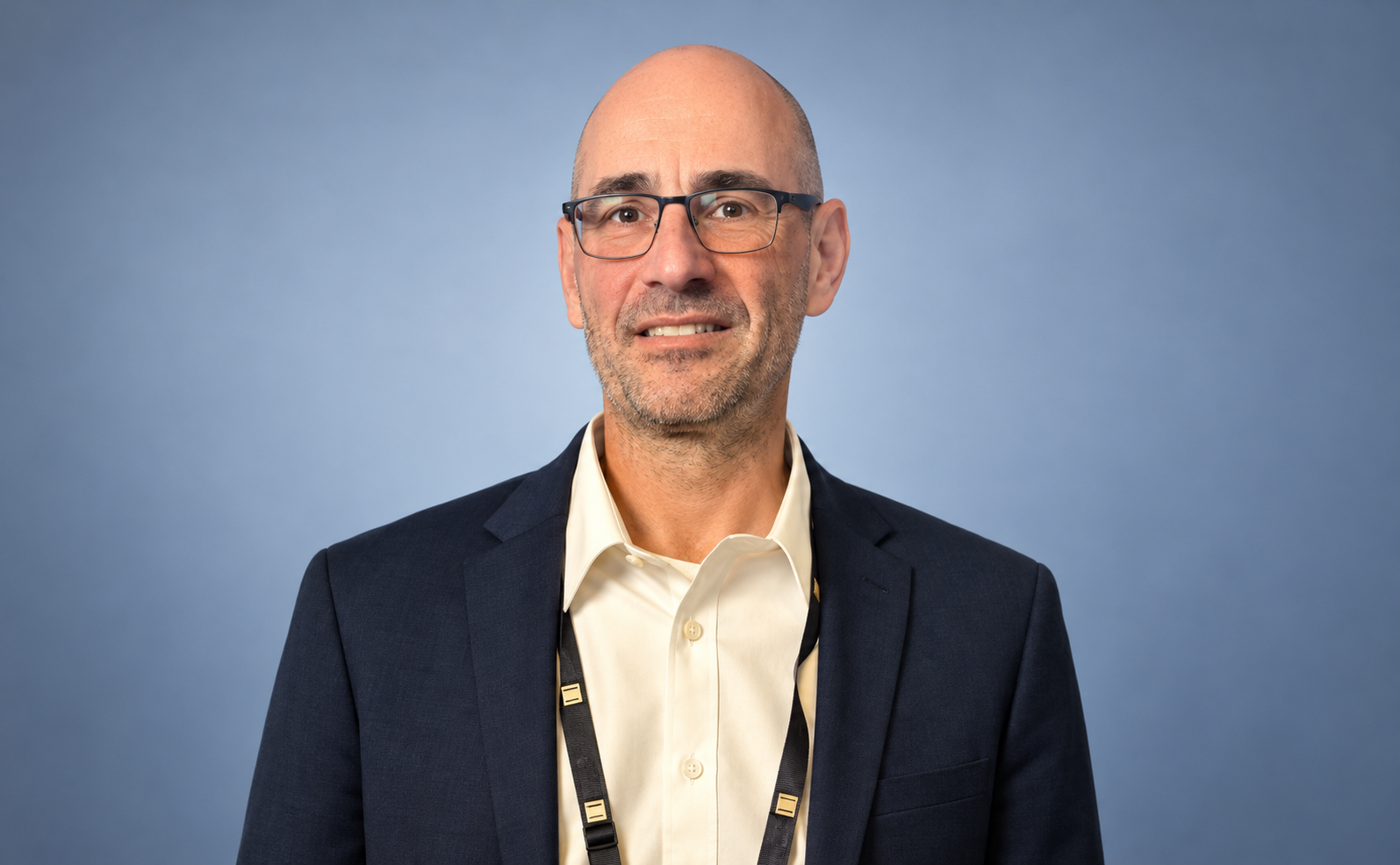
That is the problem David Villalón is trying to solve through Maisa. As the co-founder and CEO of the company, Villalón is building an enterprise AI platform focused on reliable Digital Workers, not just flashy chat interfaces. The goal is simple to understand but difficult to execute: help businesses use AI for real work while giving them the transparency, control, and auditability they need to trust the results.
In a market full of companies promising smarter AI agents, Maisa stands out because its message is not only about speed. It is about accountability. Its approach centers on Chain-of-Work, the Knowledge Processing Unit, and a product called Maisa Studio, all designed to make AI work easier to inspect, govern, and deploy inside serious business environments.
Who is David Villalón
David Villalón is best known today as the co-founder and CEO of Maisa, but his path into enterprise AI did not begin with the current wave of AI hype. His background includes hands-on experience with applied AI, product development, and large language model systems. Before Maisa, he worked with companies such as Voicemod and Clibrain, giving him a close look at how AI products behave once they move beyond early experiments.
That experience matters because enterprise AI is not only a technical challenge. It is also a trust challenge. A company can have access to powerful models and still struggle to use them safely. Models can misunderstand instructions, produce confident but wrong answers, or behave unpredictably when a task has too many moving parts.
Villalón’s work with Maisa appears to come from that practical understanding. He is not positioning AI as magic. He is building around the reality that businesses need AI systems they can check, manage, and explain. That is especially important in industries where mistakes are expensive and every decision may need to stand up to internal review or outside regulation.
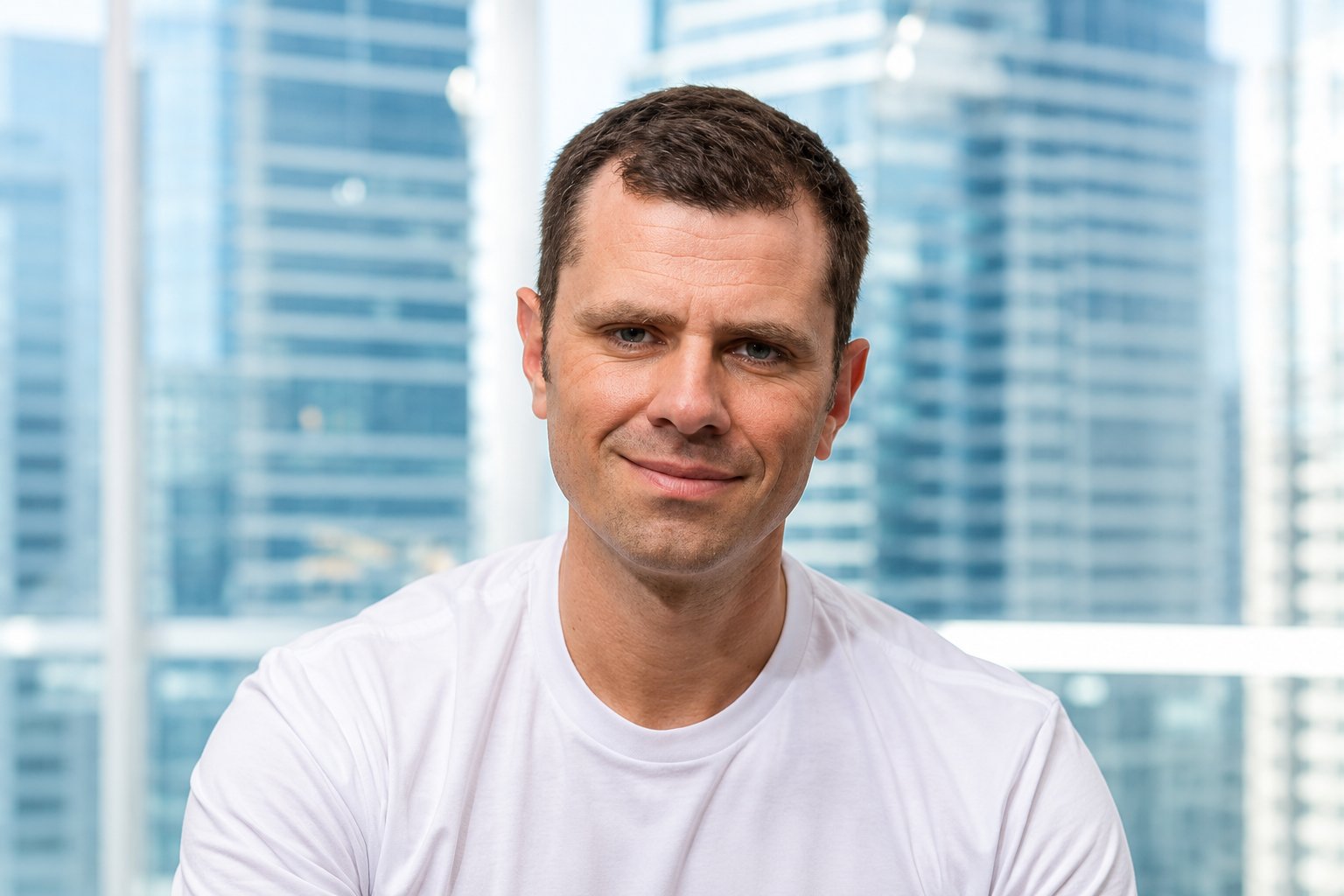
He co-founded Maisa with Manuel Romero, who brings deep technical experience in AI and open-source model development. Together, they are shaping Maisa around a clear idea: enterprise AI needs more than intelligence. It needs structure.
What Maisa is building for enterprise AI
Maisa is building a platform that helps companies create and manage AI-powered Digital Workers. These are not basic chatbots that wait for a prompt and return an answer. They are designed to carry out knowledge-heavy business workflows, follow instructions, work through steps, and leave behind a record of how the work was done.
This matters because many enterprise workflows are not simple. A task like checking transactions, reviewing media screening alerts, monitoring supply chain issues, or preparing risk-related analysis may require several steps. It can involve multiple systems, different sources of data, and decisions that need to be reviewed later.
Traditional automation tools can be useful for repetitive tasks, but they often struggle when the work requires judgment, context, and reasoning. Standard generative AI tools can help with language and analysis, but they may not offer the consistency or traceability enterprises need. Maisa is trying to sit between those two worlds by giving businesses AI workers that can handle more complex work while still being easier to control.
The company’s product, Maisa Studio, is built to make this process more accessible. Instead of requiring every workflow to be coded from scratch, Maisa Studio allows teams to create and train Digital Workers using natural language. That means business users can describe what they need, define how the work should happen, and create AI workflows with less dependence on engineering teams.
For companies under pressure to adopt AI, this is an important shift. It moves AI from a lab experiment into a tool that business teams can shape around real operational needs.
Why reliability has become the real test for enterprise AI
The biggest challenge in enterprise AI is no longer whether the technology can produce impressive results. It often can. The harder test is whether those results can be trusted repeatedly.
A demo can look great when the task is controlled. Real business work is different. Data may be messy. Instructions may be layered. Rules may change. A workflow may require the AI to reason through several steps before producing an outcome. In those situations, a small mistake can create a much larger problem.
This is why AI reliability has become such an important topic. Businesses do not only need AI systems that answer quickly. They need systems that answer correctly, show their work, and give teams a way to review decisions before those decisions create risk.
For regulated industries, the stakes are even higher. Financial services, energy, manufacturing, insurance, and healthcare-related operations often require clear records of how decisions were made. If an AI system cannot explain what it did, it becomes harder for a company to trust it in daily operations.
That is where David Villalón has focused Maisa’s message. The company is not asking enterprises to accept a black box. It is building around visibility, audit trails, and step-by-step execution.
How David Villalón is solving the trust problem with Maisa
A major part of David Villalón’s achievement with Maisa is his focus on the trust layer of AI. Many AI startups talk about productivity. Maisa also talks about productivity, but it connects that productivity to accountability.
That difference is important. If an AI worker saves time but creates uncertainty, a company may hesitate to use it at scale. If an AI worker saves time and also shows how it reached a result, the path to adoption becomes more realistic.
Maisa’s product direction reflects this understanding. Its Digital Workers are meant to complete tasks in a way that can be inspected. They are built for environments where teams need to know what happened, why it happened, and whether the process followed the right logic.
This approach turns reliability into more than a feature. It becomes part of the company’s identity. Villalón is not simply building another AI agent platform. He is building Maisa around the idea that the next stage of enterprise AI will depend on proof, not promises.
The role of Chain-of-Work in Maisa’s reliability approach
One of the key ideas behind Maisa is Chain-of-Work. In simple terms, Chain-of-Work is a record of the steps an AI worker takes while completing a task.
This is different from only receiving a final answer. With many AI systems, a user may see the output but not the process behind it. That creates a problem for businesses. If the answer is wrong, incomplete, or difficult to verify, the team may not know where the issue started.
Chain-of-Work is designed to make the process more visible. It creates a trail of reasoning and execution, allowing teams to see how a Digital Worker moved through a task. That can help with review, debugging, quality control, and compliance.
For enterprise teams, this can make AI feel less like a black box. It gives people something they can inspect. It also helps bring AI closer to the way businesses already manage important work. In many companies, key processes need documentation. Maisa is applying that same expectation to AI-powered work.
This is one reason the company’s approach feels practical. It does not assume that enterprises will blindly trust AI because the technology is advanced. It gives them a way to check the work.
How the Knowledge Processing Unit helps Maisa reduce AI mistakes
Another important part of Maisa’s system is the Knowledge Processing Unit, often shortened to KPU. The KPU is Maisa’s proprietary reasoning layer, built to help Digital Workers perform tasks with more structure and reliability.
Large language models are powerful, but they were not originally designed as dependable business operators. They can generate language, summarize information, and reason through problems, but they can also drift, hallucinate, or produce results that are hard to verify. Maisa’s KPU is meant to add a more disciplined layer around that capability.
The idea is to turn generic AI models into more specialized workers that can follow logical steps, process knowledge, and operate in a more controlled way. This supports Maisa’s wider goal of reducing hallucinations and making enterprise AI easier to trust.
For businesses, this matters because the value of AI depends on consistency. A system that works well once but fails unpredictably is difficult to rely on. A system that follows a structured process and records its work gives teams more confidence to use it in real workflows.
The KPU also supports Maisa’s model-agnostic direction. Instead of depending on one model provider, Maisa aims to create a layer that can work with different models while keeping the focus on reliable execution.
Why Maisa Studio matters for business teams
Maisa Studio is an important part of the company’s strategy because it brings AI automation closer to the people who understand the work best. In many companies, business teams know the process, but technical teams are needed to build the automation. That gap can slow everything down.
Maisa Studio tries to reduce that friction. It gives teams a way to create Digital Workers through natural language instructions. A team can define the task, explain the rules, and shape how the worker should behave without turning every idea into a long engineering project.
This is especially useful for complex business processes that change over time. A compliance workflow, for example, may need new rules. A risk process may need different data sources. A supply chain workflow may need to respond to new disruptions. If business teams can adjust AI workers more easily, adoption becomes faster and more practical.
The success of enterprise AI will not depend only on how smart the models become. It will also depend on how easily people can use them inside their daily work. Maisa Studio is built around that need.
Where Maisa’s Digital Workers can create business value
Maisa’s Digital Workers are designed for knowledge-intensive work, especially in areas where accuracy, traceability, and review matter. That makes them relevant for industries that handle complicated information and high-value decisions.
In financial services, Digital Workers could support tasks such as media screening, transaction checking, reconciliation, credit risk review, and compliance monitoring. These workflows often involve repetitive research and careful judgment. AI can help speed them up, but only if the results can be reviewed and trusted.
In manufacturing and supply chain operations, Digital Workers could help monitor disruptions, organize operational data, and support teams that need quick analysis across multiple systems. In energy and utilities, they could assist with reporting, operational coordination, and processes where reliability is essential.
Maisa’s focus on auditability makes these use cases more realistic. Companies in these sectors are not looking for entertainment-style AI. They need tools that can operate within rules, produce consistent work, and create records that human teams can inspect.
That is the business value Maisa is trying to unlock. It is not just about replacing manual work. It is about making complex work faster while keeping enough control for enterprises to feel safe using AI at scale.
How Maisa’s funding shows investor confidence in reliable AI
Maisa’s funding has helped bring more attention to David Villalón and the company’s mission. The company raised a $25 million seed round led by Creandum, with participation from Forgepoint Capital, NFX, and Village Global. The round gave Maisa more room to expand its team, develop its technology, and grow across Europe and North America.
The funding is also a signal about where the AI market is heading. Investors have already seen many companies build AI tools that look impressive in early demos. The next opportunity is likely to come from companies that can make AI dependable enough for serious enterprise use.
Maisa fits that shift. Its story is not only about building agents. It is about building accountable agents. For investors, that can be a stronger long-term bet because enterprises do not adopt tools only because they are new. They adopt tools when those tools solve real problems without adding unacceptable risk.
Villalón’s success so far comes from placing Maisa in that gap between AI excitement and enterprise caution. He is building for companies that want automation, but also need governance.
What makes David Villalón’s Maisa story different
The AI market is crowded, and many founders are chasing the same broad promise: smarter agents, faster workflows, and fewer manual tasks. David Villalón’s story with Maisa feels different because the company is focused on the less glamorous but more important side of AI adoption.
Reliability is not as flashy as a viral demo. Auditability does not always sound exciting. Governance is not usually the headline people click first. But these are the things that matter when a company is deciding whether AI can touch real operations.
That is what makes Maisa’s positioning strong. It is not trying to win only on novelty. It is trying to win on trust.
Villalón’s achievement is also tied to timing. Enterprise leaders are more familiar with AI now than they were a few years ago. Many have tested tools and seen both the promise and the limits. They know AI can help, but they also know it can create risk if it is not managed properly.
Maisa is entering the market at a moment when businesses are asking better questions. They are not only asking what AI can do. They are asking whether it can be governed, audited, and defended under scrutiny. Villalón is building Maisa around those questions.
Why Maisa could shape the next stage of enterprise automation
The next stage of enterprise AI will likely be less about experimentation and more about execution. Companies have already seen what generative AI can do in a simple interface. Now they want to know how it can fit into the systems, workflows, and responsibilities that keep a business running.
That is where Maisa has a clear opportunity. Its Digital Workers are designed to work inside complex processes. Its Chain-of-Work gives teams a way to inspect results. Its KPU adds structure around AI reasoning. Its Studio product gives business teams a more practical way to create and manage AI workers.
For David Villalón, the challenge will be turning this vision into lasting adoption. Enterprise customers are careful. They need proof, stability, and measurable value. But if Maisa can keep delivering on its promise of reliable AI automation, it could become part of a larger shift in how companies think about digital work.
Instead of AI being treated as a separate experiment, it could become a trusted layer inside everyday operations. That is the future Maisa is building toward, and it is why Villalón’s work is worth watching closely.