For many businesses, the moment a contract gets signed feels like a win. The deal is done, the terms are agreed, and everyone can move forward. But in reality, that signature is often just the start of another messy process.
Someone still has to create the invoice. Someone has to send the payment link. Someone has to track whether the money came in. If the customer is late, someone has to follow up. If the contract changes, billing may need to change too. For growing companies, that simple chain can turn into a slow and fragmented workflow across sales, finance, legal, operations, and accounting.
That is the problem Marty Ringlein is trying to solve with Agree.com.
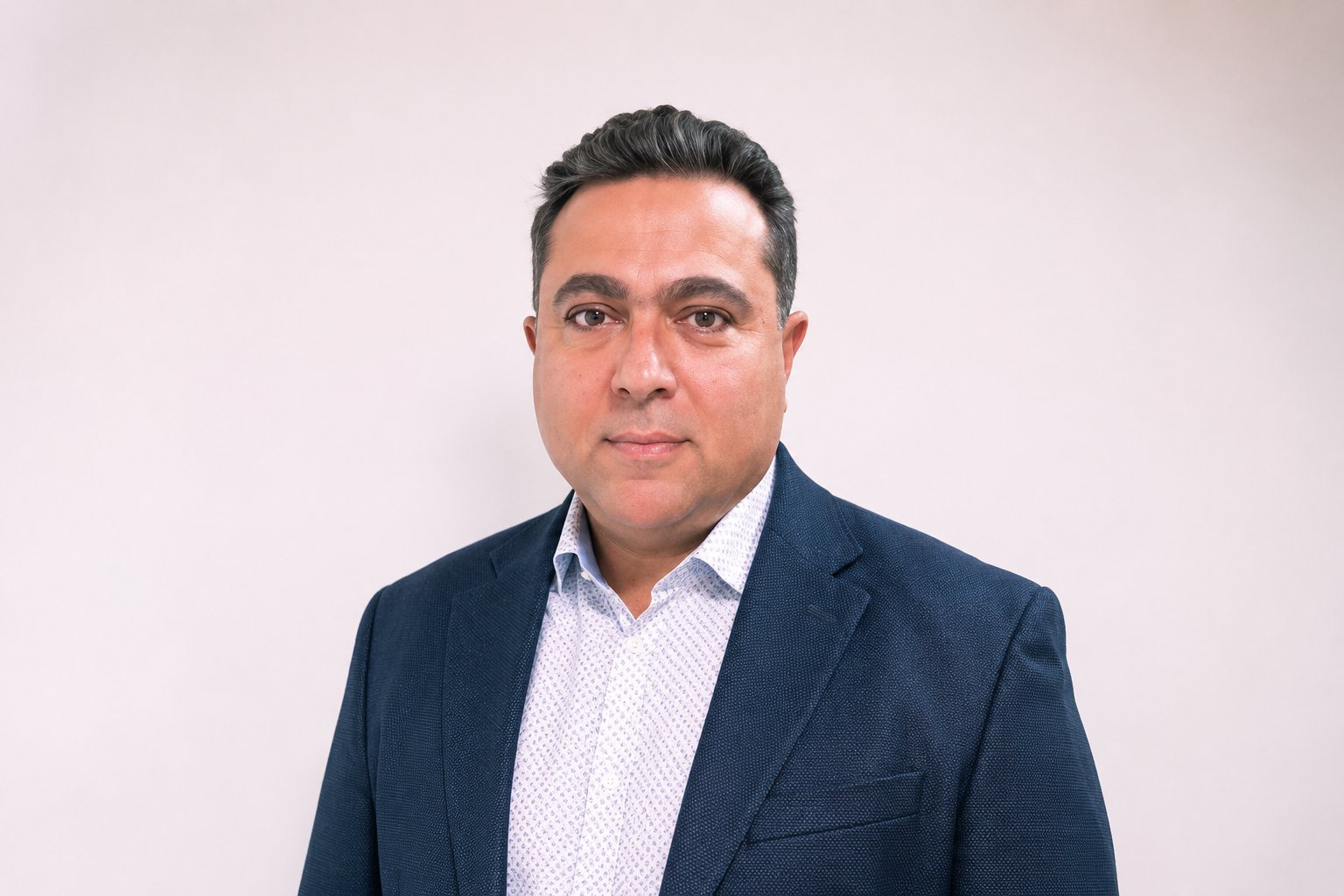
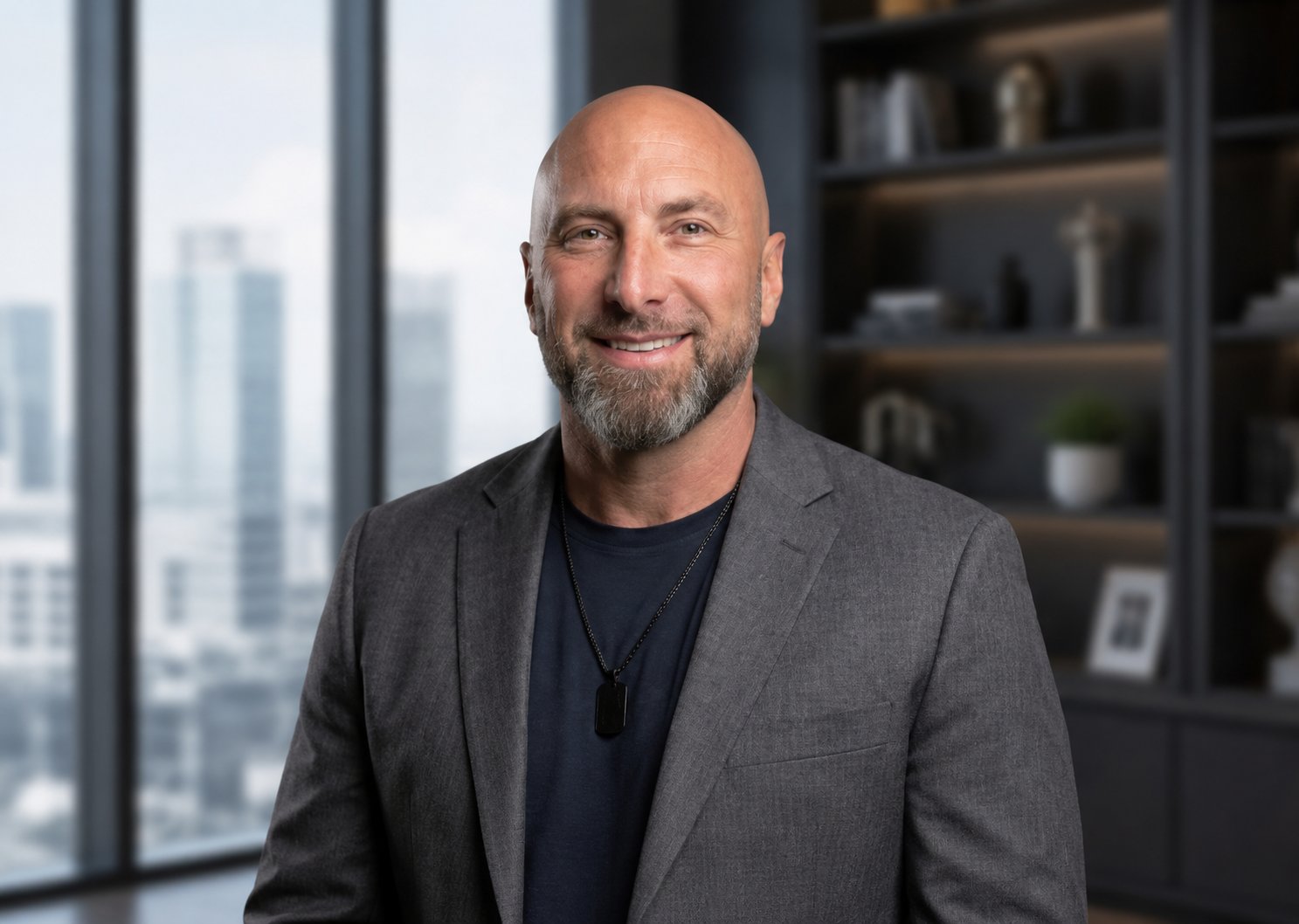
As co-founder and CEO of Agree.com, Marty Ringlein is building around a practical idea: contracts should not sit in a folder after they are signed. They should help trigger the next steps that actually matter to a business, including billing, payment collection, revenue tracking, and accounts receivable automation.
This is where Agree.com stands out. It does not treat e-signature as the whole product. It treats the signature as the starting point for a bigger contract-to-cash workflow.
Who Is Marty Ringlein
Marty Ringlein is a founder, product thinker, and startup operator with a long track record in the technology world. His work has often sat near the intersection of product design, business systems, and startup execution. That background matters because Agree.com is not solving a theoretical problem. It is aimed at a workflow that founders, small businesses, sales teams, finance teams, and operators deal with every day.
The idea behind Agree.com came from a familiar pain point. Businesses often had to use one tool to create a contract, another tool to collect signatures, another platform to send invoices, and yet another system to manage payment records. For a company trying to move quickly, that is a lot of unnecessary handoff.
Marty Ringlein and the Agree.com team saw an opportunity to make the agreement itself more useful. Instead of seeing a signed contract as the end of the process, they saw it as the beginning of a revenue workflow.
That thinking has shaped the company’s early identity. Agree.com is not only about getting documents signed. It is about helping businesses move from signed intent to actual revenue with less manual work in between.
What Agree.com Is Building
Agree.com is an agreement platform built to connect contracts, e-signatures, billing, invoicing, payments, collections, reporting, and integrations. In simple terms, it helps businesses manage the journey from contract to cash in one place.
Traditional e-signature tools usually focus on one clear job: get the document signed. That is useful, but it often leaves the rest of the workflow untouched. Once the signature is complete, businesses still need to handle the financial side manually.
Agree.com is trying to close that gap.
The platform allows teams to send and sign agreements, detect payment terms, generate invoices, accept payments, track collections, and keep revenue workflows connected. It is built for businesses that move money through contracts, which includes agencies, consultants, SaaS companies, service providers, startups, and larger teams with recurring billing needs.
The platform also leans into AI and OCR, which help identify contract fields, signature blocks, and payment terms. That matters because a contract contains valuable business data. When that data stays trapped inside a static PDF, teams have to copy it into other systems. When the data can be read and used by the workflow, the contract becomes much more powerful.
Why the Contract to Cash Workflow Needed a Rethink
The old way of handling agreements is full of small delays. Each delay may seem harmless on its own, but together they slow down revenue.
A sales team may close a deal and send it to legal. Legal may finalize the contract and send it for signature. Once the customer signs, finance may need to create an invoice. Then someone has to send payment instructions, track the payment, reconcile it in accounting software, and follow up if it is late.
The problem is not that any one step is impossible. The problem is that the steps often live in different tools.
That creates a few common issues:
- Teams lose visibility after the contract is signed
- Payment terms have to be copied manually into invoices
- Invoices may be delayed because finance is waiting on contract details
- Customers may receive a contract in one place and payment instructions somewhere else
- Collections become reactive instead of automatic
- Revenue reporting depends on manual updates across systems
For modern companies, that is not just an admin problem. It affects cash flow, forecasting, customer experience, and team productivity.
This is why the phrase contract to cash matters. It describes the full journey from the moment a business agreement is created to the moment money is collected and recorded. Marty Ringlein’s work with Agree.com is centered on making that journey cleaner, faster, and easier to manage.
How Marty Ringlein Is Turning Agreements Into Revenue Workflows
The most interesting part of Agree.com is the way it changes the role of the agreement.
In many companies, a contract is treated like a document. It is drafted, negotiated, signed, stored, and occasionally searched later if someone needs to check a clause. But the real business value inside that contract is often more active than that.
A contract may contain pricing, payment terms, renewal dates, billing frequency, subscription details, scope of work, late fees, cancellation rules, and customer obligations. These are not just legal details. They are operational instructions.
Marty Ringlein’s approach with Agree.com is to make those instructions usable.
When a contract is signed, the next steps should not depend on someone remembering to create an invoice or follow up with the customer. The workflow should move forward naturally. Billing should be generated from the agreement. Payment should be easy to complete. Collections should not require a spreadsheet and a reminder calendar.
That is the shift Agree.com is pushing: from static agreements to executable revenue workflows.
From E-Signature to Contract to Cash
E-signature changed how companies signed documents. It removed the need for printing, scanning, mailing, and waiting. But e-signature alone did not fully solve what happens after the signature.
That is where Agree.com is making its bet.
The company offers free e-signatures, but the larger product vision is about integrated payments and revenue automation. This is a smart wedge because e-signature is already a familiar behavior. Businesses understand the need to get documents signed. Agree.com uses that familiar starting point and then connects it to the financial workflow that comes next.
For a founder, this can mean sending an agreement and getting paid without needing a separate invoicing system. For a sales team, it can mean fewer handoffs after a deal is closed. For finance, it can mean clearer visibility into what has been signed, what has been billed, what has been paid, and what still needs attention.
That is why Agree.com is not only competing in the e-signature category. It is also touching invoicing, payment processing, accounts receivable automation, revenue operations, and fintech SaaS.
Why Agree.com’s Early Growth Stands Out
Agree.com has already attracted attention from investors and the startup market. The company announced a $3 million pre-seed round led by Better Tomorrow Ventures, with participation from investors including 8-Bit Capital, Everywhere Ventures, Trust Fund, Expedite Ventures, Firsthand Alliance, Hustle Fund, Singh Capital Partners, and NEA Angel Fund.
Later, Agree.com announced a $7.2 million seed round, led by Pelion Venture Partners, with participation from Blank Ventures, Gokul Rajaram, Better Tomorrow Ventures, and other existing investors. That brought more attention to the company’s idea of combining e-signature, invoicing, and payments into one workflow.
The growth numbers also helped build the story. Agree.com reported reaching thousands of users within months and expanding from founders and entrepreneurs into mid-market and enterprise teams. That kind of early traction suggests the pain point is not limited to one narrow customer group.
Contracts and payments touch almost every business. That gives Agree.com a broad market to serve if it can keep the product simple enough for small teams and powerful enough for larger organizations.
Why Investors Are Paying Attention
Investors tend to notice companies that sit at the center of several large markets. Agree.com does exactly that.
It touches the e-signature market because companies need secure digital signatures. It touches fintech because money movement is part of the product. It touches accounts receivable because invoices, collections, and payment tracking are part of the workflow. It touches RevOps because signed deals, billing, and revenue visibility all affect how teams operate.
That combination gives Agree.com more room to grow than a basic document-signing tool.
Another reason the model is interesting is the free e-signature approach. Instead of charging only for signatures, Agree.com can monetize around the money movement and billing logic that happens after the agreement. That aligns the product with the part of the workflow businesses care deeply about: getting paid.
For customers, the appeal is simple. A signature is useful, but revenue is the outcome.
How Agree.com Competes With Legacy Tools
Legacy tools like DocuSign helped define the e-signature category. Tools like Bill.com helped businesses manage payments and accounts payable or receivable workflows. These platforms became important because they solved real problems.
But many businesses now want fewer disconnected systems, not more.
A company may sign a contract in one platform, send an invoice through another, accept payment through a payment processor, and reconcile the transaction in accounting software. This can work, but it creates extra steps and extra chances for delay.
Agree.com is taking a different route. It is trying to make the signing process and the payment process feel like parts of the same motion.
That does not mean every business will replace every existing tool overnight. Larger companies often have complex systems, approval layers, and compliance needs. But the direction is clear. More teams want software that connects the work instead of creating another isolated dashboard.
Marty Ringlein’s vision fits that shift. Agree.com is built for a world where contracts are not just files. They are connected to billing, payments, collections, reporting, and revenue operations.
Why Agree.com Matters for Founders
Founders often handle more operational work than they want to admit. In the early stages of a company, the same person may be selling, closing, contracting, invoicing, collecting payments, and checking the bank account.
That is where a tool like Agree.com can be especially useful.
A founder does not always need a large finance stack. They need a simple way to turn an agreement into payment without wasting hours on admin. If the platform can handle e-signature, automated invoicing, payment options, and reminders in one place, it gives founders more time to focus on customers and growth.
This is also why the product has strong appeal for agencies, consultants, coaches, fractional executives, contractors, and service businesses. These companies often run on contracts, retainers, project fees, milestone payments, and recurring billing. The faster they can move from agreement to cash, the healthier their business becomes.
Why Sales Teams Benefit From a Cleaner Workflow
Sales teams are usually measured by closed deals, but a closed deal is not fully complete until the business gets paid.
In many companies, sales closes the agreement and then hands the process to finance. If the handoff is slow, unclear, or incomplete, the customer experience suffers. The customer may wonder where the invoice is. Finance may need to chase down contract terms. Sales may be pulled back into admin work after the deal is already signed.
Agree.com helps reduce that friction by connecting the agreement with the next financial step.
For sales teams, that can mean a cleaner deal-to-cash motion. The contract, payment terms, invoice, and payment status are connected, so the team has better visibility into what is happening after the customer signs.
This also helps with speed. When payment is built into the workflow, the customer can move from agreement to transaction without waiting for a separate process to begin.
Why Finance and RevOps Teams Care
Finance teams care about accuracy, timing, and visibility. RevOps teams care about the full revenue journey, from pipeline to closed revenue to retention. Both teams benefit when contract data flows cleanly into billing and reporting.
When contracts and payments are disconnected, finance teams often deal with delayed invoices, unclear payment terms, overdue accounts, and reconciliation headaches. RevOps teams may struggle to understand where revenue is getting stuck because the data lives across too many systems.
Agree.com’s contract-to-cash approach gives these teams a more connected view.
A finance team can see what has been signed, billed, paid, or left outstanding. A RevOps team can understand the movement from deal close to cash collection. An operator can identify where manual work is slowing things down.
This is where accounts receivable automation becomes more than a back-office feature. It becomes part of how a company protects cash flow and scales without adding unnecessary headcount.
The Role of AI in Agree.com’s Product
AI is often used as a buzzword, but in Agree.com’s case, the application is practical. The platform uses AI and OCR to read contracts, detect fields, identify signature blocks, and extract payment terms.
That can save time because the system can understand details that would otherwise need to be entered manually. If a contract includes billing dates, payment amounts, recurring terms, or other financial instructions, Agree.com can use that information to support invoice generation and payment workflows.
This is the kind of AI that businesses can understand quickly. It is not about replacing every person in the process. It is about removing repetitive work that slows people down.
For Marty Ringlein, this gives Agree.com a sharper product story. AI is not just layered on top for marketing. It supports the company’s main promise: make the path from contract to cash faster, cleaner, and more connected.
What Businesses Can Learn From Marty Ringlein and Agree.com
The story of Marty Ringlein and Agree.com offers a useful lesson for modern businesses: the biggest opportunities are often hidden between steps.
Many companies optimize sales, marketing, product, and customer support. But they overlook the operational gaps between signing a customer and collecting revenue. That gap can quietly drain time, delay cash, and create confusion.
Agree.com’s approach shows the value of looking at the full workflow, not just one feature.
A contract is not only a legal document. It is a source of business instructions. A signature is not only proof of agreement. It is a trigger for action. An invoice is not just a request for payment. It is part of the customer experience.
When those pieces are connected, the business feels smoother for everyone involved.
The Future Marty Ringlein Is Building With Agree.com
Marty Ringlein is building Agree.com around a simple but timely belief: modern companies need agreements that do more than capture signatures.
They need contracts that connect to billing. They need payment terms that can turn into invoices. They need collections that do not depend on manual chasing. They need reporting that shows the full revenue picture. They need integrations that keep financial operations in sync.
That is why Agree.com’s work matters. It reflects a broader shift in business software, away from single-purpose tools and toward connected systems that reduce handoffs.
For businesses that depend on contracts, the real win is not just signing faster. It is getting from signed agreement to collected revenue with fewer delays, fewer tools, and less manual work.
That is the workflow Marty Ringlein is reimagining, and it is the reason Agree.com has quickly become a company to watch in e-signature, fintech, payments, and revenue automation.