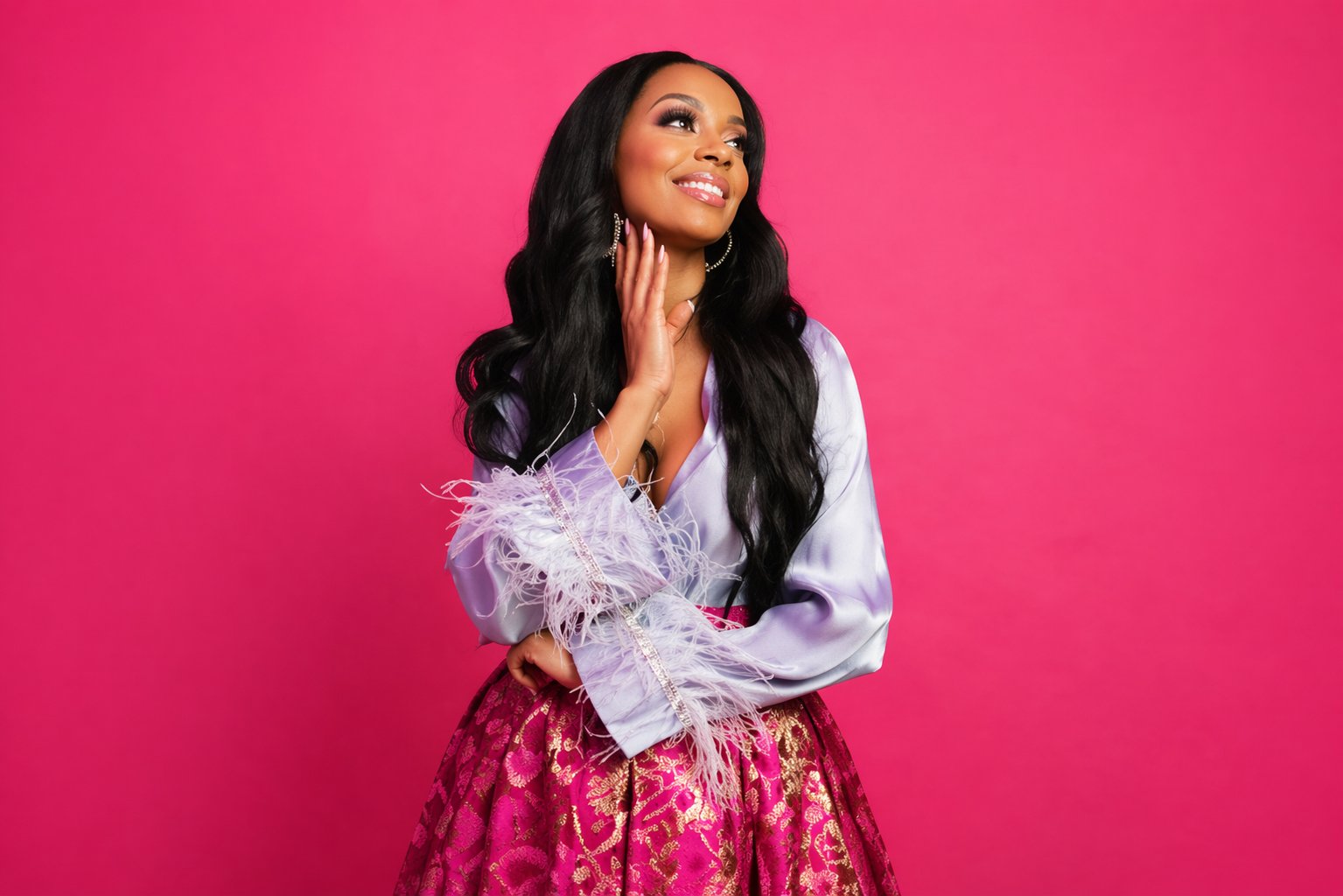
When people talk about standout beauty founders, Monique Rodriguez deserves to be part of that conversation. Her story is not just about launching another product line in a crowded market. It is about seeing a real gap, understanding the needs of a specific customer, and building a brand that felt personal from the very beginning.
Mielle Organics did not rise because it chased every beauty trend. It grew because it gave textured-hair consumers products, education, and representation that felt honest. That mix turned the brand into more than a shelf presence. It became a trusted name in textured hair care, especially for shoppers looking for products that spoke directly to their routines, hair goals, and lived experiences.
What makes Monique Rodriguez’s journey especially compelling is that her success came from more than marketing. She brought together personal experience, a clear understanding of natural hair care, strong community connection, and sharp business instincts. Over time, that combination helped Mielle Organics move from a kitchen-born idea to one of the most recognized Black-founded beauty brands in the market.
Monique Rodriguez’s background before Mielle Organics
Before she became widely known as a beauty entrepreneur, Monique Rodriguez was a registered nurse. That part of her story matters because it shaped the way people understood her brand from the start. She did not come into the space as someone simply trying to put a trendy label on bottles. She came in with a mindset that valued knowledge, care, and a closer look at what goes into products.
Her personal hair journey also played a major role. Like many women with curly and coily textures, she spent years figuring out what actually worked for her hair. That experience gave her insight that could not be faked. She understood the frustration that comes with dryness, breakage, lack of moisture retention, and products that promise too much but deliver very little.
That blend of personal need and practical thinking helped shape the foundation of Mielle Organics. It also made Monique feel relatable to the very audience she wanted to serve. She was not speaking at textured-hair consumers from the outside. She was speaking as someone who had lived the same challenges.
Why Mielle Organics started in the first place
The beginning of Mielle Organics was rooted in something very personal. Monique Rodriguez started developing products during her own healthy-hair journey, and that gave the brand an authenticity that many newer beauty companies spend years trying to create.
At the time, the hair care industry was full of products for broad audiences, but fewer options felt truly centered on the day-to-day needs of women with curly hair, coily hair, and other textured hair types. There was growing demand in the natural hair movement, but there was still room for a brand that could combine effective formulas, a strong founder story, and an educational voice.
That is where Mielle Organics found its opening. The brand was not built around vague beauty language. It was built around real hair concerns, real product routines, and a clear focus on healthier hair. That focus helped the company stand out early in a space where customers were already becoming more selective.
Building a brand for textured hair with a clear point of view
One reason Mielle Organics became such a standout success is that the brand knew exactly who it was for. It did not try to be everything to everyone. It leaned into the needs of people looking for textured hair products, curl care, coil care, and solutions that supported a healthy hair routine.
That kind of clarity matters in beauty. Customers can tell when a brand is simply borrowing language from a community versus actually understanding it. Monique Rodriguez built Mielle Organics with a point of view that felt rooted in the textured-hair experience. The brand’s messaging, products, and education all reflected that.
This is also where brand authenticity played a major role. People did not just buy the products because they liked the packaging or saw a viral post. Many customers felt that Mielle Organics understood them. In a category like hair care, that emotional connection can become a major growth driver.
The early product strategy that helped Mielle Organics stand out
A strong founder story can get attention, but products are what turn attention into long-term growth. Mielle Organics built its reputation by developing formulas that fit real routines and real hair needs.
Over time, collections like Rosemary Mint, Pomegranate and Honey, Babassu, and Rice Water helped define the brand. These product lines gave customers clear entry points depending on their concerns, whether they were focused on scalp care, hair strengthening, protective styling, hydration, or overall hair wellness.
That kind of product strategy matters because it makes a brand easier to understand. Instead of presenting a random assortment of items, Mielle Organics created recognizable collections with clear benefits. That helped with repeat purchases, brand loyalty, and shelf recognition.
It also helped the brand compete in both digital and retail spaces. In beauty, growth often depends on whether consumers can quickly understand why a product belongs in their routine. Mielle Organics did a strong job of making that case.
How Monique Rodriguez turned personal credibility into brand trust
Founder-led brands often struggle with scale because they rely too heavily on the founder’s personality. Monique Rodriguez managed this well. She used her story to build trust, but she also turned that trust into something bigger than herself.
Her background, hair journey, and educational style gave customers confidence. She was not just selling ingredient-rich formulas. She was helping people think differently about hair care, consistency, and product selection. That created a deeper level of consumer trust.
There was also a strong storytelling element behind the brand. Mielle Organics did not grow only through product claims. It grew through connection. Customers saw a founder who understood the emotional side of hair care, especially for Black women whose relationship with hair can be tied to identity, confidence, and self-expression.
That emotional layer helped transform Mielle Organics from a promising beauty startup into a community-driven brand with lasting customer loyalty.
The power of community in Mielle Organics’ growth
It is difficult to talk about the success of Mielle Organics without talking about community. Long before many brands mastered audience engagement, Monique Rodriguez understood the value of speaking directly to people, educating them, and bringing them into the journey.
That mattered because the textured-hair consumer base is highly engaged. People share wash day routines, product reviews, styling methods, ingredient concerns, and before-and-after results. In that kind of environment, word of mouth can be more powerful than traditional advertising.
Mielle Organics benefited from that kind of organic advocacy. Customers did not just buy products. They talked about them, recommended them, and made them part of a broader conversation around healthy hair. Social media amplified that process, but the real driver was trust.
This is one of the biggest lessons from the brand’s rise. When a company truly understands its audience, customers often become part of the growth engine. That was especially true for Mielle Organics, which built loyalty by making people feel seen rather than sold to.
How Mielle Organics grew from niche favorite to mainstream brand
Many brands can build excitement within a niche. Far fewer manage to cross into mainstream visibility without losing what made them special in the first place. Mielle Organics is a strong example of a brand that managed that shift.
The company started with a founder-led, community-centered identity, but it did not stay small in its thinking. It expanded its product line, strengthened its retail presence, and became much more visible in the broader beauty business. That kind of growth usually requires more than a good product. It takes operational discipline, brand consistency, and the ability to scale without diluting the original mission.
This is where Monique Rodriguez showed real leadership. She was not only building a brand story. She was building a company. The difference matters. Plenty of beauty brands generate buzz, but not all of them develop into serious long-term businesses. Mielle Organics did.
Its rise also reflected a larger shift in the market. Brands serving textured hair were no longer being treated as side categories. They were proving that an underserved market could also be a major commercial opportunity.
The role of leadership in Monique Rodriguez’s success
A big part of this story comes down to leadership. Monique Rodriguez did not just identify a need. She stayed close to the brand as it evolved, and that consistency helped shape how customers viewed the company.
Good leadership in beauty requires a mix of instinct and discipline. Founders need to understand product, branding, customer behavior, and long-term growth. Monique showed that kind of range. She built a brand with emotional pull, but she also helped guide it through the demands of expansion.
Her leadership style also seems tied to purpose. That has been important for the brand’s image because Mielle Organics has always positioned itself as more than a business chasing sales. It has presented itself as a company with community impact, educational value, and a deeper connection to the women it serves.
That kind of purpose-driven identity can be difficult to maintain as a company gets larger. In Mielle’s case, it became part of the reason people kept paying attention.
The P&G Beauty deal and what it said about Mielle Organics
One of the clearest signs of Mielle Organics’ success came with its deal with P&G Beauty, part of Procter & Gamble. By that point, the brand had already proven that it had cultural relevance, customer loyalty, and strong market value.
The deal mattered for more than business headlines. It signaled that a Black-founded beauty brand serving textured-hair consumers had built something too significant for the wider industry to ignore. That was meaningful both commercially and symbolically.
At the same time, public reaction showed how closely customers were paying attention. People cared about what would happen to the formulas, the mission, and the community focus. That concern itself says a lot about how much trust the brand had built. Customers did not see Mielle Organics as interchangeable. They saw it as something worth protecting.
What stands out here is that the brand’s value was never just in product sales. It was in the relationship Monique Rodriguez had built with consumers over time. That relationship helped make Mielle Organics feel important in a deeper way than many fast-growing beauty brands do.
Why Monique Rodriguez’s story matters beyond one company
The success of Monique Rodriguez and Mielle Organics matters beyond one founder and one brand. It reflects a broader shift in how the beauty industry views inclusive beauty, Black women entrepreneurs, and the power of founder-led companies that begin with lived experience.
Her story also highlights an important truth in entrepreneurship. Some of the strongest businesses come from people who deeply understand the problem they are solving. Monique did not create Mielle Organics by guessing what textured-hair consumers might want. She built it from personal knowledge, audience connection, and a clear sense of purpose.
That is a powerful model for any founder. It shows that building for a specific audience is not limiting when the need is real. In many cases, that focus is exactly what creates momentum.
For the textured-hair category, Mielle Organics helped prove that brands centered on natural ingredients, hair wellness, and the needs of Black consumers can command both loyalty and large-scale industry attention. That is part of why Monique Rodriguez’s journey continues to resonate.
Key lessons from how Monique Rodriguez built Mielle Organics
There are several reasons this story continues to stand out in conversations about brand growth and beauty industry success.
First, Monique Rodriguez built from a real need. She understood the customer because she was the customer. That gave Mielle Organics a level of clarity many brands never achieve.
Second, she built trust before scale. The company’s success did not begin with a massive corporate engine behind it. It began with connection, education, and product credibility.
Third, the brand stayed focused on its audience. Rather than watering down its identity, Mielle Organics leaned into what made it distinct in the textured hair care market.
Fourth, community was treated as a core asset, not an afterthought. That made a major difference in how the brand grew and how customers talked about it.
Finally, Monique Rodriguez showed that a founder can build something personal and still turn it into a serious business with mainstream staying power. That is one of the biggest reasons Mielle Organics became such a standout success in textured hair care.