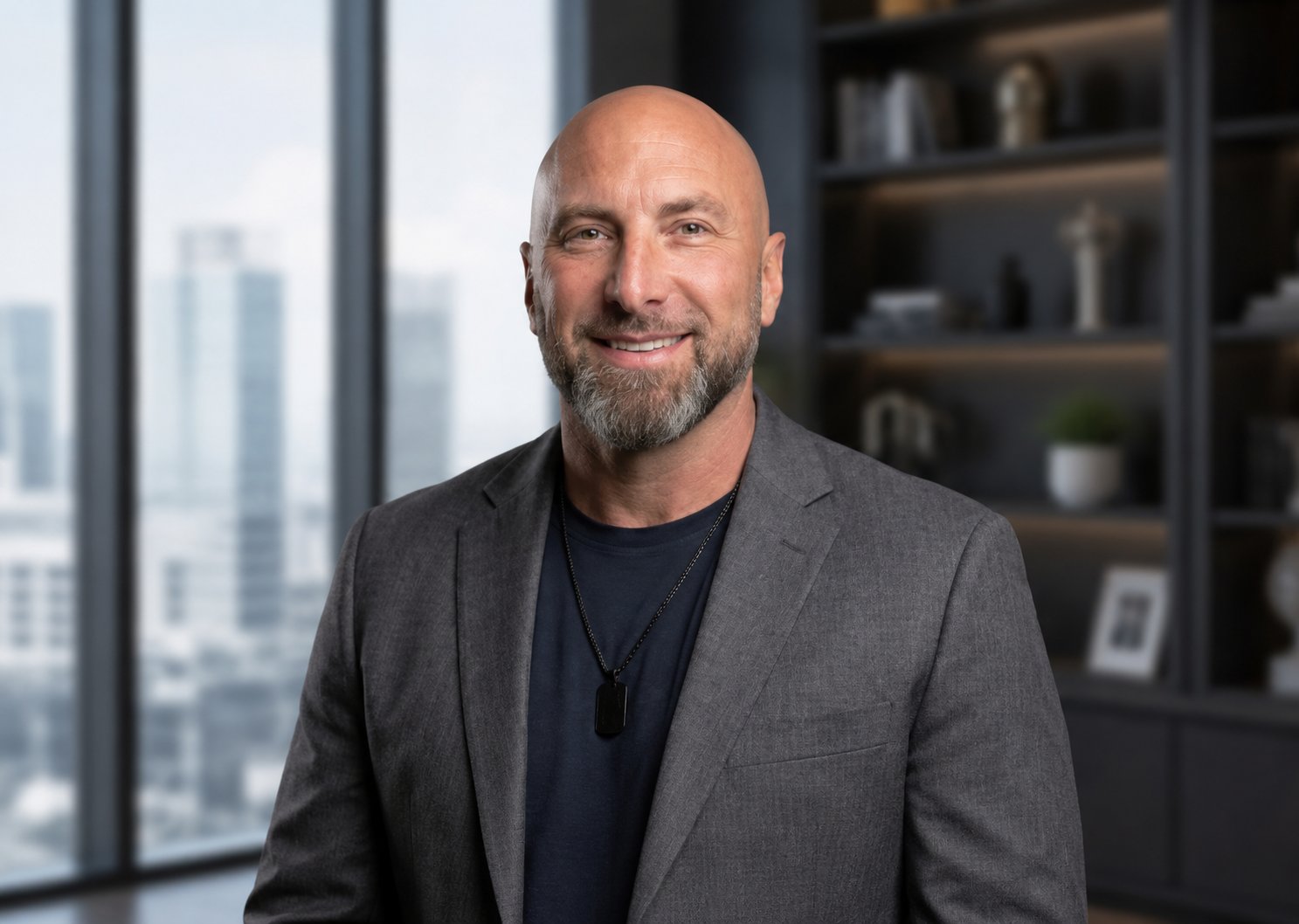
Neil Blumenthal did not build Warby Parker by chasing attention for its own sake. He helped build it by focusing on a problem millions of people already understood. Buying glasses had become strangely expensive, often frustrating, and far less convenient than it should have been. For a category tied so closely to everyday life, the experience felt outdated.
That gap created an opportunity, but it still took the right kind of founder to turn it into something bigger. Blumenthal brought more than business ambition to the table. He also brought firsthand experience in vision access, a strong sense of mission, and a clear understanding that a modern retail brand needed to be both useful and memorable. Under his leadership, Warby Parker became more than a company that sold frames online. It became one of the best-known examples of how a consumer brand can blend smart pricing, design, convenience, and social impact without losing its identity.
Who Is Neil Blumenthal
Neil Blumenthal is best known as the co-founder and co-CEO of Warby Parker, but his story starts well before the company became a retail success. Before launching the brand, he worked in the vision space through VisionSpring, a nonprofit social enterprise focused on making eyeglasses more accessible in underserved communities. That background mattered. It gave him a practical understanding of how life-changing vision care can be and how many people are priced out of something as basic as clear sight.
That early experience also shaped the way he approached business. Blumenthal did not seem interested in building a company that simply looked modern on the surface. He wanted to help build one that solved a real consumer problem and carried a larger sense of purpose. That mix of commercial thinking and social awareness became one of the defining traits of Warby Parker from the beginning.
As the company grew, so did his reputation as a founder who could balance brand, operations, and mission. In a crowded startup world full of flashy promises, Blumenthal stood out by helping build a business people could actually use, trust, and return to.
The Problem Neil Blumenthal Wanted to Solve in Eyewear
The success of Warby Parker makes more sense once you look at the market it entered. For years, buying prescription glasses often felt like a bad deal. Many consumers were paying high prices for frames and lenses, even when the shopping experience itself felt inconvenient or uninspired. The category was ripe for change.
Blumenthal and the founding team saw that frustration clearly. People did not just want cheaper glasses. They wanted a better overall experience. They wanted frames that looked good, prices that felt reasonable, and a buying process that did not feel like a chore. That insight became the foundation of the business.
This was not just a pricing story. It was about removing friction. Traditional optical retail had built too many barriers into the process. Warby Parker took the opposite approach. It aimed to make eyewear feel approachable, stylish, and simple enough for modern consumers who were already comfortable shopping online.
That idea seems obvious now, but at the time it helped the company stand out immediately. Blumenthal understood that in retail, people remember the brands that make life easier.
How Neil Blumenthal Helped Launch Warby Parker
Warby Parker was founded in 2010 by Neil Blumenthal, Dave Gilboa, Andy Hunt, and Jeff Raider. The origin story has become well known because it was rooted in a relatable problem. One of the founders lost his glasses while traveling and realized how costly it would be to replace them. That experience sparked a bigger conversation around why eyewear had become so expensive in the first place.
Blumenthal helped turn that frustration into a real business. The founding team did not try to create just another glasses company. They built an alternative to the old model by designing frames in-house, selling directly to customers, and rethinking how people discovered and tried on eyewear.
That mattered because the company launched with a stronger point of view than many startups do. It was not vague about what it stood for. It wanted to offer better-looking prescription eyewear at a more reasonable price and do it in a way that felt fresh, useful, and customer-friendly.
From the start, Warby Parker felt like a brand with a clear personality. It had taste, but it was not trying too hard. It had a mission, but it did not lead with corporate language. That balance helped the company feel modern in a way that many legacy players did not.
Why Warby Parker’s Business Model Stood Out Early
A major reason Warby Parker took off was its direct-to-consumer model. By cutting out layers of traditional distribution, the company gave itself more control over pricing, design, and the customer relationship. That alone made it different from many older players in the eyewear space.
For shoppers, the appeal was easy to understand. The frames looked polished and contemporary, but the pricing felt far more accessible than what many people were used to seeing in optical stores. That combination of style and value helped the brand spread quickly through word of mouth.
Blumenthal also seemed to understand that price only gets you so far. People may try a brand because it is affordable, but they stay when the experience feels smooth and the product feels dependable. Warby Parker worked because it gave customers a sense that they were getting something smart, not something cheap.
That distinction helped the company build trust. It was not framed as a discount story. It was framed as a better way to buy glasses.
How Home Try-On Helped Warby Parker Get Noticed
One of the smartest ideas tied to the brand’s early growth was Home Try-On. At a time when many people still felt hesitant about buying glasses online, this feature gave them a way to test frames in real life before making a decision. That solved one of the biggest objections in the category.
Buying eyewear is personal. People want to know how frames look on their face, how they fit, and whether they match their style. Blumenthal and the team understood that a successful online eyewear company could not ignore that reality. Home Try-On worked because it respected how people actually shop.
It also made the brand memorable. Plenty of startups talk about convenience, but Warby Parker turned convenience into a genuine experience. Trying on multiple frames at home made the process feel less intimidating and more enjoyable. It brought some of the comfort of in-store browsing into the customer’s own space.
That helped the company earn attention early and positioned it as a brand that was not just selling online, but rethinking what online buying could feel like.
Neil Blumenthal’s Approach to Building a Brand People Remember
A lot of consumer brands can explain what they sell. Far fewer can make people care. Warby Parker did that unusually well, and Blumenthal played a big part in shaping that identity.
The company built a brand that felt clean, witty, polished, and easy to recognize. It managed to be stylish without becoming exclusive. That balance is harder to pull off than it looks. Many brands in fashion-adjacent categories end up leaning too far into luxury signals or too far into low-price messaging. Warby Parker found a middle ground that felt both aspirational and accessible.
Its branding worked because it matched the product experience. The website felt simple. The language felt human. The stores, once they expanded, reflected the same calm and thoughtful personality. Customers were not stepping into one brand online and a completely different one offline.
Blumenthal’s success was not just in helping sell glasses. It was in helping create a brand world that felt consistent. That consistency gave the company staying power.
How Social Impact Became Part of the Warby Parker Story
One of the most distinctive parts of Warby Parker’s rise is that social impact was not added later as a marketing layer. It was built into the company’s identity from early on. Through Buy a Pair, Give a Pair, the company connected every purchase to a wider mission around vision access.
That idea lined up naturally with Blumenthal’s background at VisionSpring. He had already spent years working around the issue of access to glasses in lower-income communities, so the social mission did not feel borrowed. It felt connected to his experience and to the problem the company was trying to solve.
This helped Warby Parker stand out in another important way. The brand was not only saying that eyewear should be more affordable for paying customers. It was also tying growth to a broader impact story. For many shoppers, that created an extra layer of meaning.
Just as importantly, the company did not need to rely on guilt or overblown messaging. The mission worked because it was integrated into the business model and into the brand’s voice. It gave customers one more reason to feel good about choosing the company, but it did not replace the need for strong products and a strong experience.
From Online Disruptor to Omnichannel Retail Brand
A lot of people still associate Warby Parker with online disruption, but one of the smartest parts of its growth story is that it did not stay limited to e-commerce. As the company expanded, it moved deeper into physical retail and built an omnichannel model that made the brand even stronger.
That shift showed strategic maturity. Blumenthal and the leadership team recognized that eyewear is a category where many customers still value in-person interaction, fittings, eye exams, and the confidence that comes from trying products on face to face. Opening stores did not mean abandoning the digital model. It meant strengthening it.
The retail footprint also gave Warby Parker more visibility and credibility. Stores made the brand feel more established, more convenient, and easier to trust. For customers who first discovered the company online, physical locations provided another touchpoint. For those who preferred in-person shopping, the stores made the brand more accessible.
This evolution is one of the clearest signs of how Blumenthal helped move the company from startup to lasting business. Real growth often comes from knowing when to expand the original model without losing what made it special.
How Warby Parker Grew Beyond Selling Frames
Another reason Warby Parker became more than a startup success story is that it expanded beyond frames alone. Over time, the company moved further into vision care, adding categories and services such as contact lenses, eye exams, and a broader care experience.
That move made sense because it deepened the customer relationship. Instead of being a brand people visited only when they needed a new pair of glasses, Warby Parker positioned itself as a more complete part of how people manage their vision needs.
This kind of expansion is easy to get wrong. Brands sometimes stretch too far and lose focus. In Warby Parker’s case, the expansion felt connected to its original mission. It was still about making vision care easier, more approachable, and more aligned with how modern customers want to shop.
That broader role also gave the company more room to grow. It could serve existing customers in more ways, create new reasons for repeat visits, and strengthen its place in the vision-care market without drifting away from its identity.
Leadership Lessons From Neil Blumenthal’s Success
There are a few clear lessons in Neil Blumenthal’s journey with Warby Parker. The first is that strong businesses often begin with a simple frustration that many people already feel. He did not invent demand out of thin air. He identified a category where customers were ready for something better.
The second lesson is that convenience matters most when it solves a real emotional barrier. Buying glasses is not just a transaction. It is tied to confidence, appearance, health, and daily comfort. Features like Home Try-On, thoughtful retail design, and easier access to vision care worked because they responded to how customers actually think and behave.
Another lesson is that brand and mission work best when they reinforce the product rather than distract from it. Warby Parker succeeded because the company did not ask customers to choose between style, price, and purpose. It tried to bring those things together in one experience.
Blumenthal’s leadership also shows the value of steady evolution. He helped build a brand that started with online eyewear, then expanded into stores, services, and a more complete vision-care ecosystem. That kind of growth requires discipline. It means staying clear about what the company is really offering, even as the business gets bigger.
What Neil Blumenthal’s Warby Parker Journey Says About Modern Entrepreneurship
The rise of Warby Parker says a lot about what modern consumers expect from brands. They want value, but they also want design. They want convenience, but they still care about trust. They respond to purpose, but only when it feels credible. Neil Blumenthal helped build a company that understood all of those expectations early.
That is why Warby Parker still stands out. Its success did not come from one clever tactic or one viral moment. It came from building a business that made sense from multiple angles. The company solved a pricing problem, improved the customer experience, created a recognizable brand, and tied growth to a broader mission.
For founders, that makes Blumenthal’s story especially useful. It is not just a startup tale. It is a case study in how to build something that feels relevant, scalable, and durable. Warby Parker succeeded because it treated eyewear as both a consumer need and a branding opportunity, and Blumenthal helped guide that balance from the beginning.
In that sense, his success is not only about selling glasses. It is about proving that a modern company can grow by being more thoughtful about what customers need, how they want to buy, and why they want to believe in a brand at all.