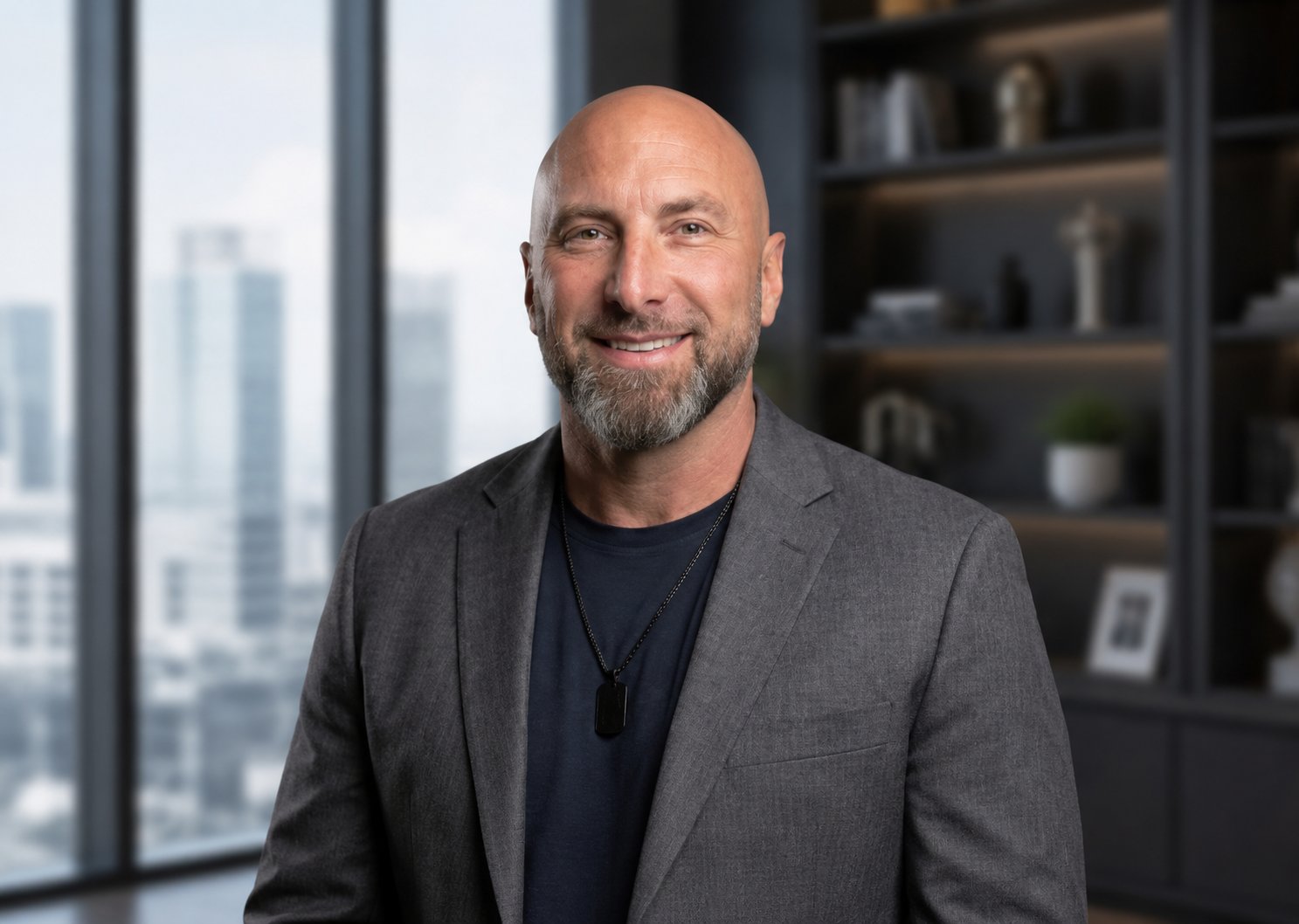
Susan Yara did not build Naturium by following the usual beauty-brand formula. She was not coming in as a celebrity with a licensing deal, and she was not trying to turn a short burst of internet attention into a quick product launch. What made her path different was the mix of experience she brought with her. She understood beauty media, knew how skincare conversations worked online, and had spent years learning what real customers actually cared about when they were deciding what to put on their skin.
That gave Naturium something many newer brands never fully develop. It had a point of view from the start. It knew how to speak to an audience that wanted effective skincare without the luxury markup, and it entered the market at a moment when ingredient-aware customers were paying close attention.
Over time, Naturium grew from a brand people were curious about into one of the most talked-about modern skincare success stories. Its rise was not just about hype. It was about positioning, product clarity, retail growth, and a founder who understood that trust is one of the most valuable assets in beauty.
Who Susan Yara Was Before Naturium Ever Existed
To understand why Naturium grew the way it did, it helps to look at Susan Yara’s background first. Before she became known as a brand founder, she had already built a career around beauty content and product education. She worked in media, spent time in beauty journalism, and later became widely recognized through Mixed Makeup, the digital platform she co-created around skincare and beauty education.
That background mattered more than it might seem at first. A lot of beauty founders enter the market with a personal brand, but not all of them have years of experience translating skincare into language everyday shoppers can actually understand. Susan Yara had already spent a long time doing exactly that. She had talked about routines, ingredients, trends, skin concerns, and product performance long before Naturium became a business.
That gave her an edge. She was not guessing what the skincare customer wanted. She had spent years listening to questions, seeing confusion around ingredients, and watching how people shopped. She knew that many consumers were interested in actives like niacinamide, vitamin C, retinol, glycolic acid, and peptides, but they were also overwhelmed by marketing claims, pricing differences, and complicated routines.
Naturium was able to step into that space with a message that felt clear from day one.
The Market Gap Susan Yara Helped Naturium Fill
One of the biggest reasons Naturium connected so quickly is that it sat in a very smart place in the market. It was not trying to compete as a traditional prestige skincare label, but it also did not want to feel like a generic low-cost option. Instead, it aimed for something that modern skincare shoppers were already looking for: formulas that felt elevated, ingredient-driven, and results-focused at a price that still felt reachable.
That positioning sounds simple now, but timing matters in beauty. The skincare market had already started shifting toward ingredient literacy. Customers were no longer buying products based only on pretty packaging or broad promises. They wanted to know what was inside. They wanted to understand how a serum worked, what a cleanser was meant to do, and whether a moisturizer actually matched their skin concerns.
Naturium arrived in a space where customers were looking for that mix of education and performance. The brand’s promise was easier to grasp than a lot of luxury skincare messaging. It was about clinically effective, skin-compatible formulas that still felt accessible.
That is a very strong value proposition because it meets the customer where they are. It says you do not need to spend a fortune to get smart skincare. You also do not need a ten-step routine or a luxury label to feel like you are using something thoughtful and effective.
Naturium Entered the Conversation With a Clear Identity
Many skincare brands struggle because they launch too broadly. They want to be everything at once, so their message gets blurry. Naturium avoided a lot of that by building around a more defined identity.
Its core appeal was ingredient-led skincare with a modern feel. The brand made it easy for consumers to recognize what they were buying and why it might fit into their routine. Instead of leaning only on vague beauty language, it built around formulas, benefits, and specific skin concerns.
That clarity matters in a crowded category. When a customer sees niacinamide, vitamin C, retinol, peptides, or glycolic acid, they immediately have a rough idea of what the product is designed to do. Naturium used that familiarity well. It helped the brand feel relevant to experienced skincare shoppers while still being approachable enough for people who were learning.
The product range also supported the brand identity. Naturium was not built only around one hero serum or one viral drop. It created a wider routine-based offering across face care, body care, cleansers, moisturizers, sunscreens, and treatment products. That made it easier for customers to stay in the brand ecosystem instead of buying one item and leaving.
Susan Yara’s Content Background Became a Real Business Advantage
It is easy to say that creators have built-in audiences, but audience size alone does not explain why some founder-led brands work and others fade out. What helped Susan Yara was not just visibility. It was the kind of relationship she had built with skincare-focused viewers.
She had already trained people to think of beauty content as something useful, not just entertaining. That matters because skincare is a category driven by repeat trust. People are not just buying a lipstick shade for fun. They are buying products they hope will improve texture, breakouts, dryness, dullness, or uneven tone. That kind of purchase requires more confidence.
Susan Yara understood how to explain products in a way that felt human and practical. She knew that education could be part of the brand itself, not just a marketing layer added later. Naturium benefited from that approach because it could speak to customers with more substance than many trend-driven brands.
That educational tone also matched the direction of the modern skincare market. Buyers wanted transparency. They wanted useful ingredient explanations. They wanted to feel that they were choosing products for a reason, not simply because a campaign looked expensive.
Naturium made that easier. And when a brand helps customers feel smarter, it usually builds stronger loyalty.
Why Naturium Connected With the Modern Skincare Customer
The modern skincare customer is more informed than the average beauty buyer from a decade ago. They compare ingredients. They read reviews. They notice texture, packaging, pricing, and product concentration. They think about barrier support, brightness, acne, hydration, and sensitivity in more specific ways.
Naturium matched that customer mindset well.
The brand looked polished without feeling unattainable. It used language that felt current without sounding empty. Most importantly, it offered products that fit into real routines. That helped Naturium avoid becoming a brand people only admired from a distance. It became one people could actually use every day.
That everyday factor matters more than people think. Beauty success is not built only on buzz. It is built on repeat purchases. A cleanser that gets repurchased is often more valuable than a flashy launch that gets attention for a week. A body wash that becomes part of someone’s routine can do more for long-term revenue than a viral post alone.
Naturium seemed to understand that. Its growth was supported by products that felt usable, familiar, and relevant to regular skincare habits. That made it easier for the brand to move from curiosity to consistency.
Product Strategy Helped Naturium Become More Than a Personality Brand
One of the biggest challenges for founder-led brands is proving they can survive beyond the founder’s image. Consumers may try a product because of the person behind it, but the business only becomes durable when the products can stand on their own.
Naturium made progress here by focusing on product categories people already wanted and by building formulas that fit clearly into those categories. Instead of asking the market to understand an entirely new concept, it met existing demand with stronger execution.
Its bestselling products also helped shape the brand story. Items like vitamin C serums, moisturizers, SPF products, and body care are easier to build habitual demand around because they fit into repeat-use routines. That is a big part of how skincare brands scale. They do not only sell aspiration. They sell replenishment.
This is where Naturium started to look more like a serious skincare business than a founder side project. It had recognizable hero products, but it also had range. It gave customers a reason to come back for more than one item. That kind of product architecture helps turn brand awareness into actual business momentum.
Retail Expansion Gave Naturium Real Scale
A strong direct-to-consumer story can help launch a beauty brand, but retail often changes the size of the opportunity. Naturium benefited from being available through channels that made the brand more visible and easier to buy.
That availability mattered because accessibility has always been part of the brand promise. If a brand says high-performance skincare should be within reach, it has to show up where people actually shop. Naturium’s presence through its own site, Amazon, and major retail distribution helped make that promise feel real.
Retail also changes how a brand is perceived. When customers see a skincare line earning shelf space and performing well in large retail environments, it builds confidence. It signals that the brand is not just internet-popular. It is commercially relevant.
That is one reason Naturium’s growth attracted so much attention. It was not only winning through online conversation. It was also building the kind of distribution and sales momentum that larger beauty companies watch closely.
Timing Played in Naturium’s Favor but Execution Did the Rest
It is true that Naturium entered the market during a period when skincare was booming. Consumers were becoming more ingredient-aware, body care was becoming more sophisticated, and mass-market shoppers were increasingly open to science-backed products that felt premium without prestige pricing.
But good timing alone does not create a breakout brand. Plenty of companies launch into the right trend and still fail to stand out.
Naturium made the most of the moment because it paired the trend with execution. It had a recognizable founder, but it did not rely on founder identity alone. It had clear messaging, but it also had the formulas and assortment to support that messaging. It had educational authority, but it also had a retail path that turned awareness into access.
That combination is what made the brand feel stronger than a lot of short-lived skincare launches.
The Business Milestones That Changed the Story
At a certain point, Naturium stopped being discussed only as an influencer-adjacent skincare brand and started being recognized as a serious modern beauty business. That shift becomes clearest when you look at the brand’s major milestones.
Its growth trajectory drew attention because it was moving quickly in a competitive market. Then came the milestone that made the business world pay even closer attention: e.l.f. Beauty’s acquisition of Naturium in 2023 for $355 million.
That moment changed the scale of the story. Acquisitions of that size do not happen just because a founder has a following. They happen because a brand shows meaningful traction, strategic fit, and real business potential.
The deal also reinforced what had already become clear. Naturium had built something valuable in a relatively short time. It had product-market fit. It had a consumer base. It had enough retail and brand strength to become attractive to a major beauty player looking to expand its skincare presence.
For Susan Yara, that acquisition placed Naturium in a different category. It was no longer simply a creator-led brand that exceeded expectations. It became part of the larger conversation around how modern beauty companies are built, scaled, and valued.
What Made Naturium Different From So Many Creator-Led Brands
A lot of founder-backed beauty launches get immediate attention, but attention is not the same as durability. What helped Naturium stand out was that it seemed built with a longer business lens.
It had a stronger product-first identity than many personality-driven brands. It entered a category where Susan Yara already had credibility. It used skincare education as part of the brand engine. And it focused on the kind of price-to-performance balance that tends to matter in mass beauty.
It also felt more in tune with how the customer was evolving. The modern skincare shopper wants proof, clarity, and value. They do not want to feel talked down to, and they do not want branding to do all the work. Naturium understood that dynamic early.
That does not mean the journey was perfect. Like many public founder stories, it had moments of scrutiny along the way. But in business terms, one of the most important things about Naturium is that it kept building. The brand did not disappear after the noise. It continued to grow, win retail support, and strengthen its position.
That resilience matters. It shows that long-term success usually comes from a mix of product strength, customer relevance, and strategic execution, not from having a flawless launch narrative.
What Entrepreneurs and Beauty Founders Can Learn From Susan Yara and Naturium
There is a reason the Susan Yara and Naturium story keeps getting attention. It offers lessons that reach far beyond skincare.
The first lesson is that audience trust becomes far more valuable when it is connected to real category knowledge. Susan Yara did not enter skincare from a random angle. She already understood the space deeply, and that made the brand feel more grounded.
The second lesson is that positioning matters as much as product. Naturium knew where it belonged in the market. It gave consumers a clear answer to a simple question: why this brand instead of another one.
The third lesson is that accessibility can be a growth strategy, not just a pricing decision. Naturium’s promise of high-performance skincare at reachable price points helped it appeal to a broad customer base without losing its sense of quality.
The fourth lesson is that modern brand building is no longer just about ads. Content, education, ingredient literacy, and founder communication all shape how consumers evaluate a business.
And finally, the story shows that success in beauty often comes from building something that people can return to again and again. Not just a brand they notice once, but a brand they keep in their routine.
Susan Yara helped turn Naturium into that kind of brand. That is why its rise feels bigger than a typical launch story. It reflects what modern consumers want, what modern retail rewards, and what modern beauty businesses need in order to last.