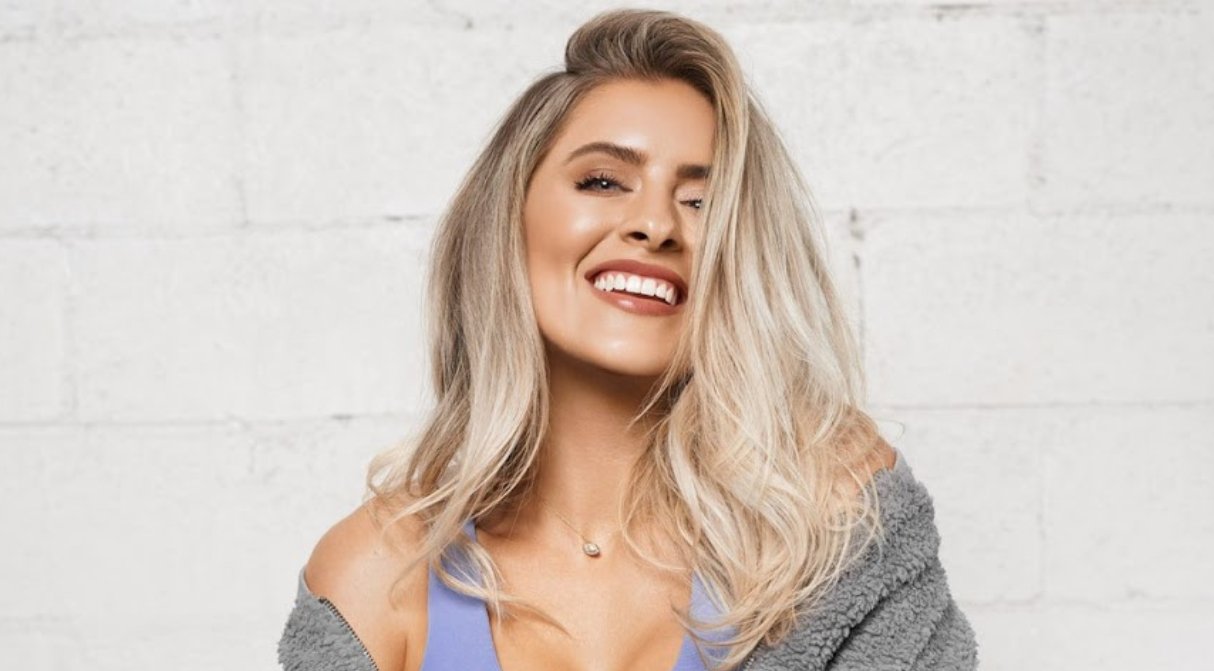
Whitney Simmons started where a lot of modern fitness names begin: on social media, sharing workouts, motivation, and a version of fitness that felt more approachable than intimidating. But what makes her story worth paying attention to is not just that she built a big audience. It is that she turned that attention into something more durable.
Plenty of creators get views. Far fewer build a brand that can live outside the feed.
That is where Whitney Simmons stands out. Her growth has not been built on viral moments alone. She has expanded her fitness influencer brand by creating a stronger business foundation through Alive, while also extending her reach and lifestyle appeal through Gymshark. Together, those two pieces helped move her from being known only as a content creator to being recognized as a founder, brand partner, and long-term player in the wellness space.
How Whitney Simmons Built Her Original Fitness Influencer Brand
Before Alive became a central part of her business, Whitney Simmons had already created a strong connection with her audience. Her workout videos, gym routines, and motivational content resonated because they did not feel overly polished or distant. She came across as encouraging, real, and easy to follow.
That matters more than people sometimes realize.
In the fitness industry, there is no shortage of workout advice. The internet is full of training plans, body transformation posts, and quick tips. What often separates one creator from another is not access to information. It is trust. Whitney built that trust by making fitness feel less intimidating and more personal. Her content often reflected consistency, self-improvement, and confidence, but without sounding preachy.
That tone helped her attract a loyal audience rather than a casual one. And loyal audiences are the ones who eventually support products, memberships, and brand extensions.
This is a big reason her business story works. She did not try to force a company before building a relationship with people. She built the relationship first. Then she gave that audience something deeper to engage with.
How Alive Gave Her Brand a Business Foundation
One of the biggest differences between an influencer and a founder is ownership. Social platforms are useful for reach, but they are not something a creator fully controls. Algorithms change. Engagement shifts. Trends move fast. That is why so many creators eventually hit a wall if all they have is content.
Alive gave Whitney Simmons something more stable.
Instead of relying only on free workout posts and short-form motivation, she built a platform where users could follow structured programs, daily workouts, and themed challenges. That changes the relationship between creator and audience. A follower might watch a video once and move on. A member inside a fitness platform is more likely to return, build a routine, and stay connected over time.
That is where the business side becomes real.
Alive is not just an extension of her social content. It is a product. It gives people a place to train with more structure, more guidance, and more consistency than social media usually allows. It also creates a repeat-use environment, which is what stronger businesses are built on. When someone opens an app regularly for workouts, progress tracking, and support, that creator is no longer just inspiring them. She is becoming part of their routine.
That is a major shift.
It also explains why Alive matters so much in the Whitney Simmons brand story. It turned her from someone people followed into someone whose product people could actually use on an ongoing basis.
Why Alive Feels Bigger Than a Basic Fitness App
There are plenty of fitness apps on the market, so simply launching one is not enough to stand out. What helps Alive feel different is that it carries the same emotional tone that made Whitney’s content successful in the first place.
The app is built around more than random workouts. It offers guided programs for different needs, daily training options, challenges, and useful training features that make the experience feel more personalized. That matters because many people do not just want content. They want direction. They want to know what to do next, how to stay consistent, and how to make fitness fit into real life.
Whitney Simmons built her public image around being motivating without being overly harsh. Alive extends that same identity into a digital product. Instead of fitness feeling punishing or exclusive, it feels more supportive and realistic.
That is a smart brand move.
A lot of creator-led products fail because they feel disconnected from the personality that made the creator popular in the first place. Alive works better because it feels aligned with Whitney’s existing audience expectations. People who liked her for her encouraging style could step into a product that reflected the same energy.
That creates continuity, and continuity builds brand trust.
It also helps move her from the crowded category of workout creator into the more valuable space of creator-led wellness business. That difference may sound small on paper, but in reality it changes how people see the brand. One is based on attention. The other is based on participation.
How Gymshark Expanded Whitney Simmons Beyond Digital Content
If Alive gave Whitney Simmons an owned platform, Gymshark helped extend her influence into a visible lifestyle category.
That part of her growth matters because fitness is not only about training plans. It is also about identity. What people wear to the gym, the brands they connect with, and the creators they associate with all shape how fitness culture works online and offline.
Her relationship with Gymshark helped Whitney become more than a creator people watched on a screen. It gave her a presence in the product side of fitness culture. Collections tied to her name made the brand more tangible. Instead of just following her workouts, people could engage with a product experience connected to her personal style and fitness image.
That kind of partnership does more than create extra visibility. It strengthens brand memory.
When someone repeatedly sees Whitney Simmons connected to a recognizable fitness apparel brand, her identity becomes bigger than content alone. She starts to occupy more space in the market. She is not only the person giving workout advice. She is also part of how her audience imagines the fitness lifestyle itself.
This is one of the smartest parts of her growth. Alive serves the training side. Gymshark strengthens the lifestyle side. Together, they create a fuller personal brand.
From Influencer Partnership to Stronger Brand Authority
Not all brand partnerships mean much. Some are one-off sponsorships that disappear as quickly as they show up. What makes Whitney Simmons and Gymshark more notable is that the relationship has had depth and continuity.
Longer partnerships usually signal more than just a paid campaign. They suggest brand alignment. They suggest the audience fit. They also build a sense of credibility over time, because people stop seeing the relationship as a random promotion and start seeing it as part of the creator’s real brand ecosystem.
That is important in fitness, where audiences are quick to notice when something feels forced.
Whitney’s connection with Gymshark has gone beyond simply wearing activewear. It has grown into a bigger creative role tied to the Adapt line, which shows a different level of brand trust. That matters because it positions her as someone with influence over the direction of a product line, not just someone hired to promote it.
There is a difference between being featured and helping shape what gets featured.
That difference adds weight to her brand story. It suggests she is valued not just for audience size, but for taste, positioning, and a clear understanding of what resonates with her community.
Why Alive and Gymshark Worked Better Together
A lot of personal brands feel scattered. One product says one thing, a partnership says another, and the overall message becomes messy. Whitney Simmons avoided that problem by growing through pieces that actually fit together.
Alive and Gymshark support different parts of the same identity.
Alive speaks to people who want structure, progress, motivation, and guidance. Gymshark speaks to people who want the style, confidence, and visual expression that often comes with modern fitness culture. One helps users train. The other helps reinforce the lifestyle around that training.
That combination makes the brand feel more complete.
It also helps explain why Whitney Simmons has been able to expand her fitness influencer brand without losing clarity. The parts of the brand do not compete with each other. They reinforce each other. Someone might discover her through content, join Alive for programming, and then feel even more connected through Gymshark products associated with her name and style.
That is how personal brands become ecosystems.
Instead of relying on a single revenue stream or one platform, the brand grows through multiple connected touchpoints. This is usually where influencer brands become stronger businesses. They stop depending on one thing doing all the work.
The Business Model Behind Whitney Simmons’ Brand Expansion
If you strip away the social media language, Whitney Simmons has built a fairly smart creator business model.
Content brings attention.
Alive turns part of that attention into an owned platform where users can stay engaged for longer.
Gymshark extends her relevance into a major consumer category that fits naturally with fitness and self-image.
Each layer plays a different role.
Her content keeps her visible. Alive gives her something she controls. Gymshark helps widen her cultural and commercial presence. That mix is much stronger than relying only on sponsorships or ad revenue.
It also gives her more longevity. Fitness creators who only post online are always vulnerable to shifts in algorithms and audience fatigue. But creators who build products and long-term partnerships have more room to evolve. They are building business assets, not just chasing engagement.
Whitney Simmons is a good example of that shift. Her brand has grown because she did not stop at influence. She used influence as the starting point.
What Makes Whitney Simmons’ Growth Story Stand Out
There are a lot of fitness influencers online, but not all of them become memorable brands. Whitney Simmons stands out because her expansion feels believable.
Her brand growth does not come across like a random rush to monetize. It feels like an extension of the same things that made people connect with her in the first place: motivation, relatability, confidence, and a sense of support.
That is a big reason her transition has worked.
When creators move into products too quickly, audiences often feel the disconnect. But when the product matches the creator’s voice and the partnership fits their image, the brand feels stronger rather than more commercial. Whitney’s brand has largely stayed on that stronger side.
She also benefits from operating in a category where community and identity matter. Fitness is not just transactional. People want accountability, belonging, and inspiration. That gives creators like Whitney more room to build something lasting if they can translate trust into products and routines people genuinely want.
Alive helps with that by offering structure and repeat value. Gymshark helps by making the brand visible in a more physical, lifestyle-driven way. Together, they show how a creator can expand without drifting too far from what originally made the audience care.
What Other Fitness Creators Can Learn From Whitney Simmons
The first lesson is simple: attention is not the same thing as a business.
A creator can have a big following and still have a fragile brand if everything depends on views. Whitney Simmons shows why it is smarter to build something people can return to, not just scroll past.
The second lesson is that product fit matters more than product quantity. She did not try to attach her name to everything at once. The pieces that became central to her brand made sense for her audience.
The third lesson is that strong partnerships can do a lot when they are selective and consistent. A good long-term partnership can elevate a brand far more than a dozen forgettable sponsorships.
The last lesson is that trust is still the real engine behind creator-led growth. Apps, collaborations, and collections matter, but they work best when the audience already believes in the person behind them.
Whitney Simmons did not build a stronger fitness influencer brand by abandoning content. She built it by using content as the front door and then creating better reasons for people to stay.