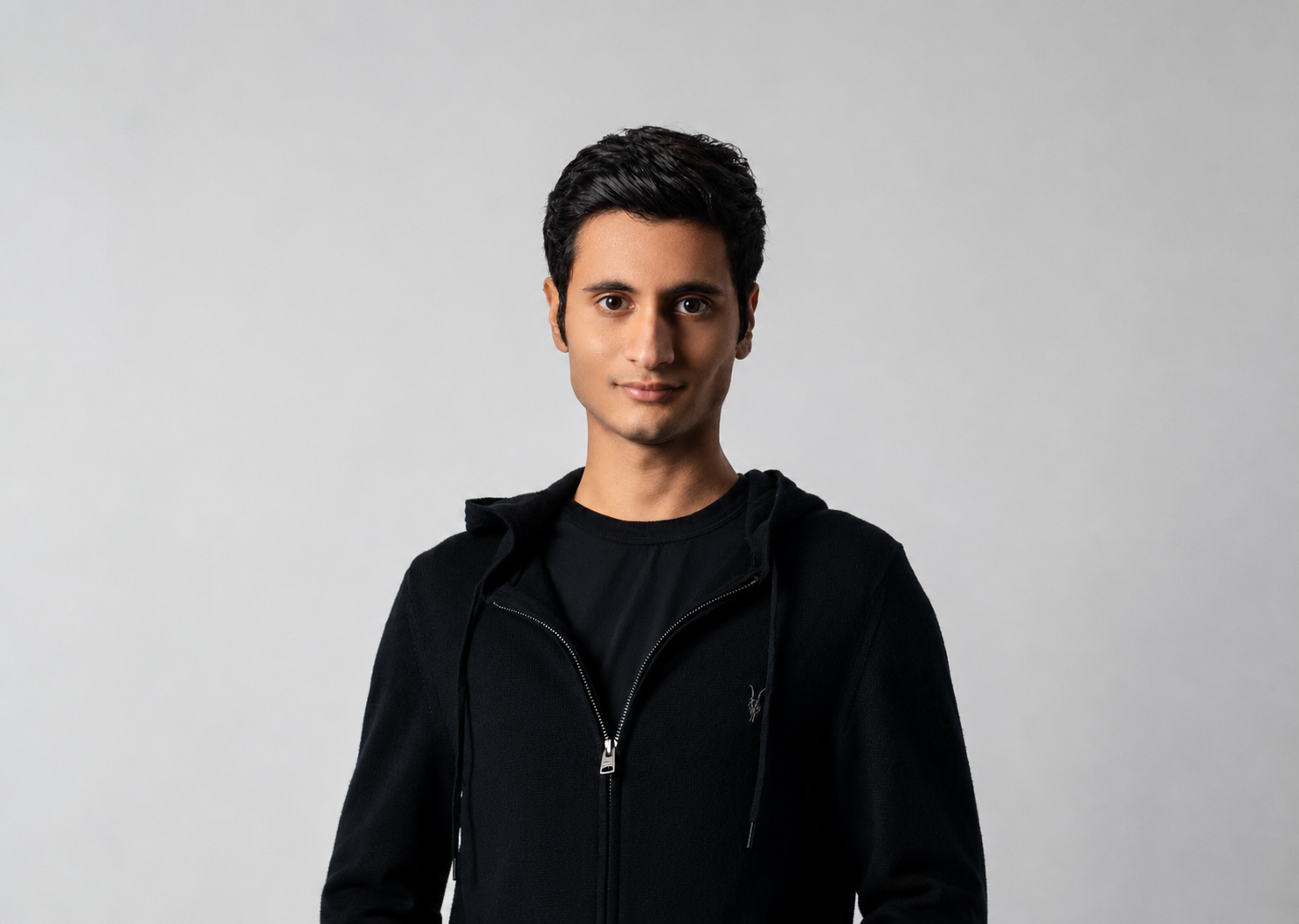
Hyram Yarbro did not build his reputation the way most beauty founders do. He did not come from a legacy skincare company, and he did not become known because of celebrity status outside the beauty space. He built his name by talking to people in a way that felt clear, honest, and easy to understand. For a generation of skincare shoppers overwhelmed by bold claims, luxury branding, and ingredient confusion, that mattered.
Before Selfless by Hyram ever reached Sephora shelves, Hyram had already earned something more valuable than early sales hype. He had audience trust. People followed him because he broke skincare down in plain language, called out products that did not live up to the marketing, and focused on ingredient transparency over flashy packaging. That trust became the real starting point for his brand.
When Selfless by Hyram launched, it did not feel like a random influencer side project. It felt like a direct extension of what people already knew him for. The line connected skincare education, gentle but effective formulas, and social impact in a way that matched his public image. That is a big reason the brand attracted attention so quickly. Hyram Yarbro was not asking people to believe in a new personality. He was giving them a brand that reflected the one they had already been following.
Why Hyram Yarbro Connected So Strongly With Skincare Audiences
A big part of Hyram Yarbro’s rise came down to tone. He made skincare feel less intimidating. Instead of sounding like a textbook or a luxury campaign, his content felt more like a smart friend helping you understand what was actually worth using. That approach made him especially popular with younger skincare shoppers who wanted information without feeling talked down to.
He also came into the space at the right time. More consumers were starting to pay attention to ingredients, skin barrier health, acne care, hyperpigmentation, and the difference between marketing language and real product function. Hyram built content around those questions in a way that felt practical. He talked about what niacinamide does, why fragrance can be a problem for some people, how sensitive skin reacts to harsh formulas, and why simple routines often work better than overcomplicated ones.
That style gave him an edge. He was not just recommending products. He was teaching people how to think about skincare. That makes a huge difference when you are building credibility online. Followers may enjoy entertaining content, but they come back consistently when they feel like they are learning something useful.
How Hyram Yarbro Built Trust Before Launching Selfless by Hyram
Trust is not built in one viral video. It is built over time through consistency. Hyram Yarbro became known for being selective, ingredient-focused, and careful about the products he praised. That created a stronger connection with his audience than a typical influencer model built on endless promotions.
His content worked because it aligned with what people wanted from modern skincare education. Consumers were becoming more skeptical. They wanted honesty, not vague promises. They wanted ingredient transparency, not polished ad language. They wanted someone who seemed willing to say when a formula was overpriced, overhyped, or simply not a good fit.
That gave Hyram a strong foundation for a future founder-led brand. By the time Selfless by Hyram arrived, his audience already associated him with accessible skincare, budget awareness, gentle active ingredients, and thoughtful product recommendations. In other words, the brand did not have to invent its identity from scratch. His audience already understood the values behind it.
The Gap Hyram Yarbro Saw in the Skincare Market
The skincare market is crowded, but crowded does not always mean clear. Plenty of brands compete on trends, luxury image, influencer buzz, or aggressive claims. Hyram Yarbro saw room for something more grounded.
There was a growing appetite for skincare that felt effective without being intimidating. Many shoppers wanted products that addressed real concerns like post-acne marks, texture, dullness, dehydration, and barrier support, but they also wanted formulas that did not feel harsh or confusing. At the same time, younger consumers were paying more attention to sustainability, ethical sourcing, and whether a brand stood for anything beyond sales.
That is where Selfless by Hyram found its lane. It was not just positioned as another skincare line. It was designed to speak to people who cared about efficacy, accessibility, and purpose at the same time. That combination helped it stand out in a market full of noise.
How Selfless by Hyram Entered the Market With a Different Message
Selfless by Hyram launched in partnership with The Inkey List, which gave the brand an immediate advantage in product philosophy and market positioning. The Inkey List was already known for ingredient-led, straightforward skincare, so the partnership made sense. It connected Hyram’s educational voice with a company that already understood how to build formulas around active ingredients without overcomplicating the message.
The brand also arrived with a clear identity. Selfless by Hyram was framed around effective, gentle skincare tied to a bigger mission. Instead of focusing only on beauty results, the brand linked skincare to social impact through partnerships tied to environmental and human wellbeing. That made it feel different from creator brands built mostly around personality and packaging.
The name itself helped tell that story. Selfless by Hyram suggested that the brand was supposed to reach beyond the mirror. That may sound simple, but in beauty branding, that kind of distinction matters. It gave the company a more meaningful story to tell from day one.
The Role Audience Trust Played in the Brand’s Early Momentum
When a creator launches a product line, the first question people usually ask is simple: does this actually make sense, or is this just another monetization move? Selfless by Hyram started with an advantage because Hyram Yarbro’s audience could see a direct connection between his content and the brand.
He had spent years building authority around skincare reviews, ingredient breakdowns, and consumer education. So when he launched a cleanser, serum, and moisturizer line focused on common skin concerns, it felt believable. Followers did not have to guess what he stood for. They had already seen it in his content.
That made trust a real business asset. Trust lowered resistance. It created curiosity instead of skepticism. It also gave the brand early word-of-mouth power because fans were not just buying a product. They were supporting a founder whose point of view they already valued.
In beauty, attention can bring a launch day spike. Trust is what gives a brand a better chance of lasting beyond the first wave.
How Mission Driven Branding Helped Selfless by Hyram Stand Out
One of the smartest parts of the Selfless by Hyram strategy was that it gave people more than a skincare routine. It gave them a reason to feel connected to the brand on a values level.
The company tied purchases to social impact work through partners including Rainforest Trust and Thirst Project. That made the brand’s purpose more visible and easier to understand. It was not using social good as a vague slogan buried on an about page. It built that message into the core brand identity.
This mattered because younger consumers, especially in beauty, increasingly pay attention to what a brand supports. They notice sustainability claims, ethical sourcing language, climate-conscious packaging, and whether a company seems serious about its standards. Mission-driven branding alone does not guarantee loyalty, but when it aligns with the founder’s public values, it becomes much more convincing.
For Hyram Yarbro, that alignment helped. His audience already expected him to care about ingredient transparency, consumer education, and conscious decision-making. Selfless by Hyram extended that mindset into brand building.
The Product Strategy Behind Selfless by Hyram
Good branding can get people interested, but the formulas still have to make sense. Selfless by Hyram succeeded in part because the product strategy matched the brand promise.
The line focused on gentle active skincare for concerns that many people deal with every day. Products were built around familiar, high-interest ingredients such as salicylic acid, niacinamide, retinol, and hydrating support ingredients aimed at the skin barrier. That helped the range feel modern and relevant without becoming overly technical.
Just as important, the brand did not seem designed only for skincare experts. It was approachable enough for beginners while still appealing to people who already understood ingredients. That middle ground is hard to hit. Some skincare brands sound too clinical for casual shoppers, while others are so simplified that more informed consumers lose interest. Selfless by Hyram found a workable balance.
The pricing also mattered. The products sat in a range that felt more accessible than prestige skincare, which fit Hyram Yarbro’s audience and content style. He had built a reputation around realistic recommendations, so a line that felt financially out of reach would have weakened the brand story.
Retail Growth and What It Meant for the Brand
Retail placement gave Selfless by Hyram another layer of credibility. Launching through Sephora put the brand in front of a much bigger audience and signaled that it was more than a digital creator experiment. Being stocked in a major beauty retailer matters because it changes how consumers view a brand. It says there is enough confidence in the formulas, positioning, and demand for the company to compete in a real retail environment.
That step helped move Selfless by Hyram beyond social media momentum. It allowed the brand to exist in the same shopping space as established skincare names, which is important for long-term brand growth. When a company can convert creator trust into retail presence, it shows that the appeal reaches beyond loyal followers.
The move into Target pushed that idea even further. It gave the brand broader accessibility and exposed it to shoppers who may not have discovered it through YouTube or TikTok. That kind of expansion is a meaningful marker in a brand growth story because it shows how a creator-led company can move from community-driven buzz into a more mainstream consumer presence.
Why Hyram Yarbro’s Personal Brand Mattered So Much
Selfless by Hyram worked because Hyram Yarbro’s personal brand was unusually clear. People knew what he represented. He was associated with honesty, ingredient awareness, affordable skincare, and straightforward education. That clarity gave the company a stronger identity than many influencer brands ever achieve.
A lot of creator-led businesses struggle because the founder’s fame is doing all the work. Once the novelty fades, the brand has little else to stand on. Selfless by Hyram had a better starting point because the founder’s public reputation was tied to a specific category and a clear set of values.
That does not mean personal branding alone guarantees success. It means alignment matters. In this case, the founder voice, the product category, the messaging, and the retail strategy all supported each other. When that happens, a brand feels cohesive instead of forced.
What Selfless by Hyram Got Right in the Creator Brand Era
The creator brand space is crowded because audiences are used to seeing influencers launch products in almost every category. What separates the stronger brands from the forgettable ones is usually focus.
Selfless by Hyram had focus. It knew what it wanted to be. It was not trying to sell a vague lifestyle. It was offering a skincare brand rooted in education, gentle active formulas, value-based branding, and visible social impact. That gave it structure.
It also felt category-native. Hyram Yarbro had earned attention in skincare specifically, so the move into skincare products felt natural. That sounds obvious, but it is one of the biggest reasons some creator brands work while others fall flat. The audience has to believe the founder belongs in that business.
On top of that, the brand understood modern consumer psychology. Buyers increasingly want product performance, but they also want brand credibility, transparency, and a sense that a company knows exactly who it is. Selfless by Hyram delivered that more clearly than many creator-led launches do.
Lessons Other Personal Brands Can Learn From Hyram Yarbro
There are a few useful lessons in the Hyram Yarbro and Selfless by Hyram story.
First, trust should come before monetization. Hyram did not build authority after launching a brand. He built it before. That made the business feel earned rather than rushed.
Second, product-market fit matters more than hype. The brand worked because it reflected what his audience already cared about: effective skincare, ingredient transparency, gentle formulations, and accessibility.
Third, mission matters more when it feels built in from the beginning. Selfless by Hyram did not tack on purpose as an afterthought. Social impact, sustainability language, and conscious beauty positioning were part of the launch story itself.
Fourth, a founder-led brand becomes stronger when the founder’s public identity actually supports the product. In this case, Hyram Yarbro’s background as a skincare educator gave the brand a level of credibility that generic influencer launches often lack.
The Bigger Business Story Behind Selfless by Hyram
At its core, this is a story about how audience trust can become brand equity. Hyram Yarbro built a loyal following by helping people make better skincare decisions. Then he turned that credibility into a company that reflected the same principles.
Selfless by Hyram shows that creator-led success is not only about reach. It is about relevance, alignment, and consistency. Hyram’s audience trusted him because his content felt useful and honest. The brand grew because it carried those same signals into product development, mission-led branding, and retail expansion.
That is what made Selfless by Hyram more than another influencer beauty launch. It gave consumers a clear reason to care, and it gave the market a case study in how personal authority, community trust, and thoughtful brand positioning can work together. In a space where attention is easy to get and much harder to keep, that is a real achievement.