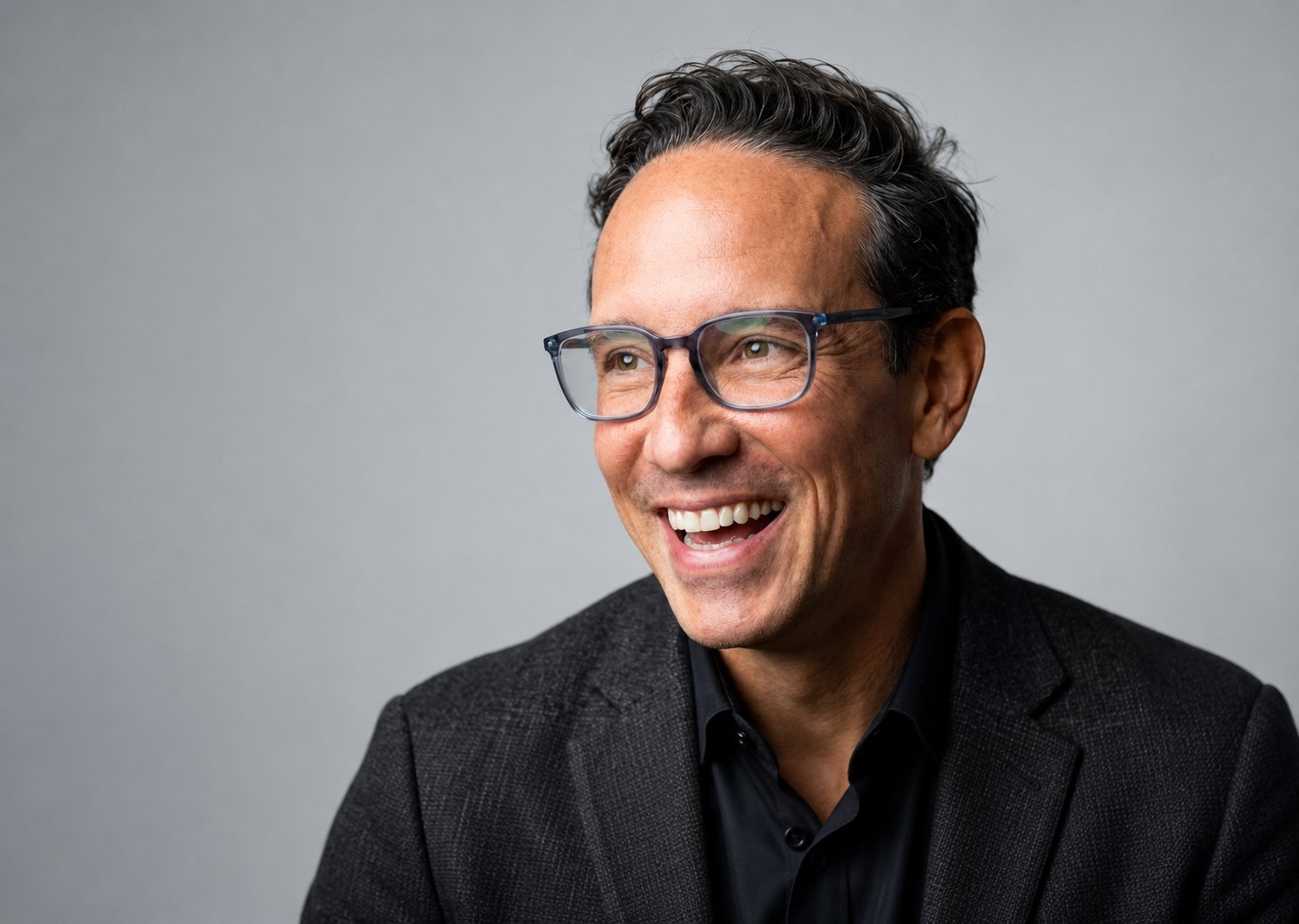
Ben Leventhal has spent a long time around restaurants, but not in the usual founder way. He did not come into the business by opening a dining room or launching a food product. Instead, he built platforms around the restaurant experience itself. First came Eater, which helped shape how people followed restaurant culture online. Then came Resy, which gave diners a smarter way to book tables while giving restaurants better technology and more control. Blackbird Labs feels like the next chapter in that same story.
What makes Blackbird Labs interesting is that it is not trying to be just another restaurant app. It is built around a bigger idea. Restaurants do not just need reservations or transactions. They need stronger direct relationships with the people who love coming back. That is where Ben Leventhal saw an opening. Blackbird Labs was built to help restaurants recognize guests, reward loyalty, simplify payments, and create a more connected dining experience.
That is a big reason Blackbird Labs has started to stand out in restaurant technology. It is not selling loyalty as a generic points program. It is trying to make loyalty feel more like hospitality.
Why Ben Leventhal’s Next Move After Resy Mattered
By the time Blackbird Labs entered the picture, Ben Leventhal was already well known in restaurant and hospitality circles. His name had weight because he had already helped build products that shaped how people discovered restaurants and how they booked them. That matters because Blackbird Labs was not coming from someone casually exploring a new niche. It came from a founder who had already spent years understanding how restaurants operate, how diners behave, and where the old systems still fell short.
Resy changed the reservation side of the business by giving restaurants more flexibility and giving diners a better way to access great tables. But even with that progress, restaurant operators still had a bigger challenge in front of them. Getting a diner in the door is only part of the equation. The harder question is what happens after that first visit. How do you turn a one time guest into a regular? How do you reward loyalty without cheapening the experience? How do you own the guest relationship instead of handing it over to third-party platforms?
That gap is where Blackbird Labs began to make sense.
Ben Leventhal’s Background Before Blackbird Labs
To understand why Blackbird Labs feels so focused, it helps to look at Ben Leventhal’s earlier work. He co-founded Eater, which became one of the most influential media brands in restaurant culture. That gave him a front-row seat to the way diners talk about restaurants, the way reputation spreads, and the way hospitality businesses build relevance.
Then came Resy, which he co-founded in 2014. Resy arrived at a time when restaurant reservation technology felt stale and one-sided. It pushed for a more modern experience and became an important name in the reservation space. That gave Leventhal another angle on the industry. He was no longer just watching restaurants from the outside. He was helping build the infrastructure that sat between restaurants and their guests.
Those two experiences matter because Blackbird Labs draws from both. Eater gave him a deep feel for restaurant culture. Resy gave him a clear understanding of restaurant systems, guest behavior, and hospitality software. Blackbird Labs sits right in the middle of those worlds.
The Problem in Restaurant Loyalty That Blackbird Labs Set Out to Solve
Traditional restaurant loyalty programs have never felt especially exciting. Most of them are transactional, forgettable, or built around simple discounts. Spend a little more, get a little back, repeat. That model may work in some categories, but restaurants are not like ordinary retail businesses. A great restaurant is built on memory, familiarity, service, and emotion. People do not become loyal to restaurants just because they saved a few dollars. They come back because they feel something.
That is the weakness Blackbird Labs tries to address. Instead of treating loyalty as a coupon engine, it treats it as part of the guest relationship. The goal is not just to reward spending. The goal is to help restaurants know who their best guests are, recognize them, and make them want to return.
This is where Ben Leventhal’s thinking stands out. He understands that hospitality works best when it feels personal. Blackbird’s pitch is stronger because it is tied to that idea. Loyalty should not feel like a supermarket card. It should feel like a better way to belong to the places you already love.
How Blackbird Built a Different Kind of Loyalty Platform
Blackbird did not position itself as a one-feature app. From the start, it described itself around loyalty, membership, and payments. That combination is what gave the company a fresher angle in restaurant tech.
At a practical level, that means Blackbird Labs is trying to give restaurants a more connected system. A diner can check in, earn rewards, pay through the platform, and build a history with the restaurant over time. That is very different from the old model where reservations, payments, guest data, and rewards often live in separate tools that barely talk to one another.
By connecting those moments, Blackbird Labs creates a more useful loop. The restaurant can understand guest frequency and behavior more clearly. The guest gets recognized and rewarded in a way that feels more natural. The whole experience becomes smoother, and that makes the platform feel more modern than many older loyalty systems.
That connected approach is one reason Blackbird Labs has earned attention so quickly. It is not trying to bolt a rewards layer onto the side of restaurant operations. It is trying to make loyalty part of the operating system.
Why Payments Became a Bigger Part of the Blackbird Labs Story
One of the most interesting parts of Blackbird’s growth is how the company expanded beyond loyalty. In its earlier phase, Blackbird Labs leaned into loyalty tooling. Later, it added end-to-end payments technology. That was an important step because payments are not just about convenience. They are also about ownership, data, and economics.
When a restaurant can connect payments to loyalty, it gets a clearer picture of the guest journey. It also has a better shot at building direct relationships instead of losing visibility to disconnected platforms. For the guest, that can mean a smoother experience at the table and a more seamless way to earn and use rewards.
For Ben Leventhal, this move made strategic sense. If Blackbird Labs wanted to become more than a niche loyalty product, it needed to become part of the actual transaction flow. Payments gave the platform more depth, more utility, and more relevance inside the restaurant.
That is a big part of why Blackbird Labs feels more ambitious than a standard diner rewards product. It is trying to sit closer to the core of how restaurants operate.
What Makes Blackbird Labs Feel Fresh in the Restaurant World
A lot of restaurant software sounds useful in a sales deck but feels generic in practice. Blackbird Labs has managed to feel different because it is built around the language of hospitality rather than the language of pure software.
Instead of talking only about automation or generic retention, Blackbird Labs leans into ideas like guest recognition, access, perks, and belonging. That is closer to how restaurants actually think. Operators care about repeat guests, yes, but they also care about creating a feeling around the dining experience. Diners want convenience, but they also want to feel known.
That is why Blackbird’s model lands well. It is not just saying that loyalty should drive more visits. It is saying the whole restaurant relationship can be stronger when the guest experience is more connected. In a crowded market, that is a more emotionally intelligent pitch.
It also helps that Blackbird Labs has been willing to build around restaurant culture rather than flatten it. The company’s brand, product language, and rollout strategy all feel designed for people who genuinely care about restaurants, not just for people chasing a generic SaaS opportunity.
How Blackbird Labs Club Expanded the Brand Beyond Basic Rewards
A major moment in Blackbird’s growth came with the launch of Blackbird Labs Club. This expanded the company’s story beyond standard rewards and gave it a stronger membership angle.
That matters because membership can be much more powerful than a basic loyalty scheme. A good membership model gives people more than savings. It gives them access, status, and a reason to keep engaging. In Blackbird’s case, the membership layer helped push the brand closer to the world of hospitality perks and community. Things like guaranteed reservations, event access, priority treatment, and surprise benefits feel much more aligned with the restaurant experience than a simple points chart.
For Ben Leventhal, this was a smart evolution. He understands that many restaurant guests are not just looking for transactions. They want a deeper relationship with the places they love. Blackbird Labs Club gives the platform a way to serve that part of the market.
It also gives Blackbird Labs more brand identity. Instead of being known only as a restaurant tech tool, it starts to look like a dining ecosystem with real consumer pull.
The Growth Signals Behind Ben Leventhal’s Success With Blackbird Labs
Success stories need proof, and Blackbird Labs has started to build a credible one. One of the clearest growth signals came when the company raised a $50 million Series B in 2025. That kind of funding does not happen unless investors see real traction, a strong founder, and a believable market opportunity.
There were other signs, too. By that stage, Blackbird Labs had signed up around 1,000 restaurants and was expanding beyond its earlier footprint. That matters because restaurant technology is not easy to scale. Operators are careful about what they adopt, and they do not make changes lightly. Winning adoption in this space takes trust.
Blackbird’s momentum suggests that Leventhal and his team have been able to communicate a strong enough value proposition to get restaurants on board. The company is not just selling a trend. It is addressing real operator goals like repeat business, better margins, stronger guest relationships, and a more modern payment experience.
That combination gives the company more substance than a flashy startup story. It suggests that Blackbird is building something restaurants can actually use.
Why Ben Leventhal’s Experience Helped Blackbird Labs Stand Out
Founders do not always get to build three meaningful companies around the same industry, but Ben Leventhal has done exactly that. That continuity is one of Blackbird’s biggest advantages.
He understands restaurant culture from the media side because of Eater. He understands restaurant technology and diner behavior from the reservation side because of Resy. Blackbird Labs pulls those insights together into a platform aimed at a deeper problem: how restaurants can build durable guest relationships in a more modern way.
That kind of experience shows up in the product vision. Blackbird Labs does not feel like it was built by outsiders trying to force general fintech ideas onto hospitality. It feels built by people who know restaurants are emotional businesses as much as operational ones.
That difference matters. It helps explain why Blackbird’s message feels more specific, why its positioning feels sharper, and why the company has been able to generate attention in a crowded space.
What Blackbird’s Rise Says About the Future of Restaurant Loyalty
Blackbird’s growth says something important about where restaurant loyalty may be heading. The old model of loyalty was mostly about discounts and repetition. The newer model is about relationships, recognition, and experience.
Restaurants want tools that help them understand and retain their best guests. Diners want rewards that feel relevant, not generic. The most interesting platforms will likely be the ones that connect identity, payments, access, and personalization into a single experience.
That is the lane Blackbird is trying to own. It is betting that restaurant loyalty will become less about coupons and more about connection. It is betting that membership will matter more. It is betting that guests will respond to perks that feel like hospitality instead of promotions. And it is betting that restaurants want more direct control over the guest relationship.
For Ben Leventhal, that makes Blackbird Labs a natural continuation of the work he has already done for years. He has spent much of his career helping restaurants and diners find better ways to connect. Blackbird Labs simply pushes that mission further, turning loyalty into something more useful, more modern, and more aligned with how great restaurants actually work.