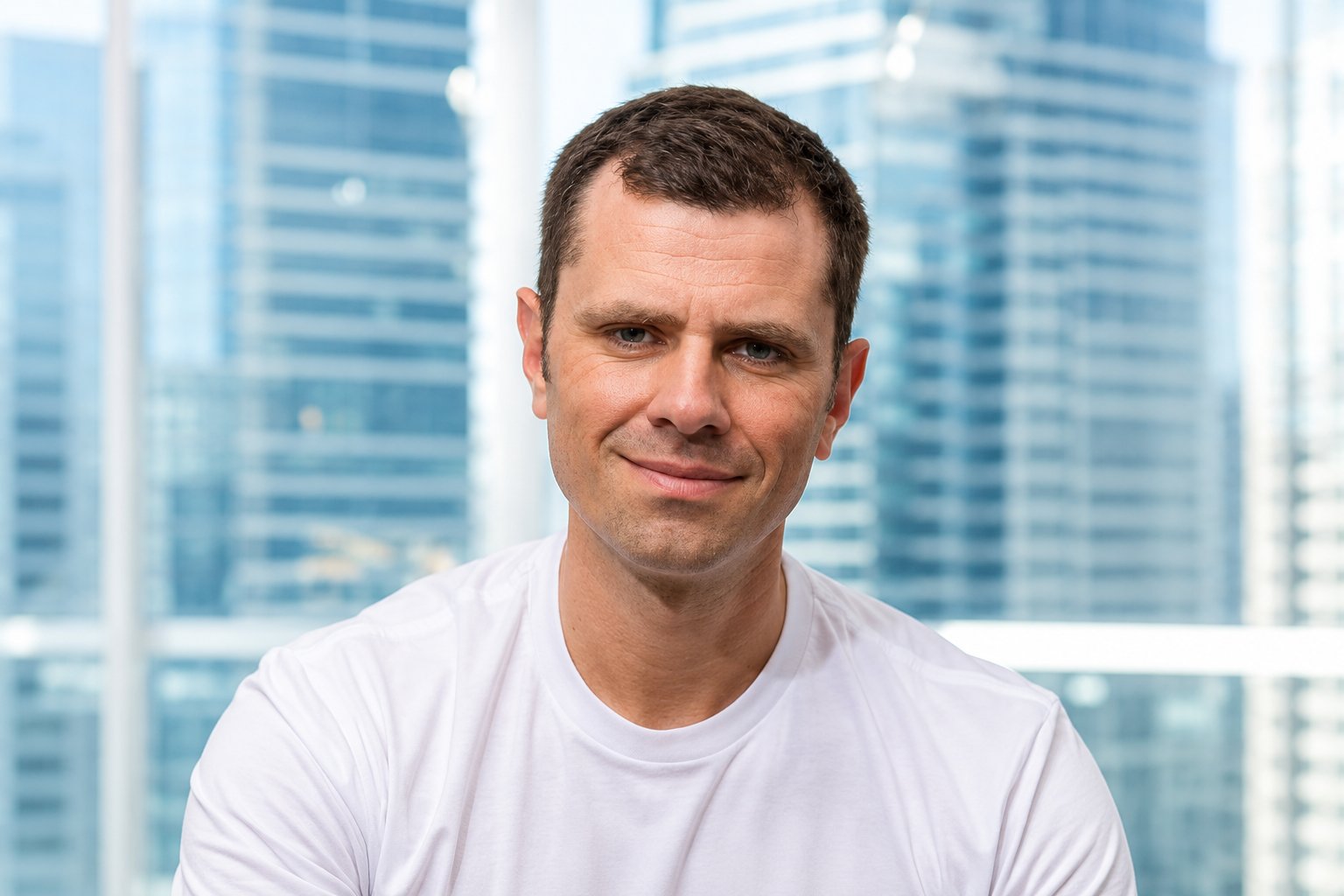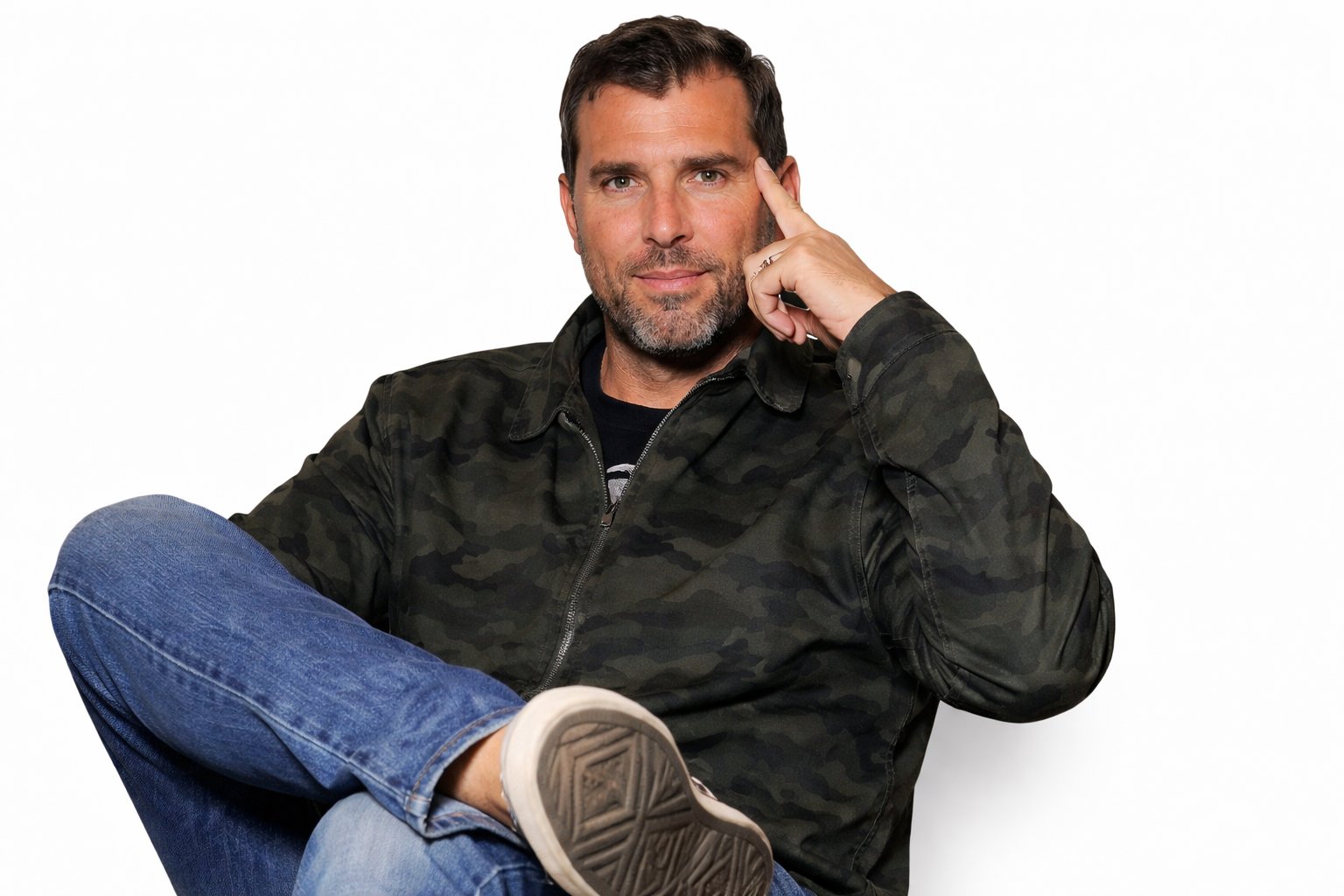
Most beverage success stories start with a product breakthrough, a health trend, or a founder who spent years inside the drinks business. Mike Cessario took a different route. He looked at one of the most ordinary products on the shelf, water, and saw a branding opportunity that almost everyone else missed.
That idea became Liquid Death, a company that turned canned water into a cultural conversation. What could have been dismissed as a joke or a novelty became a serious business with national retail reach, a loyal audience, and a billion-dollar valuation. The more people paid attention, the clearer it became that this was never just about edgy packaging or a shocking name. It was about building a brand that understood how modern consumers think, shop, and share.
The story of Mike Cessario and Liquid Death stands out because it sits at the intersection of creativity and execution. He did not simply make water look different. He built a beverage brand that felt alive in a market where most competitors looked interchangeable.
Who Mike Cessario Was Before Liquid Death
Before Liquid Death became a breakout name in the beverage world, Mike Cessario had already built his thinking around branding, creative work, and consumer attention. He came from an advertising background, and that matters more than it might seem at first.
A lot of founders enter a market by focusing on product features first. Cessario understood that features alone rarely make people care. In crowded categories, people notice what feels distinct, memorable, and emotionally sharp. Water had long been marketed through clean labels, calm visuals, mountain imagery, and wellness language. It was a sea of sameness.
That gave him an opening.
Instead of asking how to make another water brand fit the category, he asked how to break the category on purpose. That mindset became one of the biggest reasons Liquid Death cut through so quickly. He was not trying to win by sounding like every other bottled water company. He was trying to make the brand impossible to ignore.
The Idea Behind Liquid Death Was Simple but Unusual
The genius of Liquid Death was not complexity. It was contrast.
The product itself was straightforward. The presentation was not. With its tallboy can, heavy music-inspired design language, dark humor, and irreverent tone, Liquid Death looked more like something tied to punk culture, live events, or an energy drink shelf than a standard packaged water brand. That instantly changed how people reacted to it.
It made water feel less boring.
That may sound small, but it was a huge business advantage. Most consumers do not spend much time thinking about water brands unless one of them gives them a reason to care. Mike Cessario created that reason through brand identity. He made the product feel like something people wanted to be seen holding.
That helped Liquid Death land in a powerful middle ground. It could work for someone who wanted water at a concert, at a party, in the gym, in the office, or in a social setting where a plastic bottle felt forgettable. It also connected with people who liked bold branding and brands that did not talk down to them.
Why Mike Cessario’s Branding Strategy Worked
A lot of people look at Liquid Death and reduce the story to one word: marketing. But that misses what really happened. This was not marketing for the sake of attention. It was branding that supported a broader business strategy.
Mike Cessario understood that attention is one of the hardest things to earn in consumer packaged goods. You are competing against legacy players, crowded shelves, and short consumer attention spans. If your product blends in, you are already losing.
So Liquid Death did the opposite.
The company used humor, shock value, irony, and entertainment-first campaigns to turn a routine purchase into something people talked about. The name alone sparked curiosity. The visuals made the brand instantly recognizable. The language made it feel more like a cultural brand than a traditional beverage company.
That identity helped the company earn organic conversation in a way most packaged water brands never could. People shared the ads, discussed the product, reacted to the brand voice, and remembered the can. That kind of recall matters because people buy what they recognize.
What made the strategy work even better was that it did not rely on one viral moment. Liquid Death kept reinforcing the same core personality. The brand felt consistent. It knew what it was, and more importantly, it knew what it was not.
That clarity is often what separates a fun startup from a lasting company.
Liquid Death Was More Than a Viral Brand
One of the easiest mistakes people make with Liquid Death is assuming it only succeeded because it was weird, funny, or highly shareable. That may have helped it break through early, but buzz alone does not create a billion-dollar business.
The real test is what happens after the attention arrives.
That is where Mike Cessario and the team around him made the story more impressive. They translated awareness into actual retail momentum. The company expanded into major stores, grew its presence across the United States and the United Kingdom, and moved from curiosity purchase territory into repeat-buy territory.
That shift matters. A lot of brands can create interest once. Far fewer can hold shelf space, move product, and keep growing in a competitive market.
Liquid Death did that by giving retailers something rare. It was not just a functional beverage. It was a product with shelf presence. It stood out instantly, and that made it valuable in physical retail. A brand that can grab attention in seconds has a real advantage when it sits next to dozens of similar-looking products.
Over time, the company’s retail growth made it clear that this was not just internet hype. It had become a real player in the beverage industry.
The Growth Milestones That Changed the Conversation
The turning point in public perception came when the numbers started catching up with the brand story.
For a while, many people saw Liquid Death as a clever idea with strong creative. Then the company’s sales growth and valuation began forcing people to take it seriously as a business. Once that happened, the conversation changed.
The company passed $263 million in retail scanned sales in 2023, expanded to 113,000 retail doors across the US and UK, and continued building out its distribution footprint. That is the kind of scale that moves a brand out of startup novelty territory and into serious consumer brand territory.
Then came the billion-dollar milestone. In 2024, Liquid Death closed a funding round that valued the company at $1.4 billion. That number did more than create headlines. It signaled that investors saw long-term potential in the brand, not just short-term buzz.
By that point, Mike Cessario was no longer simply the founder behind a clever canned water idea. He had become one of the most interesting brand builders in modern consumer business.
Recognition followed. His name drew broader attention beyond beverage circles, and the company’s rise became a case study in what can happen when branding, positioning, and retail execution all work together.
Product Expansion Helped Liquid Death Grow Up
A smart brand cannot stay dependent on one narrow product forever. One reason Liquid Death kept gaining momentum was that it expanded beyond its original identity without losing the tone that made it distinctive.
What started with canned water grew into a broader beverage platform. The company moved into sparkling water, flavored sparkling water, iced tea, and other adjacent product areas. That mattered because it showed the business was not boxed into a single novelty concept.
This is where Mike Cessario made a strong founder-level decision. He treated Liquid Death like a brand platform, not just a single-item success. Once consumers trusted the brand voice and recognized the packaging, the company had room to stretch into nearby categories.
That is one of the clearest signs of durable brand equity. People are not only buying the original product. They are buying into the world the brand has built.
Product expansion also gave retailers more reasons to support the company. A broader lineup means more shelf opportunities, more consumer touchpoints, and more room for growth across different occasions. Someone who may not buy still water might buy iced tea. Someone curious about flavored sparkling water might enter the brand through that lane instead.
The result is a stronger business with more ways to win.
What Mike Cessario Understood Better Than Most Founders
The biggest lesson in the Mike Cessario story is not just that branding matters. Most people already say that. The real lesson is that branding only becomes powerful when it is tied to positioning, timing, and execution.
He understood that consumers do not just buy products. They buy signals. They buy emotion. They buy familiarity. They buy the version of themselves a brand reflects back to them.
Liquid Death gave people a water brand that did not feel preachy, dull, or interchangeable. It made the category feel entertaining. It made hydration feel culturally relevant in spaces where water usually disappears into the background.
At the same time, the company did not stop at cultural relevance. It built distribution. It scaled retail. It expanded products. It kept the brand clear while growing the business underneath it.
That balance is where many fast-rising brands fail. Some get the product right but stay forgettable. Others get attention but cannot convert it into long-term growth. Liquid Death managed to do both, and that is why the company’s success feels bigger than a one-off startup story.
Why Liquid Death Became a Modern Brand-Building Case Study
There are plenty of successful beverage companies, but Liquid Death has become especially interesting because it challenged old assumptions about how products in basic categories need to be marketed.
It proved that even something as simple as water can become culturally charged when the brand story is strong enough. It showed that consumer packaged goods do not have to sound safe or look polished in the conventional sense to scale. It also showed that a founder with strong creative instincts can compete against larger, more established players by owning a distinct point of view.
That is a big part of why Mike Cessario stands out. He did not try to win by being slightly better than everyone else at the same game. He changed the game consumers thought they were looking at.
And once the market realized Liquid Death was not fading away, the company gained even more credibility. Consumers saw it everywhere. Retailers kept making room for it. The business kept expanding. The valuation made headlines. The founder gained wider recognition.
At that point, the brand had crossed an important line. It was no longer just a disruptive concept. It was a meaningful beverage business with staying power.