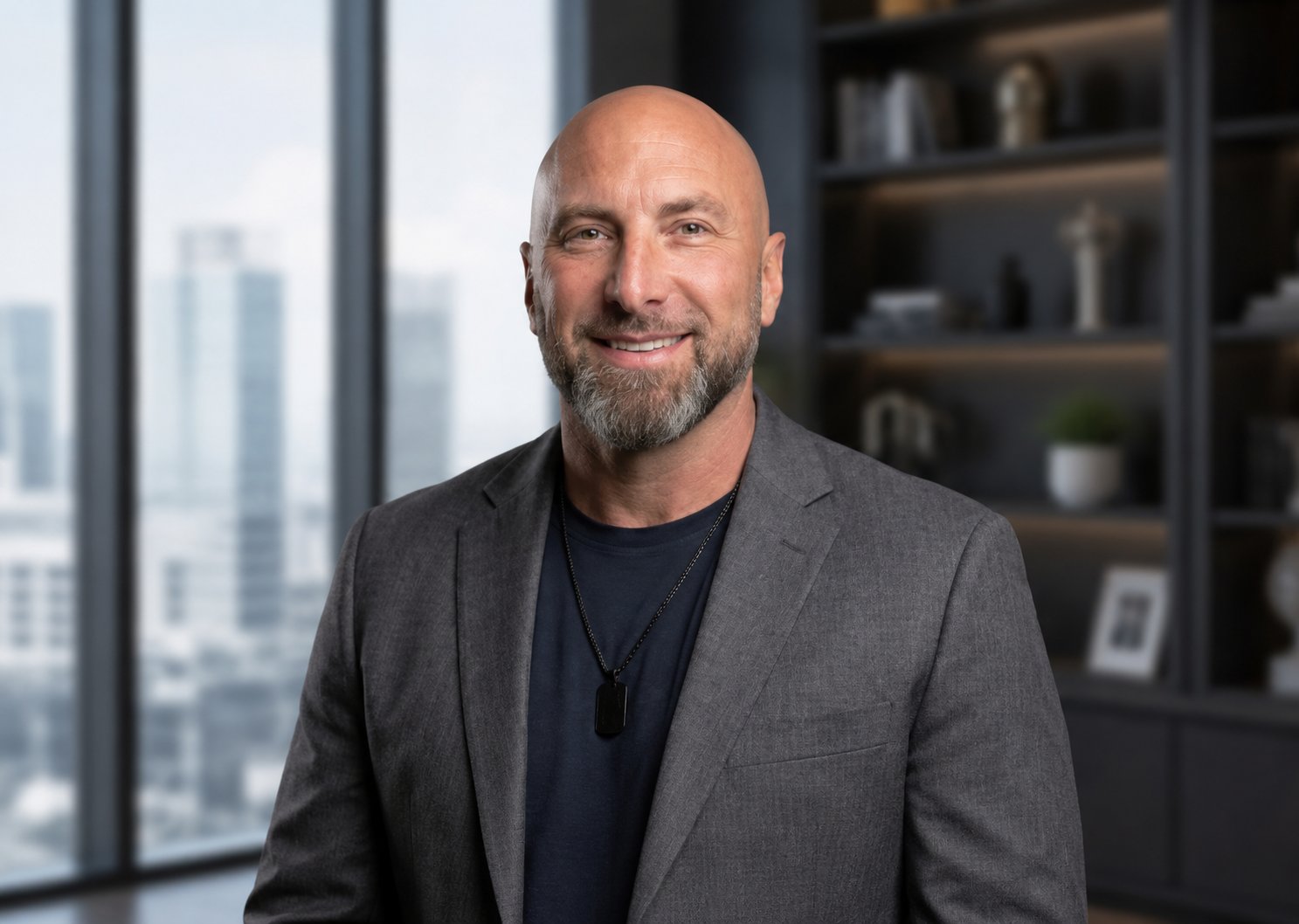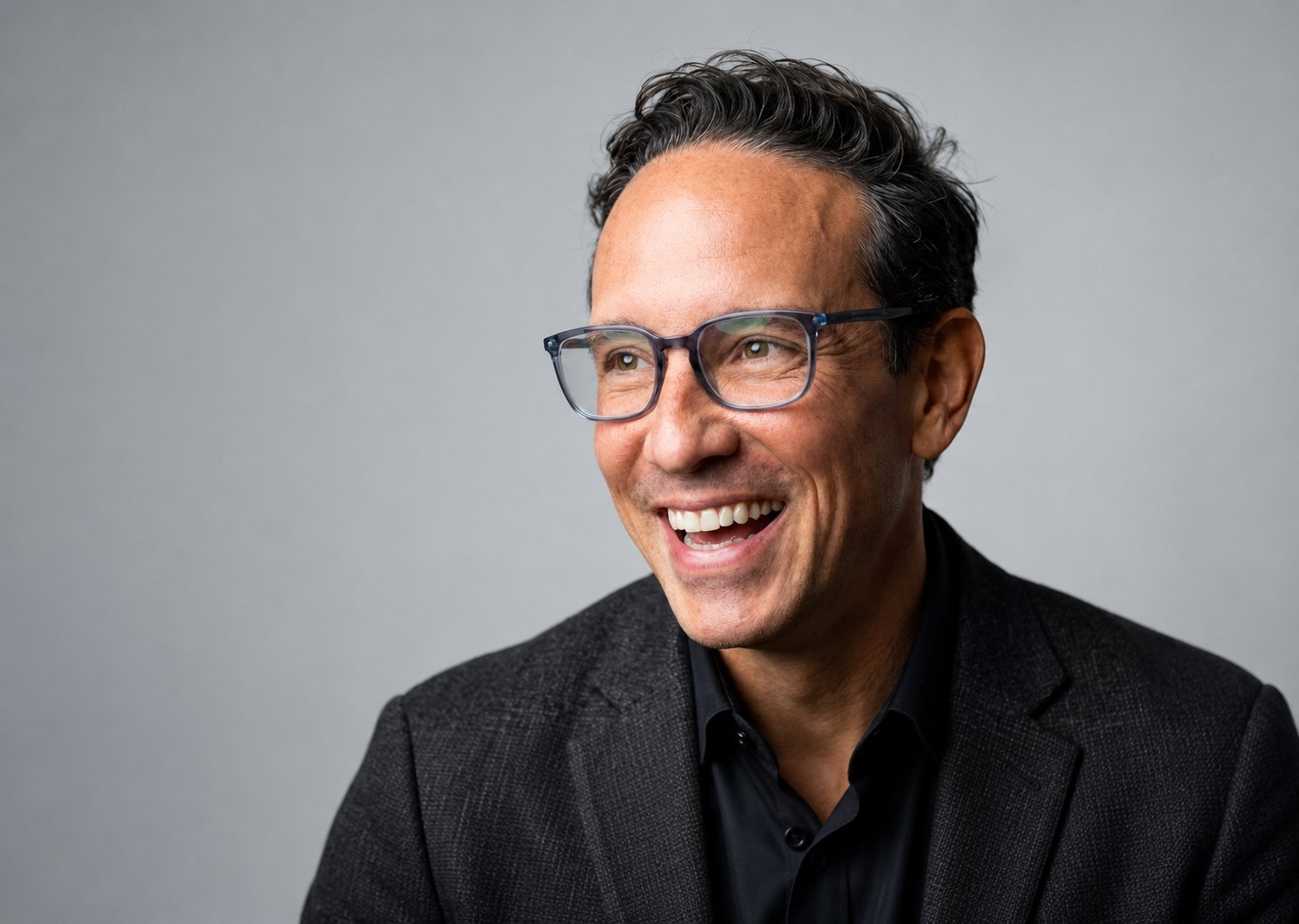
Most big business stories sound polished in hindsight. This one did not start that way.
Hamdi Ulukaya did not walk into a booming industry with a trendy product and a pile of investor money behind him. He bought a shuttered factory in upstate New York that many people would have passed over without a second thought. It was quiet, worn down, and full of uncertainty. On paper, it looked like a bad bet. In reality, it became the starting point for one of the most memorable food business success stories in modern America.
What makes the rise of Chobani so interesting is that it was never only about yogurt. Yes, the company helped push Greek yogurt into the mainstream and changed what millions of Americans expected from the dairy aisle. But the bigger story is about seeing opportunity where others saw decline, trusting product quality over hype, and building a company culture that felt different from the standard corporate playbook.
From an abandoned plant to a dominant food brand, Hamdi Ulukaya’s journey stands out because it combines sharp business instincts with a very human way of leading. That is a big reason the Chobani story still gets attention years after the brand first took off.
Who Is Hamdi Ulukaya
Hamdi Ulukaya was raised in a dairy-farming family in a small village in eastern Turkey, so food production was not some distant business concept to him. It was part of everyday life. He grew up around milk, animals, and the kind of traditional food culture that teaches you early that quality matters.
When he moved to the United States, he was not arriving as a polished consumer brand founder with a perfect growth plan already mapped out. Like many immigrant entrepreneurs, he was trying to find his place, adapt to a different market, and figure out where his experience and instincts could create something meaningful.
Before Chobani became a household name, Ulukaya had already been involved in the food space through a cheese business. That experience mattered. It gave him a closer view of how American consumers bought food and what the market looked like at the shelf level. More importantly, it helped him see a gap. He believed there was room for yogurt that felt thicker, richer, and more satisfying than what a lot of shoppers were used to.
That belief would eventually shape everything that came next.
The Opportunity Hidden in a Shuttered Factory
In 2005, Ulukaya came across the chance to buy a closed yogurt plant in South Edmeston, New York. It had been shut down by Kraft, and it was exactly the kind of asset that can scare most buyers away. The factory had history, but it also had baggage. Restarting operations would take money, effort, patience, and confidence. There were easier paths he could have taken.
He took the harder one.
That decision is one of the defining moments in the Chobani story. The plant itself represented more than a building. It represented the possibility of rebuilding something that had already been left behind. In business, those moments are easy to romanticize later, but at the time they are usually uncomfortable. A closed factory does not come with certainty. It comes with risk.
Ulukaya saw something different in that risk. He saw infrastructure. He saw a production base. He saw a chance to build a food company from the ground up instead of trying to squeeze into a crowded market with nothing distinctive behind it.
That move also gave Chobani a strong identity from the start. This was not a brand invented in a boardroom first and then outsourced into existence. It was a company built inside a real manufacturing space, with real workers, in a real community that needed economic energy.
Why Hamdi Ulukaya Bet on Greek Yogurt
At the time, the American yogurt market looked very different from what it would become later. Many mainstream yogurt products were lighter, sweeter, and less focused on the thick texture that defines traditional strained yogurt. Ulukaya believed there was room for something better.
That was the opening.
His bet on Greek yogurt was not only about bringing another product to store shelves. It was about offering a noticeably better eating experience. Thicker texture, stronger taste, more substance, and a more premium feel all helped Chobani stand out in a market where many choices felt familiar and safe.
This part of the story matters because a lot of businesses fail when they try to manufacture excitement around a product that does not actually feel different. Chobani had the opposite advantage. Once people tried it, they could understand why it deserved space in the market.
Ulukaya was not trying to win with noise. He was trying to win with quality. That difference helped Chobani build trust early.
Building Chobani in the Early Days
The early period was not about glossy branding campaigns or founder mythology. It was about getting the basics right.
Production had to work. The product had to be good enough to earn repeat purchases. Distribution had to improve. Retailers had to take the brand seriously. Each of those steps sounds simple when written in one line, but together they form the hard part of building a food company.
Food is unforgiving. If the quality slips, customers notice. If the supply chain breaks, shelves empty out. If the taste does not justify the price, people move on quickly.
That is why the early Chobani years matter so much. Ulukaya had to focus on execution more than image. He had to build a business that could function at the factory level, the retail level, and the customer level all at once. The company’s rise was not built on storytelling alone. It was built on operational discipline.
That combination of product conviction and practical execution is a big part of what gave Chobani its edge.
How Chobani Became a Breakout Food Brand
Once Chobani started connecting with consumers, the momentum became hard to ignore. The brand moved from being an interesting newcomer to becoming a serious player in the dairy aisle. Then it became much more than that.
A few things helped this happen.
First, the product itself felt distinct. Consumers could tell the difference.
Second, the timing was strong. Shoppers were becoming more open to food choices that felt fresher, higher quality, and less generic than older packaged staples.
Third, Chobani presented itself in a way that felt modern without losing its substance. The packaging was clean. The positioning was accessible. The brand did not feel elite, but it did feel better.
This is where Ulukaya’s instincts really showed. He understood that success in food is not only about manufacturing a good product. It is also about making that product easy to trust. Brand growth, consumer demand, and shelf presence all started working together.
Before long, Chobani was no longer just riding a trend. It was helping define the category.
The Leadership Style That Set Hamdi Ulukaya Apart
Plenty of founders build successful companies. Fewer build companies that feel shaped by a clear personal philosophy.
Hamdi Ulukaya has long stood out because he talks about business in a way that goes beyond margin, valuation, and scale. Those things matter, of course. But he has consistently framed the purpose of a company in broader human terms.
That leadership style became part of Chobani’s identity. It influenced how the company talked about food, how it treated employees, and how people viewed the brand from the outside.
There is a reason the Chobani story often gets described as more than a business case study. Ulukaya did not position success as something that should benefit only the people at the top. He built around the idea that a company should create value for workers, communities, and the people it serves.
In a crowded consumer market, that kind of founder-led clarity can matter more than many people realize.
Employee Ownership and a Different Way to Build Loyalty
One of the most talked-about moments in Ulukaya’s leadership story came when he gave employees a stake in the company.
That decision got attention because it felt unusual, especially at that scale. It also felt real. Employee ownership was not presented as a trendy talking point. It reinforced the message that the people helping build Chobani should share in its success.
Moves like that do more than generate headlines. They shape culture. They affect loyalty, morale, and the way employees think about the company’s future. When workers feel that they are part of the value being created, the relationship becomes deeper than a standard paycheck arrangement.
This is one reason Chobani’s culture has remained such an important part of its public image. Ulukaya’s approach suggested that a fast-growing business did not have to leave its people behind on the way up.
How Purpose Became Part of the Chobani Brand
Purpose is one of the most overused words in modern business, but in Chobani’s case it became part of the company’s identity in a way that felt more grounded than performative.
Ulukaya has been closely associated with support for refugees, and that work helped shape how people understood both him and the company. His broader public mission showed that business success and social responsibility did not need to sit in separate boxes.
That mattered because Chobani was growing at a time when consumers were starting to care more about how companies behave, not just what they sell. A strong product could get attention, but a brand with values could build longer-term trust.
This did not replace the need for quality or performance. It worked alongside them. Chobani still had to compete on taste, distribution, pricing, and innovation. But the company’s public identity felt bigger than a product label, and that gave the brand added depth.
Growing Beyond Yogurt
A lot of companies have one breakout product and then struggle to become anything more. Chobani managed to keep evolving.
Over time, the company expanded beyond yogurt into categories like creamers and oat milk, showing that it wanted to become a broader food and beverage company, not just a single-category success story. That shift matters because it shows strategic maturity. Ulukaya was not simply protecting what had already worked. He was building for what could come next.
The company’s move into a bigger portfolio helped strengthen the idea that Chobani was a modern food brand with room to grow across changing consumer preferences. The addition of plant-based products also showed that the business was paying attention to where the market was heading.
Then came a major step that made the expansion story even clearer. Chobani acquired La Colombe, pushing further into ready-to-drink coffee and widening its position in the beverage space. That kind of move signaled ambition. It showed that Chobani was thinking in terms of category expansion, not just brand protection.
What Hamdi Ulukaya’s Success Story Says About Modern Entrepreneurship
There are plenty of startup stories built around speed, funding rounds, and founder hype. The Hamdi Ulukaya story feels different.
It is grounded in product quality, operational grit, and the ability to recognize overlooked opportunity. He did not begin with the flashiest asset in the market. He began with a closed plant and a conviction that he could build something better inside it.
That is one of the clearest lessons in this story. Not every major success starts with a perfect setup. Sometimes it starts with a neglected asset, a strong point of view, and the patience to keep building when the outcome is still uncertain.
His journey also highlights another truth about modern entrepreneurship. Growth is stronger when it is supported by trust. Chobani earned trust through product differentiation, consistent quality, and a brand voice that felt more human than many large food companies.
For founders, that is a useful reminder. Business success is not only about getting attention. It is about building something that people believe in, buy again, and want to see expand.
The Lasting Impact of Hamdi Ulukaya and Chobani
The long-term impact of Chobani can be seen in more than sales or shelf space. The company changed the conversation around yogurt in the United States and helped reshape expectations in the dairy category. It showed that consumers would respond to a product that felt both better and more authentic.
Hamdi Ulukaya’s impact goes beyond that product story. He became known as a founder who connected business growth with employee ownership, community investment, and a more human view of leadership. That combination made him stand out in the food industry.
The Chobani story also continues to move forward. It is still being written through expansion, innovation, and long-term manufacturing investment. That matters because it shows this was not a brief market moment. It became a durable company with a bigger footprint and a broader identity.
From a shuttered factory to a major force in modern food, the journey of Hamdi Ulukaya and Chobani remains one of the clearest examples of how vision, discipline, and values can work together in business.
How Fawn Weaver Built Uncle Nearest Into a Remarkable Whiskey Success Story
When people talk about standout founders, Fawn Weaver deserves a place in that conversation. She did not just launch another premium bottle into a crowded spirits market. She built Uncle Nearest into a brand with emotional weight, cultural importance, and real business momentum.
What makes her story especially compelling is that the rise of Uncle Nearest was never built on packaging alone or clever marketing tricks. At the center of the brand was a deeper mission, to restore the legacy of Nathan “Nearest” Green, the first known African American master distiller and the man credited with teaching Jack Daniel how to distill whiskey. That mission gave the company something many fast-growing brands never truly find, a reason to matter.
The result was a whiskey brand that quickly stood out for more than its product. Under Weaver’s leadership, Uncle Nearest became known for premium quality, powerful storytelling, historical recognition, and purpose-driven growth. Her journey with the company is a strong example of how a founder can turn overlooked history into a respected modern business.
Who Is Fawn Weaver
Fawn Weaver is an entrepreneur, investor, author, and business builder with a reputation for seeing value where others fail to look closely enough. Long before Uncle Nearest became one of the most talked-about names in American whiskey, Weaver had already built a career around business, branding, and strategic growth.
What separates her from many founders is the way she thinks beyond the obvious. She is not drawn only to what looks profitable on the surface. She pays attention to what feels missing, what deserves more attention, and what story has been ignored for too long. That instinct became the foundation for Uncle Nearest.
In a category as tradition-heavy as the spirits industry, that mindset mattered. Whiskey has always leaned on heritage, but Weaver understood something important. Heritage means a lot more when the story being told is both true and overdue.
The Discovery That Changed Everything for Uncle Nearest
The turning point came when Weaver began researching the history of Nearest Green. The deeper she went, the clearer it became that this was not a side note in American whiskey history. It was a major missing chapter.
For years, the story of Jack Daniel had been widely celebrated, but the role of Nearest Green had not received the same level of attention. Weaver saw that gap and understood the significance immediately. This was not just about correcting the record. It was about honoring a craftsman whose contribution helped shape one of the most recognizable categories in American spirits.
That discovery gave Uncle Nearest something unusually strong from the beginning. The brand was built around a real person, a real legacy, and a real historical contribution. Instead of inventing a backstory, Weaver brought one into the light.
That decision changed everything. It gave the company substance. It gave customers a reason to care. And it gave the brand a level of authenticity that cannot be manufactured.
Why Fawn Weaver Chose to Build Uncle Nearest Around Legacy
A lot of founders start with a product idea and then try to attach meaning later. Weaver moved in the opposite direction. She started with meaning and made sure the product could carry that weight.
That is a big reason Uncle Nearest connected with people so quickly. It was not just another Tennessee whiskey trying to sound premium. It was a brand rooted in legacy, recognition, and respect. The history behind it was not decorative. It was central.
By building the company around Nearest Green’s name and story, Weaver created a brand identity that stood apart in a crowded market. Consumers were not simply being asked to try a bottle. They were being invited into a larger story about craftsmanship, American history, and long-overdue acknowledgment.
That approach also gave the brand emotional depth. In modern business, people respond to brands that feel real. They remember companies that stand for something. Weaver understood that from the start, and she built Uncle Nearest with that kind of staying power in mind.
How Uncle Nearest Entered the Whiskey Industry With a Clear Point of Difference
The whiskey world is highly competitive. New brands appear all the time, and most struggle to stand out. A strong bottle design or a polished website can create interest, but neither is enough to build lasting loyalty.
Uncle Nearest entered the market with a much clearer point of difference. The brand had a distinct identity, a premium feel, and a story that immediately sparked attention. More importantly, it had to deliver on quality. The story may have opened the door, but the whiskey had to keep people coming back.
That is where Weaver’s brand vision became especially important. She understood that meaningful storytelling only works when it is backed by product excellence. Under her leadership, Uncle Nearest positioned itself as a serious player in American whiskey, not simply a historical tribute.
From the bottle presentation to the language around the brand, everything signaled care, intention, and premium positioning. This helped the company earn curiosity early on, but it also helped convert that curiosity into respect.
Fawn Weaver’s Leadership Style and Brand Vision
One of the most interesting parts of this story is the way Weaver led the company. She did not build Uncle Nearest by chasing empty hype. She focused on clarity, consistency, and long-term trust.
Her leadership style feels deliberate. She understood that the brand had to protect both the story and the standard. If the company leaned too hard on history and ignored quality, it would lose credibility. If it focused only on product and ignored legacy, it would lose what made it special.
Weaver balanced both.
That balance is often what separates a strong founder from a forgettable one. She built a brand identity that could live in multiple lanes at once. Uncle Nearest could appeal to whiskey enthusiasts, to readers interested in entrepreneurship, to people who care about Black history, and to consumers drawn to mission-led businesses.
Her vision was not narrow. It was layered, which made the brand stronger.
The Role of Storytelling in Uncle Nearest’s Success
Storytelling gets talked about constantly in business, but most brands use it in a shallow way. They add a polished founder note, a few emotional phrases, and call it strategy. Weaver approached storytelling differently.
For Uncle Nearest, story was not an accessory. It was the core of the business.
The story gave the brand shape, voice, and direction. It helped turn Nearest Green from a name many people had never heard into a figure that people wanted to learn about. It also gave the company a natural way to connect product, heritage, and mission without sounding forced.
That is a big part of why the brand resonated so deeply. The story felt human. It gave people something to remember beyond tasting notes and bottle specs. It made the brand feel bigger than a transaction.
In a market full of marketing noise, that kind of brand storytelling is powerful. It creates emotional connection, and emotional connection often drives loyalty.
Major Achievements That Put Uncle Nearest on the Map
The rise of Uncle Nearest was not just built on a compelling mission. The company also earned serious recognition for the quality of its whiskey and the strength of its brand.
Over time, the company built a reputation as an award-winning name in premium spirits. Those honors mattered because they showed that the brand was not relying on goodwill or cultural relevance alone. It was being recognized on the merits of the liquid itself.
That point is important. When a founder builds a brand with a powerful purpose, critics sometimes assume the story is doing all the work. In the case of Uncle Nearest, the opposite became true. The story attracted attention, but quality sustained the momentum.
Weaver herself also gained wider recognition as a business and marketing leader. Her influence extended beyond whiskey, because what she built became a case study in market positioning, authenticity, and founder-led storytelling. Her induction into the Marketing Hall of Fame added another layer to that achievement and reflected how far her impact had reached.
How Fawn Weaver Built More Than a Product
One of the strongest things about Weaver’s work is that she did not stop at building a commercial brand. She built an ecosystem around the legacy of Nearest Green.
Through the Nearest Green Foundation, the mission moved beyond the bottle. The work tied the brand to education, family legacy, and opportunity. That made the company feel more substantial and more sincere.
This matters because customers can usually tell when a company uses purpose as decoration. With Uncle Nearest, the broader mission felt integrated into the business from the start. It was not there to make the brand look thoughtful. It was there because the brand itself grew from that purpose.
That choice helped deepen trust. It also gave the company a different kind of relevance. Uncle Nearest was not simply selling premium whiskey. It was helping preserve and elevate a legacy that had been underrecognized for generations.
The Importance of Representation in the Uncle Nearest Story
The success of Uncle Nearest also matters for a broader reason. It changed who gets centered in conversations about whiskey, leadership, and American business history.
For a long time, the public image of the whiskey world was narrow. Weaver challenged that, not by making symbolic statements, but by building a successful company around a story that had always deserved more recognition.
That made the brand culturally significant in a way many businesses never become. It brought Black entrepreneurship, historical acknowledgment, and premium craftsmanship into the same conversation.
It also expanded representation in the category. Victoria Eady Butler, a fifth-generation descendant of Nearest Green, became a major part of the company’s success as master blender. That gave the brand an even deeper connection to the legacy it was honoring, while reinforcing its commitment to excellence.
What Other Entrepreneurs Can Learn From Fawn Weaver and Uncle Nearest
There are several lessons founders can take from Weaver’s journey.
The first is that a strong business does not have to separate mission from performance. Weaver built a brand with meaning, but she never treated meaning as a substitute for execution. The company still had to compete on product quality, trust, and consistency.
The second is that real differentiation matters. Uncle Nearest did not try to sound like every other premium whiskey brand. It leaned into what made it distinct. In crowded markets, that kind of clarity can be more valuable than a large ad budget.
The third is that storytelling works best when it grows out of truth. Consumers are increasingly good at spotting performance marketing disguised as purpose. Weaver’s advantage was that the brand narrative did not need to be invented. It needed to be honored and communicated well.
The fourth is that long-term brands are built with patience. Weaver did not create Uncle Nearest as a short-term trend play. She built it with the kind of leadership vision that supports lasting relevance.
How Uncle Nearest Became a Brand People Remember
In the end, Uncle Nearest became memorable because it brought several rare things together at once. It had historical depth, product credibility, premium positioning, and a founder who knew how to build with intention.
Fawn Weaver did not simply create a successful whiskey brand. She built a company that felt meaningful to people for different reasons. Some were drawn in by the whiskey itself. Others connected with the history. Others admired the entrepreneurship behind it. The strongest brands often work that way. They meet people at more than one level.
That is why the story of Fawn Weaver and Uncle Nearest stands out. It is a story about restoring legacy, building trust, and turning overlooked history into modern business success. And in a world full of brands fighting for attention, that kind of foundation is hard to ignore.