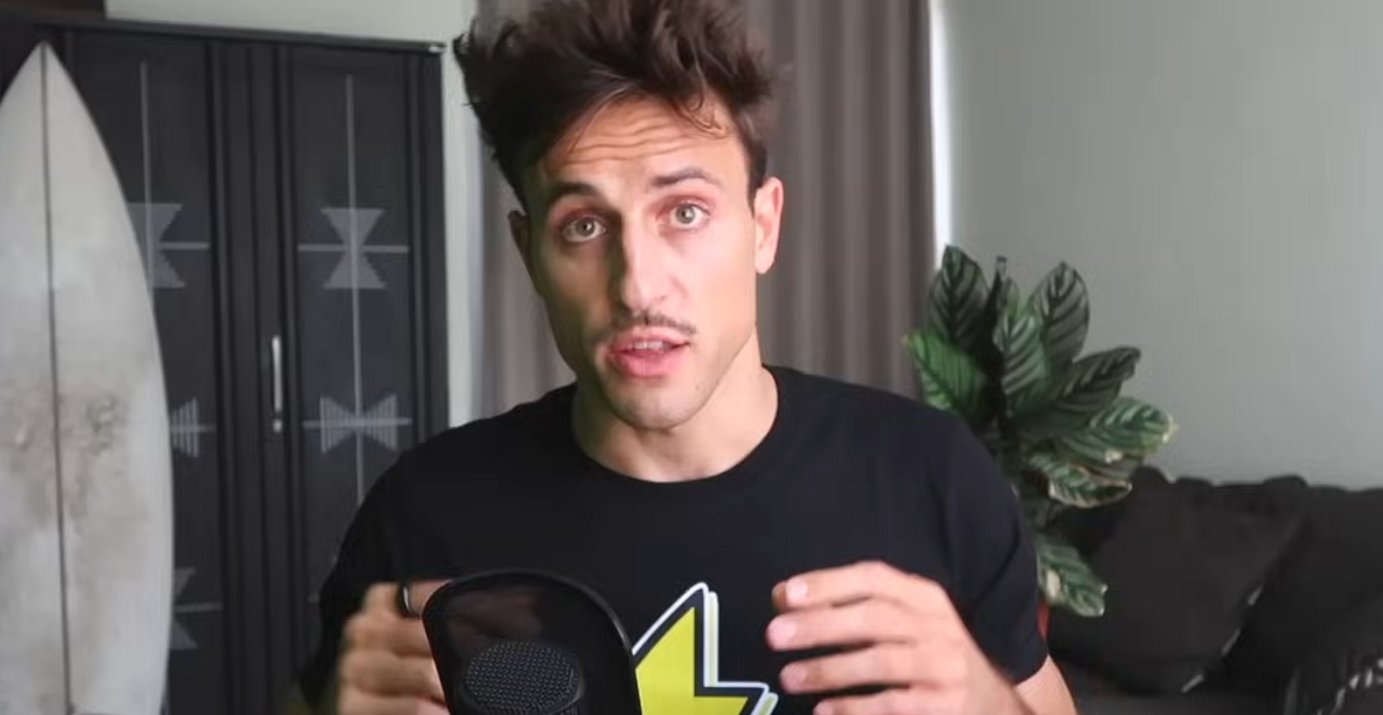
Marc Lou stands out because he did not follow the usual startup script. He did not spend years trying to raise money, build a large team, and polish one product in private before showing it to the world. Instead, he became known for something much simpler and much harder to fake: he kept shipping.
That is what makes his story so relevant in the indie hacker space. His growth was not built around a single lucky launch or one viral moment that faded away. It came from building multiple products, learning from each release, improving his positioning, and turning speed into a business advantage. Over time, that approach helped him build a product portfolio that feels less like a collection of random side projects and more like a focused ecosystem.
For founders, solopreneurs, and makers who want to understand how modern internet businesses are actually being built, Marc Lou offers a useful example. His success is not only about coding fast. It is about knowing how to combine product building, distribution, audience trust, and monetization into a repeatable system.
Who Marc Lou Is and Why He Stands Out in the Indie Hacker Space
Marc Lou is widely recognized as a solo founder who builds products for other founders, developers, and internet entrepreneurs. That matters because it explains why his work connects so well with the indie hacker community. He is not trying to serve everyone. He is building for people who want to launch faster, validate ideas sooner, and turn digital products into real revenue.
What makes him different is that his public reputation is tied to visible execution. A lot of startup founders talk about ideas, productivity, and growth. Marc Lou built a brand around actually putting products into the market. That builder-first identity gave him credibility in a space where people respect proof more than theory.
His name is often linked with products such as ShipFast, CodeFast, DataFast, TrustMRR, IndiePage, and other internet-first tools. Together, they show a clear pattern. He is not chasing random trends. He keeps returning to the same core audience and the same core promise: help people move faster, launch smarter, and build profitable startups with less friction.
What the Indie Hacker Mindset Really Means in Marc Lou’s Case
The phrase indie hacker gets used a lot, but in Marc Lou’s case it means something very specific. It is not just about being a solo founder. It is about building with ownership, speed, and direct monetization in mind.
Instead of treating startup building like a long, slow process that begins with endless planning, this mindset treats launching as part of learning. You build something useful, put it in front of real people, collect feedback, improve it, and then either grow it or move on to the next idea with better instincts.
That sounds simple, but most founders struggle with it. Many get stuck in overthinking, feature creep, or the pressure to look polished before they are actually useful. Marc Lou’s approach pushes in the opposite direction. Build the minimum version that solves a problem, launch it, and let the market tell you what deserves more time.
That mindset also changes the financial side of the equation. Indie hackers usually care about profitability much earlier than traditional startups do. They are not building for a pitch deck first. They are building for customers. In Marc Lou’s case, that revenue-first approach helped turn product building into a real business model rather than an endless collection of experiments.
How Marc Lou Moved From Single Product Thinking to Portfolio Thinking
One of the most interesting parts of Marc Lou’s story is that he did not stop after one successful product. That is where many founders slow down. They build one thing that works, then spend all their energy protecting it. Marc Lou took a different route and treated momentum as something to extend.
That shift from single product thinking to portfolio thinking is a big part of why his business model feels stronger than the average side-project story. A portfolio mindset changes how a founder sees growth. Instead of asking one product to carry the full weight of the business forever, each new product becomes another asset, another revenue stream, another trust signal, and another entry point for customers.
This does not mean building random tools just to stay busy. The smarter part of his strategy is that the products still make sense together. They serve similar users, live in the same startup ecosystem, and reinforce the same founder brand. That creates compounding value.
A person who discovers one Marc Lou product can easily discover the next. Someone who buys a startup boilerplate may later want analytics. Someone learning how to code may become interested in launching a startup. Someone curious about startup revenue transparency may end up discovering the rest of the portfolio. That kind of cross-pollination is what separates a loose set of products from a connected business system.
The Products That Helped Shape His Portfolio
ShipFast and the speed advantage
ShipFast is one of the clearest examples of Marc Lou’s core philosophy. The product is built around a simple but powerful promise: help founders ship startups faster. That message fits perfectly with the indie hacker mindset because speed is one of the few real advantages solo builders can create for themselves.
ShipFast is not only a product. It is also a piece of positioning. It tells the market exactly what Marc Lou believes in. Founders do not need more delay. They need less friction between idea and launch. By building something around that pain point, he turned a widely shared frustration into a strong commercial offer.
CodeFast and teaching the same mindset
CodeFast expands the same overall philosophy in a slightly different direction. Instead of only helping founders ship products, it speaks to people who want to learn to build in the first place. That matters because education products can strengthen a founder’s ecosystem in ways pure software sometimes cannot.
When someone learns from you, they are more likely to trust your methods, understand your thinking, and stay in your world longer. In practical terms, that can support customer acquisition, audience growth, and long-term brand loyalty. It also gives Marc Lou a way to serve both aspiring builders and active startup founders.
DataFast and the analytics angle
DataFast adds another layer to the portfolio. Once a founder has built and launched a product, the next question becomes obvious: what is actually happening inside the business? That is where analytics, tracking, and customer understanding start to matter.
This is what makes the portfolio feel more complete. Marc Lou is not only focused on the first step of launching. He is also building around the next phase of growth. That gives him more relevance across the startup journey and makes his products feel less isolated from each other.
TrustMRR and verified startup credibility
TrustMRR stands out because it taps into a very current startup problem: trust. In the online founder world, revenue screenshots and growth claims get attention, but they also create skepticism. A product built around verification and credibility fits neatly into that environment.
More importantly, it shows that Marc Lou is good at spotting founder pain points that already exist in public conversations. That is an underrated skill in product discovery. Many founders try to invent demand. He tends to build around pain that people already recognize.
Smaller tools and projects that strengthen the ecosystem
A product portfolio does not need every project to become a giant business. Sometimes smaller tools, experiments, and niche products still matter because they attract the right users, build SEO visibility, increase distribution, or create trust around the founder’s ability to execute.
That is another lesson from Marc Lou’s path. Not every launch has to become the centerpiece of the company. Smaller products can still play a valuable role when they support the larger portfolio.
Why Speed Became His Biggest Competitive Edge
Speed is probably the most visible part of Marc Lou’s public identity, but it is not only about working quickly. It is about shortening the distance between idea, market feedback, and monetization.
In the indie hacker world, slow execution creates hidden costs. If you spend months building in private, you delay validation, delay customer learning, delay positioning, and delay revenue. Fast shipping does the opposite. It gets your product into the real world sooner, which means you learn sooner.
Marc Lou turned that into a real edge because speed compounds. The faster you launch, the faster you learn what customers care about. The faster you learn, the better your next product becomes. The better your next product becomes, the easier it is to build audience trust and startup traction. Over time, that cycle can become more valuable than trying to perfect one product behind closed doors.
This is especially important for solo founders. They usually cannot outspend bigger companies. They cannot always outbuild them either. But they can often out-ship them. That is where speed becomes more than a habit. It becomes a strategy.
How Audience Building Supported the Product Portfolio
A lot of product builders underestimate how much audience building matters. Marc Lou’s success makes more sense when you look at both sides of the equation. He did not just build products. He built visibility around the process.
That visibility matters because distribution is one of the hardest parts of startup growth. A good product with no audience often struggles to get noticed. A founder who consistently shares lessons, launches, experiments, and progress creates a stronger distribution channel over time.
This is one reason his portfolio works so well. The audience does not only see one offer. They see a founder brand shaped around consistent execution, startup lessons, product launches, and transparent momentum. That makes each new release easier to introduce.
In practical terms, audience building helps reduce friction across the business. It improves discovery, increases trust, supports product launches, and creates more chances for cross-selling. Someone may enter through a newsletter, a startup lesson, a Product Hunt launch, a free tool, or a social post, then later become a paying customer in another product.
That kind of founder-led growth is one of the strongest advantages in bootstrapped businesses today.
What Marc Lou’s Product Portfolio Says About Modern Indie Hacking
Marc Lou’s story reflects a bigger shift in how people think about building online businesses. For a long time, startup culture pushed the idea that success had to look large, centralized, and venture-backed. The indie hacker model challenged that by showing that smaller, focused, profitable products could also create serious income and long-term freedom.
Marc Lou pushed that idea further by showing how a founder can build multiple products without losing focus, as long as the products serve a connected market and reinforce a clear positioning strategy.
That is what makes his business model feel modern. It is not only about building software. It is about building leverage. Each product adds another layer of leverage through revenue, audience growth, search visibility, launch credibility, market feedback, and brand recognition.
For founders watching from the outside, the biggest lesson is probably this: you do not need one giant startup idea before you start building. Sometimes a stronger path is to build useful products around a clear audience, let small wins compound, and turn repeated execution into a durable startup portfolio.
Key Lessons From Marc Lou’s Portfolio Approach
Marc Lou’s path offers a few practical lessons that matter far beyond his own brand.
The first is that usefulness beats overplanning. Products do not need to look perfect to create value. They need to solve a real problem clearly enough that the right users care.
The second is that speed is not reckless when it is paired with learning. Fast execution works best when it leads to faster feedback, sharper positioning, and better product decisions.
The third is that revenue diversification can make a solo business stronger. When a founder has multiple products serving the same market, the business becomes less dependent on one offer and more resilient over time.
The fourth is that distribution should never be treated as an afterthought. Marc Lou’s portfolio works partly because audience building, launch momentum, and public proof support every product around it.
The fifth is that a founder brand can become real leverage when it is built around consistent action. In the indie hacker world, credibility grows when people can see repeated execution, not just polished messaging.