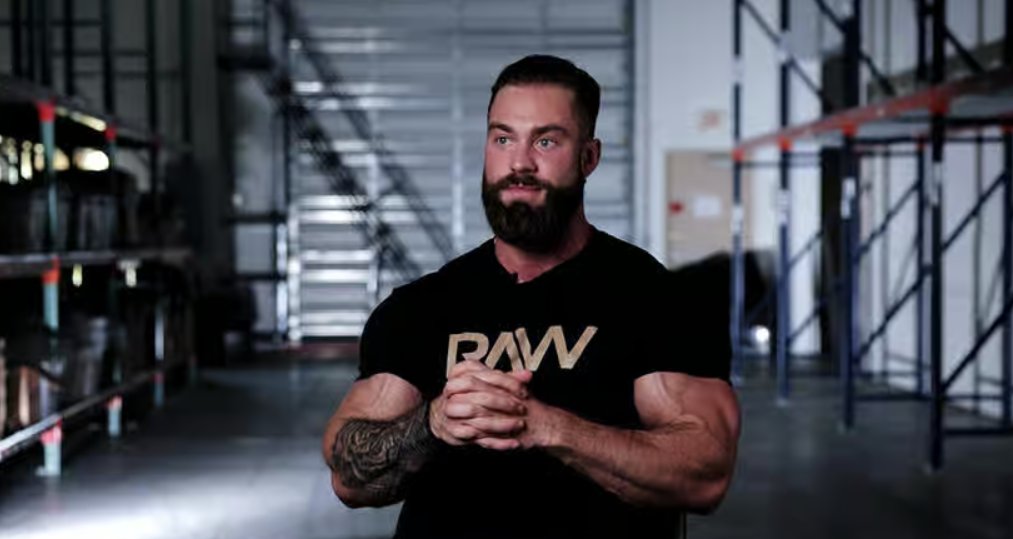
Chris Bumstead had something most supplement brands spend years trying to manufacture. He had credibility that felt earned.
By the time Raw Nutrition became closely tied to his name, Bumstead was already one of the most respected figures in modern bodybuilding. Fans did not follow him because he was loud, controversial, or constantly selling something. They followed him because he was consistent. He showed up, kept winning, stayed disciplined, and came across as someone who actually cared about the process behind the physique.
That matters more than people think.
The supplement world is crowded with brands promising insane pumps, better recovery, faster gains, and cleaner formulas. Most of them sound the same. A lot of them rely on flashy marketing, recycled claims, and short-term hype. Raw Nutrition managed to stand out because it was built around a different feeling. It felt serious. It felt closer to the training floor than the marketing department.
Chris Bumstead helped make that possible.
Raw Nutrition did not grow just because a famous athlete attached his name to a few tubs and shaker bottles. It grew because Bumstead’s image, the brand’s identity, and the product message all lined up in a way that felt believable. That is what pushed Raw Nutrition beyond being seen as just another bodybuilding supplement company. It started to look like a real fitness brand with staying power, community, and business momentum.
Why Chris Bumstead Already Had the Kind of Credibility Most Brands Cannot Buy
Before Raw Nutrition became a bigger business story, Chris Bumstead had already built something more valuable than reach. He had trust.
His rise in Classic Physique gave him a rare kind of authority. He was not just successful for one season. He became the face of a division and then kept winning. That level of consistency changed the way people saw him. He was not another athlete having a hot run. He became the standard many fans and lifters measured others against.
That kind of reputation carries weight in fitness because audiences are skeptical. They know when someone is only promoting a product because a deal landed on their desk. They can usually tell when an athlete is reading from a script. Bumstead never really fit that mold. His public image was built around discipline, routine, training, food, recovery, and a pretty honest look at the ups and downs that come with chasing elite performance.
So when Raw Nutrition became more closely linked to him, the relationship felt natural. It did not feel like a random sponsorship. It felt like an extension of a lifestyle people were already watching.
That gave the brand a stronger starting point than most companies get.
How Raw Nutrition Entered the Market With a Clearer Identity Than Most Supplement Brands
One reason Raw Nutrition clicked with people is that the brand never tried to be everything to everyone right away.
Its identity was clear from the beginning. The message leaned toward performance, quality, and straightforward formulas. Even the name suggested something stripped down and direct. In a market filled with exaggerated labels and overcomplicated positioning, Raw Nutrition felt cleaner and easier to understand.
That clarity mattered because it matched the audience it wanted to attract. Serious lifters do not want to feel like they are being sold a fantasy. They want products that make sense in the real world of training. They want formulas they can understand, a brand voice that feels grounded, and a company that looks like it actually respects the people buying from it.
Raw Nutrition landed in that lane well.
It also helped that the brand’s image lined up so naturally with Chris Bumstead’s own approach. He was already associated with structure, discipline, and high standards. So when people saw him connected to a supplement company that emphasized performance and formulation instead of noise, the fit made immediate sense.
That kind of brand alignment is hard to fake. Raw Nutrition did not have to force the connection. The connection was already there.
Why Chris Bumstead’s Role Felt Bigger Than a Typical Athlete Partnership
A lot of athlete-brand relationships stay on the surface. The athlete posts the product, appears in campaigns, shows up at events, and moves on. That can create visibility, but it does not always create belief.
Chris Bumstead’s relationship with Raw Nutrition felt different because it went beyond being the public face of the brand. He was not presented as just another athlete endorsement. He became part of the company’s identity and growth story in a much deeper way.
That is a big reason the brand gained traction with both hardcore bodybuilding fans and broader fitness audiences. Ownership changes perception. Real involvement changes perception. When people believe an athlete has input in the products, the messaging, and the direction of the brand, they stop seeing it as borrowed credibility and start seeing it as part of a real business.
That shift matters.
It tells customers that the person they trust is not just cashing a check. It suggests that the athlete’s reputation is tied to the outcome. And when the athlete is Chris Bumstead, whose image is built on consistency and standards, that kind of involvement adds serious value.
Raw Nutrition benefited from that. It was not just using CBum’s popularity. It was benefiting from the way his deeper role made the brand look more legitimate.
How the CBUM Product Line Helped Turn Personal Brand Equity Into Sales
One of the smartest moves in the Raw Nutrition story was turning Bumstead’s personal brand into product lines that felt specific, usable, and connected to his routine.
This is where a lot of celebrity-backed products go wrong. They assume the name alone is enough. A famous face gets slapped on a product, and the company hopes fans will buy once out of curiosity.
That is not a durable strategy.
Raw Nutrition approached it differently. The CBUM line felt more like an extension of Bumstead’s training identity than a merch play. Products like Itholate Protein and Thavage Pre-Workout were positioned in a way that made people feel they were buying into a standard, not just a label.
That distinction matters because fitness buyers are not only buying ingredients. They are buying belief, routine, and trust. They want to feel that the product belongs in the same world as the athlete they admire. In Bumstead’s case, that world is disciplined, performance-driven, and built around consistency rather than shortcuts.
The branding helped too. The product names were memorable, but they still felt on-brand for his audience. They had personality without losing the performance angle. That made them easier to market, easier to remember, and easier to separate from generic products in a packed supplement category.
More importantly, the products gave fans a practical entry point into the brand. Not everyone wants to compete in Classic Physique. Not everyone is a bodybuilder. But a lot of people do want a better protein powder, a reliable pre-workout, or a supplement routine that feels connected to a proven athlete.
That is how personal brand equity becomes business growth.
How Raw Nutrition Built Trust Through Formula Quality Instead of Empty Hype
The supplement industry has a trust problem. People have seen too many exaggerated claims, underdosed formulas, mystery blends, and marketing campaigns that promise impossible results.
That is why trust is such a valuable asset in this category.
Raw Nutrition leaned into that reality by building a brand that felt more focused on formula quality and product standards than on hype-first marketing. That does not mean the company ignored branding. It clearly did not. But the brand message worked because it kept coming back to performance, ingredients, testing, and practical use.
For customers, that is a much stronger pitch.
It tells them the company understands what matters after the first purchase. Flashy marketing may drive trial, but product quality drives repeat business. And repeat business is what separates a real brand from a temporary spike.
Chris Bumstead’s presence reinforced that trust. Because he built his own reputation on routine and results, his connection to the product quality story felt believable. People could reasonably assume that an athlete at his level would care about what goes into the formula, how the product performs, and whether it reflects his standards.
That made Raw Nutrition more than a visually strong brand. It made it feel dependable.
How the Brand Started Reaching Beyond Hardcore Bodybuilding
At first glance, Raw Nutrition looks like a brand made for serious lifters. In many ways, that identity helped it grow. But staying limited to hardcore bodybuilding would have capped its potential.
What pushed the brand further was its ability to stretch beyond contest prep culture without losing its core identity.
That is a difficult balance. Some brands chase a wider market so aggressively that they lose the people who made them relevant in the first place. Raw Nutrition largely avoided that problem by expanding outward from a strong base rather than abandoning it.
The brand could still speak to competitive athletes, but it also became more useful to everyday gym-goers who simply wanted better supplements, clearer formulas, and trusted guidance. That broader appeal matters because the real growth in sports nutrition does not come only from elite competitors. It comes from the much larger group of people who train regularly, care about performance, and want products they can rely on.
Chris Bumstead helped bridge that gap. His audience was never limited to bodybuilding purists. He had fans who followed him for physique goals, training motivation, lifestyle discipline, and general fitness inspiration. That gave Raw Nutrition a natural path into a wider market without looking like it was changing character.
Instead of becoming less serious, the brand became more accessible.
How Community Helped Raw Nutrition Feel Like a Lifestyle Brand
Products matter, but community is what turns a supplement company into something people actually want to stay around.
This is another area where Raw Nutrition benefited from Bumstead’s presence. Chris Bumstead was never just a competitor people watched once a year on stage. He was part of the everyday content ecosystem of training, meals, prep, recovery, routines, and personal growth. That kind of visibility creates more than followers. It creates familiarity.
Raw Nutrition built on that by making the brand feel connected to a broader fitness lifestyle. Athlete content, educational content, events, product drops, and community-facing moments all helped the company feel active rather than transactional.
That matters in modern fitness branding. People do not just buy products anymore. They buy into identity, culture, and belonging. They want to feel like the brand understands how they train, what they value, and where they are trying to go.
Raw Nutrition managed to create that feeling without becoming overly polished or disconnected from its roots. It still felt like a brand built by people who live in the gym world. But it also felt more expansive than a typical supplement label.
That is how a company starts moving toward lifestyle brand territory.
How Business Growth Proved Raw Nutrition Was Becoming More Than a Personality Brand
At some point, every athlete-led brand faces the same question. Is this a real company, or is it only successful because one person is famous?
Raw Nutrition’s growth helped answer that question.
The company began looking like more than a personal brand extension because the business kept building momentum in ways that suggested staying power. Growth, wider market attention, and strategic partnerships all pointed toward a company thinking beyond short-term popularity.
That matters because personality can open the door, but business structure is what keeps a brand moving after the initial wave of attention. A supplement company that wants to last needs more than loyal fans. It needs products people come back for, leadership that can scale, and a vision that can reach beyond one athlete’s peak years.
Raw Nutrition started showing signs of exactly that kind of maturity.
Its broader expansion story made it easier to view Bumstead not just as the face of a successful supplement brand, but as a serious entrepreneur tied to a growing company. That changes the narrative around his success. It moves him from athlete-endorsed brand builder into a larger conversation about athlete ownership, product credibility, and long-term business value.
What Chris Bumstead and Raw Nutrition Got Right That Other Fitness Brands Miss
A lot of fitness brands chase visibility first and trust later. Raw Nutrition’s rise shows why that order can be backward.
The brand benefited from having a public figure who already meant something to the audience. Chris Bumstead’s reputation was not based on quick virality. It was based on repeated proof. That allowed Raw Nutrition to build on a stronger foundation than simple attention.
The company also understood that brand alignment matters. Bumstead’s image and Raw Nutrition’s message fit together naturally. The products did not feel random. The tone did not feel borrowed. The business story did not feel forced.
Another thing they got right was consistency. The brand did not need to reinvent itself every few months to stay relevant. It kept reinforcing the same core ideas: performance, quality, credibility, community, and athlete-driven standards. Over time, that repeated message became part of the brand’s strength.
That is what many fitness brands miss. They assume louder branding automatically wins. In reality, the brands that last usually give people a reason to trust them, then keep proving they deserve that trust.
What Other Founders and Athlete Brands Can Learn From the Raw Nutrition Story
The biggest lesson from the Raw Nutrition story is not that every athlete should launch a supplement line. It is that success becomes more durable when the personal brand and the business are truly connected.
Chris Bumstead gave Raw Nutrition more than attention. He gave it relevance, standards, and a level of authenticity that is difficult to replicate. But that only worked because the company had a clear identity, products that made sense, and a business direction capable of growing beyond one person’s fame.
That combination is what turned Raw Nutrition into more than a bodybuilding supplement brand.
It became a stronger example of how athlete credibility can evolve into real brand value when the product, the message, and the business model all support each other.