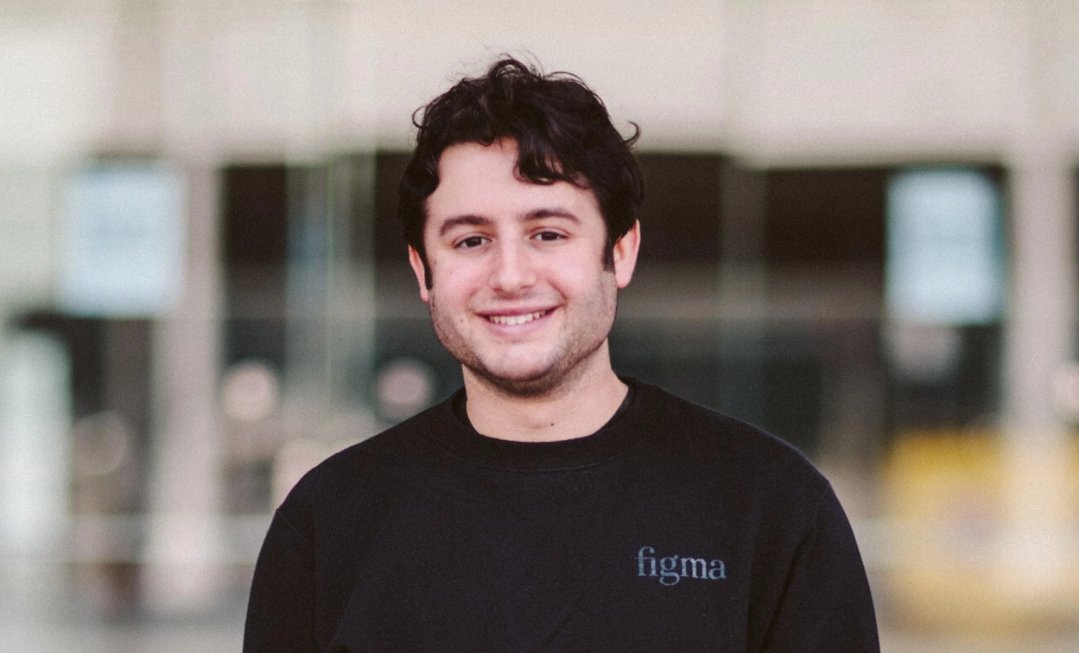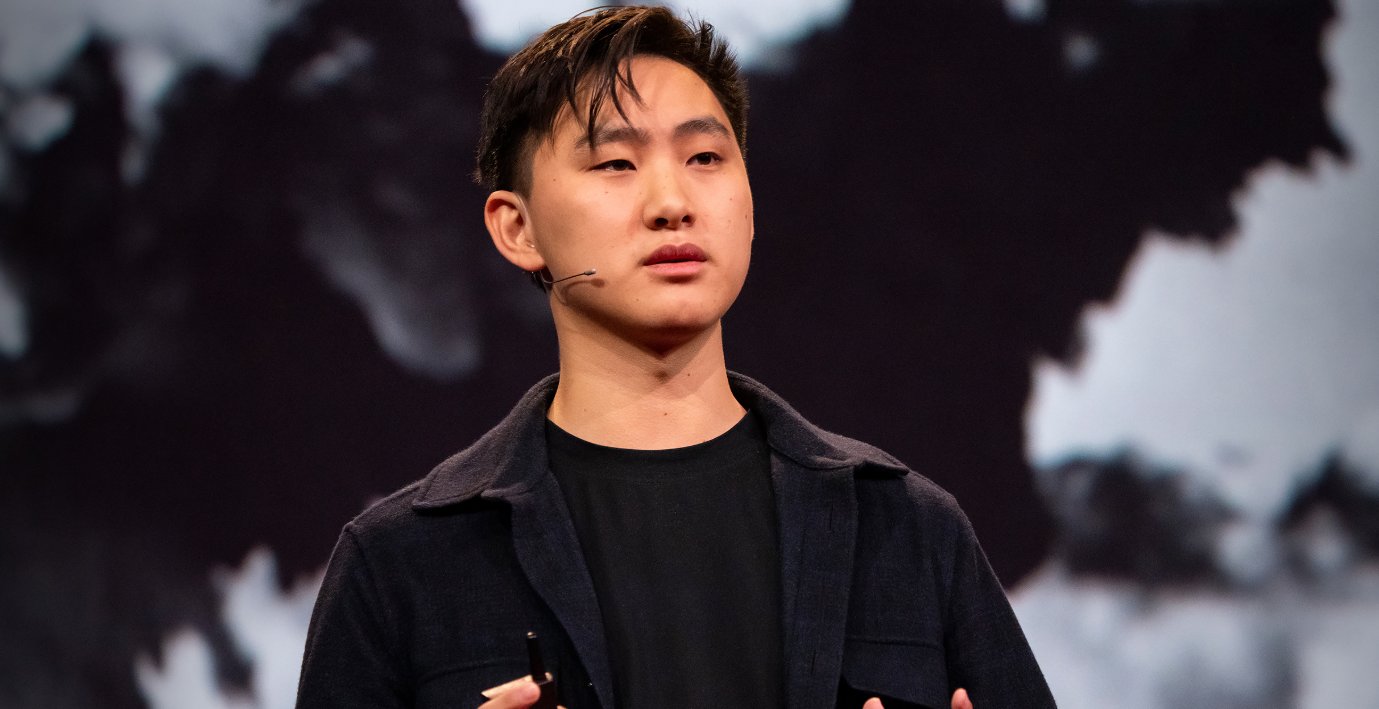
Harry Stebbings did not take the usual route into venture capital. He did not come out of a big investment bank, spend years inside a famous fund, or quietly build his name behind the scenes. He built his reputation in public.
For years, he showed up with a microphone, a list of smart questions, and a clear obsession with startups, founders, and investors. That work became The Twenty Minute VC, a podcast that steadily grew into a serious media brand. Over time, the audience got bigger, the guest list got stronger, and the relationships got deeper. What looked like content from the outside was slowly becoming something much more valuable: trust.
That trust became the foundation for 20VC, the investment firm Harry Stebbings built after years of turning conversations into access. What started as a podcast brand eventually became a venture platform with real capital, real portfolio companies, and real weight in the startup world. By the time 20VC closed a $400 million third fund, the story was no longer about whether a podcaster could break into venture. The story had become about how a media-first operator managed to build a modern fund in a very traditional industry.
Who Is Harry Stebbings and What Is 20VC?
Harry Stebbings is the founder of 20VC and the host behind The Twenty Minute VC, a podcast that built its following by making venture capital feel more direct, more personal, and easier to understand. Instead of trying to sound distant or overly polished, he built his platform around conversations. That mattered, because venture is an industry built on relationships long before it is built on money.
20VC grew out of that world. It was never just a logo placed on a podcast feed. It became a broader platform that sat between media, investing, and founder relationships. That positioning helped it stand out. Most venture firms raise money first and then worry about brand later. Harry Stebbings did the opposite. He built attention and credibility before turning that momentum into a fund.
That shift is what makes his story worth paying attention to. Plenty of people host podcasts. Plenty of people want to become investors. Very few manage to turn one into the other at scale.
The Podcast Came First, but the Bigger Opportunity Was Always Trust
The easiest way to misunderstand Harry Stebbings is to assume the podcast was only a media play. It was media, of course, but it was also a long-term relationship engine.
When you spend years talking to founders, operators, and investors, you learn how people think when the cameras are off and the headlines fade. You start to understand what great founders sound like before the rest of the market notices them. You build pattern recognition, but you also build familiarity. In venture, familiarity matters more than people like to admit.
That is where The Twenty Minute VC gave Harry Stebbings an edge. He was not meeting interesting people once or twice a quarter. He was doing it constantly. Episode by episode, he was building a network that was public, visible, and compounding.
Why podcasting gave him an edge
Podcasting gave him a reason to be in rooms he otherwise may not have entered so early. It gave him a way to ask questions without pretending to know everything. That is a powerful position. People are often more open with someone who is genuinely curious than with someone trying too hard to prove expertise.
Over time, those conversations created more than content. They created repetition. Founders heard his name again and again. Investors knew the show. Operators listened. That kind of recurring presence is hard to buy and even harder to fake.
Why consistency mattered more than hype
A lot of people confuse momentum with consistency. Momentum gets attention for a moment. Consistency earns trust over time.
Harry Stebbings kept publishing, kept building, and kept staying visible in a space where many people show up loudly and disappear just as fast. That consistency made the audience feel real. It made the network feel earned. It also made the eventual move into venture capital feel less random than it may have looked from the outside.
How audience became deal flow
This is where the story becomes especially interesting. A strong audience is useful. In venture, though, access is what changes everything.
When founders already know who you are, when they have listened to your conversations, and when they associate your brand with startup thinking, the jump from media personality to investor becomes much more natural. Founders do not only want money. They want investors who can open doors, create attention, and understand the game.
Harry Stebbings had something many first-time fund managers do not have: a visible platform. That made 20VC more than just another new fund trying to earn a place in crowded rounds.
How Harry Stebbings Turned 20VC From Media Into an Actual Fund
The real turning point came when the media brand stopped being the whole story and became the launchpad.
In 2020, Harry Stebbings launched 20VC with an $8.3 million micro fund. On paper, that may have looked small compared with long-established venture names. In context, it was a big statement. It proved that the brand had real investor belief behind it. More importantly, it showed that the years spent building attention around startup conversations could convert into capital.
That was not a guaranteed outcome. There is a big difference between being known and being trusted with money. The first gets clicks. The second gets limited partners.
The leap from interviewer to investor
This part of the story matters because it was unusual. Venture capital is full of gatekeeping. Titles, backgrounds, networks, and institutional histories tend to matter a lot. Harry Stebbings did not arrive through the standard path, and that alone gave people a reason to doubt the move.
But there was also a reason it worked. He did not come into the market as a stranger. By the time he launched the fund, he had already spent years in conversation with the people who shape the startup world. He had built visibility, yes, but he had also built context.
Why 20VC stood out from traditional VC firms
20VC was different because it was born with distribution.
Many new funds struggle with the same early problem: even if they have capital, they still need to get noticed. 20VC already had a brand, an audience, and a recognizable voice. That meant Harry Stebbings was not starting from zero when competing for founder attention.
That does not guarantee good investing, but it does create a real advantage. In startup markets, the best opportunities often go to the people founders already trust, know, or want around the table.
The Fundraising Milestones That Changed Everything
The growth of 20VC is easiest to understand through the fundraising timeline, because each step changed how the market viewed Harry Stebbings.
2020: The $8.3 million starting point
The first fund mattered because it turned the story from interesting to credible. It was proof that 20VC was not just a content brand experimenting with checks on the side. It was an actual investment vehicle with a defined approach.
At that stage, the idea still felt surprising to many people. A podcast host launching a fund sounded unconventional. But unconventional does not always mean unserious. In some cases, it simply means early.
2021: Scaling to $140 million
If the 2020 launch opened the door, 2021 was the year 20VC looked impossible to ignore. Harry Stebbings raised $140 million across a pair of funds, one focused on early stage and another on growth. That changed the scale of the conversation.
This was the moment where the narrative shifted. He was no longer just a media figure testing whether he could invest. He was building a real venture firm with broader ambition and stronger backing. The jump in fund size suggested that limited partners were not only interested in the story. They believed in the model.
2024: The $400 million breakthrough
Then came the milestone that made the rise impossible to dismiss: 20VC’s $400 million third fund.
This fund was designed with $125 million for seed investments and $275 million for Series A, showing that 20VC had moved well beyond its original micro-fund identity. The scale alone made clear how far Harry Stebbings had come. He had gone from building attention through interviews to managing a platform capable of competing at a much larger level across Europe and the US.
That is the part many people miss when they reduce the story to “podcaster becomes investor.” It was not a novelty arc. It was an expansion story.
Why 20VC’s Media Model Worked When Others Would Struggle to Copy It
Once a story like this gets attention, people naturally want to copy it. Launch a podcast, build an audience, raise a fund. Simple.
Except it is not simple at all.
The reason 20VC worked is not just that Harry Stebbings had a show. It is that he spent years turning that show into a serious network, a trusted brand, and a repeat channel for conversations with top people in the startup world. The media was not decoration. It was infrastructure.
Attention opened doors
Attention on its own is not enough, but it does create access. In industries where relationships matter, access is a major advantage. A visible brand makes it easier to reach people, easier to stay top of mind, and easier to get a first meeting.
Relationships created leverage
The real power came after the first introduction. Harry Stebbings had built familiarity with founders, operators, and investors across years of repeated interaction. That kind of relationship depth becomes leverage because it helps with sourcing, reputation, and signals.
Brand made 20VC more visible than a typical new fund
Most emerging managers spend years trying to stand out. 20VC stood out much faster because the brand already existed before the fund matured. That meant 20VC could enter founder conversations with something most new firms lack: recognition.
The Kind of Companies and Networks That Strengthened 20VC’s Reputation
Brand gets attention, but portfolio quality is what gives a fund staying power.
That is another reason the 20VC story has lasted. Harry Stebbings and 20VC have been associated with companies such as Pachama, Linear, Tripledot, Superhuman, AgentSync, Linktree, and Sorare. Those names matter because they show that the platform did not remain a media business wearing an investor costume. It moved into actual startup backing with companies people in tech already know.
Why portfolio quality matters in this story
A strong portfolio gives weight to everything else. It tells founders that the firm is more than a loud brand. It tells LPs that the platform is producing real exposure to venture opportunities. And it tells the market that the model can translate into outcomes beyond visibility.
How founder trust helped 20VC compete
Founders have more choices than ever when it comes to investors. The firms that win are often the ones that offer more than capital. Media reach, recruiting help, strategic introductions, and brand value all matter. 20VC’s identity gave it a different kind of pitch.
Why network effects matter in venture capital
Venture compounds through people. Strong founders attract strong investors. Strong investors attract more founder interest. Good companies create better future access. Once a firm gains real traction, the network begins to reinforce itself.
That is one of the clearest explanations for 20VC’s rise. The media platform helped build the network, and the network helped strengthen the investing side.
What Harry Stebbings Did Differently From Traditional Venture Capital Paths
The classic venture path usually runs through finance, operations, or established funds. Harry Stebbings built something else first: a public-facing brand in a private industry.
That mattered because venture has always cared about information and access. The difference is that Harry built his access in public. He let the market watch him learn, connect, and grow. That made his rise easier to doubt in the beginning, but it also made his brand stronger once the model started working.
He built an audience before a fund
This is one of the clearest differences. Many investors try to build a name after they already control capital. Harry Stebbings built a name first and then turned that attention into a fund.
He created a public brand in a private industry
Venture capital often runs on private conversations, closed circles, and quiet reputation. Harry Stebbings built in the open. That gave 20VC a very different energy from traditional firms.
He turned content into long-term business infrastructure
This is probably the most important point in the entire story. The content was not the side project. It was the foundation. It built the audience, the credibility, the relationships, and eventually the investing engine.
What 20VC’s Rise Says About the Future of Venture Capital
20VC’s growth says something bigger about where venture may be heading.
Capital still matters, obviously. But money alone is less differentiating than it used to be, especially at the early stage. Founders increasingly care about distribution, reputation, network access, and the ability of an investor to actually help.
Harry Stebbings built 20VC in a way that reflects that shift. He did not separate media from venture. He treated media as a competitive advantage inside venture. That may not be the only way to build a modern fund, but it is one of the clearest examples of how attention, trust, and execution can work together when someone plays the long game.
And that is really the heart of this story. Harry Stebbings did not simply turn a podcast into a fund. He turned years of conversations into a business model that gave 20VC a place at the table.