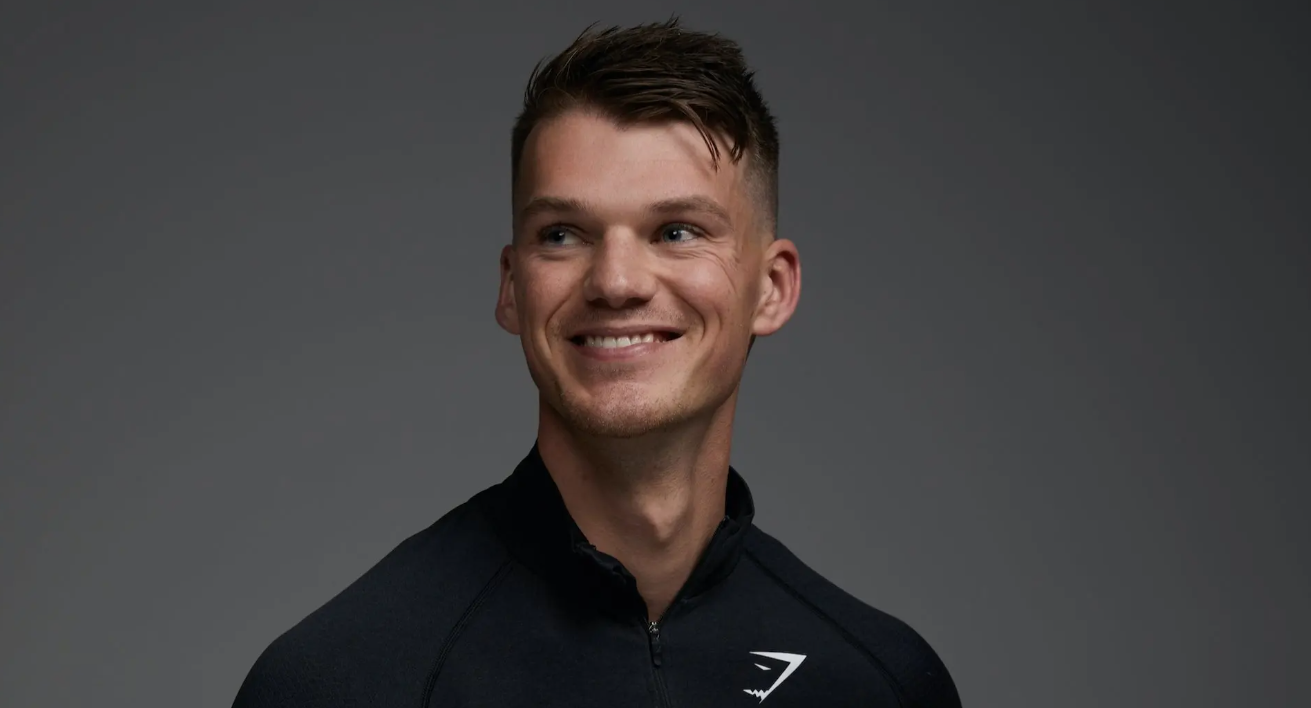
Ben Francis did not build Gymshark from a glossy boardroom or a polished startup incubator. He started with a much simpler setup: a garage, a sewing machine, a screen printer, and a clear sense that the fitness world was changing.
That matters because Gymshark never felt like a brand built by people looking at the gym from the outside. It came from someone who was already inside that world, someone who understood training culture, the mindset behind self-improvement, and the kind of workout clothing people actually wanted to wear. What started in Birmingham as a small side project grew into a global fitness brand, and Ben Francis became one of the most talked-about founder stories in British business.
The rise of Gymshark is not just about selling activewear. It is about spotting a gap in the market early, building a direct-to-consumer brand before that model became standard, and creating a real fitness community around products people felt emotionally connected to.
Ben Francis did not start with a big-company playbook
Before Gymshark became a serious name in fitness apparel, Ben Francis was simply a young guy who loved training and wanted to build something of his own. He was not following a neat corporate path. He was figuring things out as he went, learning from the internet, experimenting with products, and paying attention to the kind of energy forming around online fitness culture.
That background shaped the business in a big way. Ben Francis was not trying to copy legacy sportswear companies. He was much closer to the customer than that. He understood the ambition behind lifting, the confidence people tie to progress in the gym, and the way fitness had started blending into identity, lifestyle, and online culture.
That gave Gymshark an edge early on. Instead of feeling like just another sportswear label, it felt like a brand built by people who actually lived the same routines as their audience.
How Gymshark started in a garage in Birmingham
The garage startup line gets used so often that it can start to sound empty, but in the case of Ben Francis and Gymshark, it is a real part of the story. Gymshark began in 2012 in Birmingham, with Francis working from a small setup and producing items with basic equipment. The company did not launch with huge funding, a big team, or a ready-made retail network.
That early stage was messy in the way real startups usually are. There was trial and error, limited money, and a lot of hands-on work. Ben Francis and his co-founder Lewis Morgan initially sold fitness supplements online, but the bigger opportunity appeared when they moved into gym wear and started creating products that matched the look and feel younger fitness consumers were already gravitating toward.
That shift was important. It turned Gymshark from a small ecommerce idea into a brand with a clearer identity. The name, the aesthetic, and the product direction began to line up.
Why Ben Francis saw an opening in the fitness market
One reason the Gymshark story stands out is timing. Ben Francis entered the market at a moment when fitness was becoming more public, more social, and more visual. People were not just training in private anymore. They were sharing progress, following athletes, posting workouts, and building communities around lifting, bodybuilding, conditioning, and personal transformation.
Traditional sportswear brands still had scale, but they did not always feel close to that newer crowd. A younger audience wanted performance apparel that looked modern, fit well, photographed well, and felt connected to gym culture rather than mainstream athletics.
Gymshark leaned into that space. It built around the people who cared about training as a daily habit and a form of identity. That was a sharp piece of product-market fit. Ben Francis did not need to outspend established names. He needed to understand a specific customer better than they did.
The early Gymshark products that helped the brand get noticed
Early traction matters because plenty of startup ideas sound exciting in theory and go nowhere in practice. Gymshark got noticed because people responded to the products. They liked the fit, the look, and the fact that the brand seemed made for a newer kind of gym consumer.
This was not luxury fashion, and it was not old-school sports kit either. It sat in that sweet spot between function and lifestyle. The products worked as workout clothing, but they also carried the look of a modern fitness brand people wanted to be associated with.
That helped Gymshark build momentum far beyond what its size suggested. The company did not feel small in the way it presented itself. It felt focused. And in brand building, that can matter just as much as scale in the early years.
How social media helped Ben Francis and Gymshark grow faster
If you want to understand why Gymshark grew so quickly, you have to look at social media branding and creator-led marketing. Ben Francis and Gymshark understood something early that many businesses missed: attention was shifting, and community-first marketing could beat traditional advertising when the fit was right.
Gymshark built visibility by working with fitness creators, athletes, and influencers who already had trust inside the community. That made the brand feel native to the platforms where its audience was spending time. Instead of pushing messages from a distance, Gymshark appeared in the feeds, workouts, transformations, and everyday routines of people its customers already followed.
That strategy did more than drive traffic. It built brand loyalty. Customers did not just see Gymshark as workout gear. They saw it as part of a wider fitness lifestyle. That kind of emotional connection is hard to manufacture later. Gymshark built it while the brand was still young.
This is one of the clearest reasons Ben Francis and Gymshark became such a strong ecommerce success story. The company used digital community, user attention, and internet-native brand strategy in a way that felt early, confident, and culturally aware.
Gymshark became more than activewear
A lot of companies can sell leggings, shorts, hoodies, or training tops. Fewer can make those products feel like part of a larger movement. Gymshark did that by building around ambition, consistency, and the self-improvement mindset that sits at the heart of fitness culture.
That is why the brand became more than activewear. It became a signal. Wearing Gymshark meant something to its audience. It connected to progress, discipline, confidence, and belonging.
This is where the business story becomes more interesting than a simple retail success case. Ben Francis was not just scaling a startup. He was building a community-led brand that gave people a sense of identity. That identity piece is what helps modern brands stick.
The billion-pound moment that changed everything
In 2020, Gymshark hit a major business milestone when General Atlantic invested in the company in a deal that valued the brand at more than £1 billion. That moment changed how the wider business world looked at Gymshark.
Until then, some people still saw it mainly as a fast-growing online fitness brand. After that, it was much harder to dismiss it as a niche success story. A billion-pound valuation pushed Gymshark into a different category. It signaled that the brand had grown into a serious global business with real staying power.
For Ben Francis, that milestone also changed the public perception of his founder journey. He was no longer just the young entrepreneur who started in a garage. He was the founder of one of the UK’s biggest modern consumer brand success stories.
Why Ben Francis stepping back and returning as CEO mattered
One of the more interesting parts of the Gymshark story is that Ben Francis did not follow a perfectly straight leadership path. He stepped away from the CEO role for a period, then returned to it as the company entered a new phase.
That return mattered because it reflected growth on both sides. Gymshark had become a more mature company with bigger operational demands, and Francis had also evolved as a leader. Founder-led companies often reach a stage where vision alone is not enough. They need structure, better systems, and a clearer sense of how to scale without losing what made the brand special in the first place.
Ben Francis returning as CEO signaled that Gymshark was entering a new chapter. It was no longer only about early momentum. It was about long-term leadership, international growth, and protecting the brand’s identity while expanding its reach.
From online fitness brand to real-world retail presence
Gymshark spent years proving that a digital-first brand could punch far above its weight. But the move into physical retail showed another kind of confidence. When the Regent Street flagship opened in London in 2022, it made a clear statement: Gymshark was not just an internet success story anymore.
That store mattered symbolically and commercially. Symbolically, it placed the brand in one of the best-known retail locations in the UK. Commercially, it gave customers a physical space to experience the brand beyond a screen.
For a company built through ecommerce growth, that move into retail expansion showed maturity. It suggested that Gymshark understood how to translate online energy into an offline brand experience without abandoning its digital roots.
What Ben Francis built differently from older sportswear brands
The strongest difference between Gymshark and older sportswear companies is not just style. It is speed, closeness, and brand behavior.
Legacy brands often grew through wholesale, celebrity sponsorships, and broad mass-market positioning. Gymshark grew as a direct-to-consumer business with a sharper audience focus. It listened closely to its fitness community, moved faster on product and content, and built cultural relevance through creators, athletes, and everyday customers.
That approach made Gymshark feel more responsive. It was not trying to speak to everyone at once. It was speaking very clearly to people who saw training as part of who they were.
That is a major lesson in modern brand building. Relevance beats generic reach when you are trying to create loyalty in a crowded category.
Gymshark’s global scale shows how far the brand has come
The numbers around Gymshark now make the original garage story even more striking. What began as a small Birmingham startup has become a global fitness brand serving customers across more than 200 countries through multiple online stores, supported by a huge social following and an international team.
That kind of business scale does not happen by accident. It comes from consistent brand positioning, smart ecommerce operations, strong customer understanding, and a founder vision that stayed connected to the audience even as the company grew.
This is why the Ben Francis and Gymshark story resonates beyond the fitness industry. It is a case study in startup growth, digital-first expansion, and how founder-led companies can move from niche relevance to global reach.
The recognition Ben Francis earned along the way
As Gymshark kept growing, recognition followed. Ben Francis moved from being known mainly inside fitness and ecommerce circles to becoming a widely recognized UK entrepreneur. His name became associated with leadership, scale, and the kind of modern business success story that feels both aspirational and unusually hands-on.
That wider recognition was reflected in major business attention and national honours, including being appointed an MBE. It added another layer to the story because it showed that what he built with Gymshark was not just commercially successful. It was seen as a meaningful contribution to British business more broadly.
That kind of recognition matters because it confirms something the market had already been saying for years: Gymshark was no longer a rising brand. It was an established force.
What entrepreneurs can learn from Ben Francis and Gymshark
There are a few reasons this founder story connects with so many people. First, it shows that starting small does not limit the size of the outcome. A garage, a laptop, and a strong read on customer behavior can go much further than people think.
Second, it shows the value of building inside a community rather than marketing from the outside. Ben Francis understood fitness culture because he was part of it. That made Gymshark feel authentic in a way many brands struggle to replicate.
Third, it proves that brand growth is not only about the product. Product quality matters, but customer identity, digital community, creator trust, and consistent positioning matter too. Gymshark became a global name because it built a business and a feeling at the same time.And finally, the story shows that leadership has to evolve. Ben Francis did not stay frozen in the role of young founder. He adapted as Gymshark became bigger, more visible, and more complex. That ability to grow with the business is one of the clearest reasons the company kept moving forward.