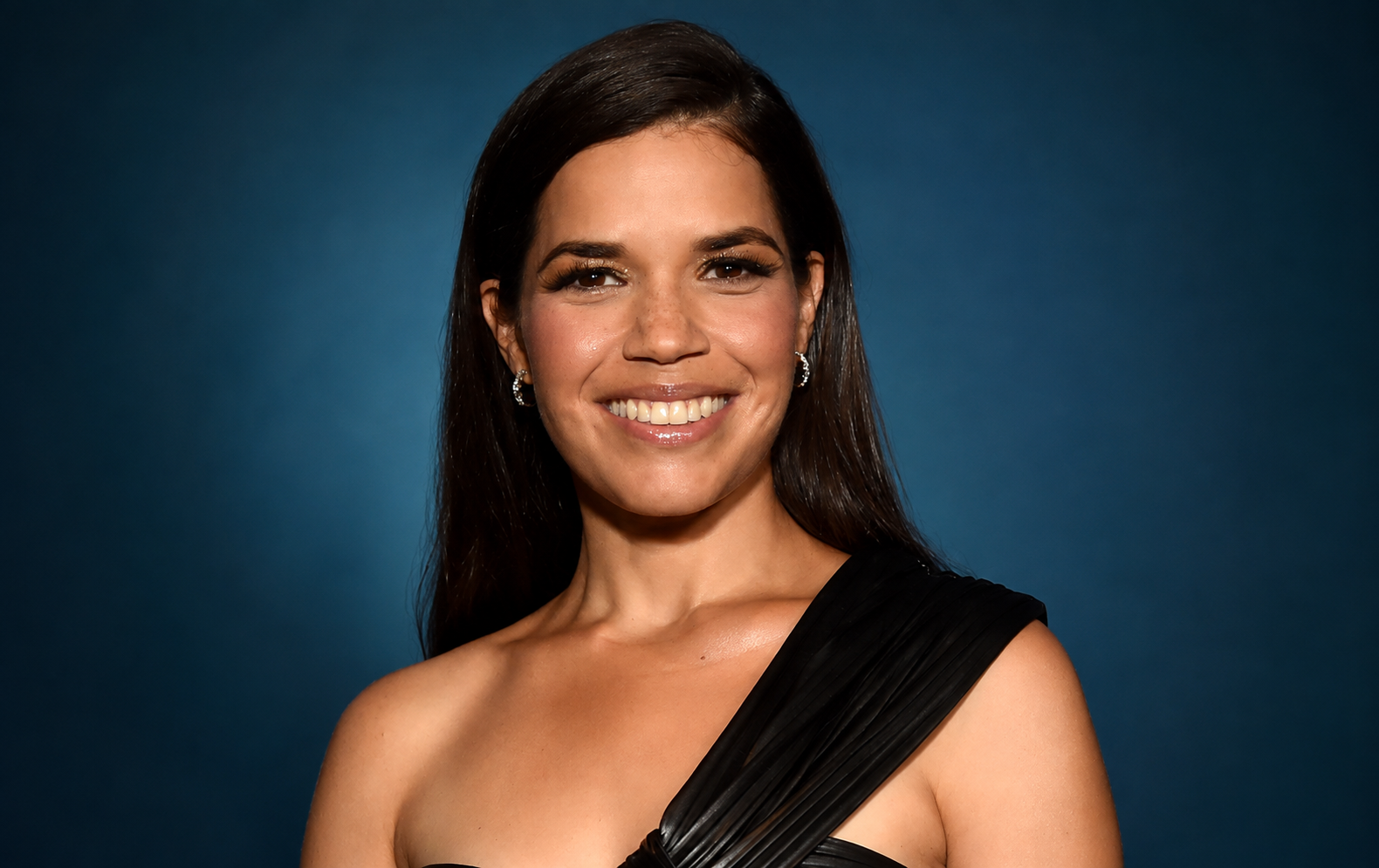
Most stars who quit at their commercial peak watch their money evaporate. Cat Stevens is the rare exception. He stopped recording, touring, and performing in 1978, lived for nearly two decades on song royalties alone, then rebuilt a career from scratch after 2006. Understanding his wealth means understanding the one asset that never stopped paying: a songwriting catalog people never stopped playing.
Cat Stevens’ Net Worth at a Glance
Here’s the quick answer most searchers want:
- Estimated net worth: roughly $10-11 million (the most widely cited, best-supported figure)
- Born: Steven Demetre Georgiou, July 21, 1948, London
- Known as: Cat Stevens, later Yusuf Islam, now often billed simply as “Yusuf / Cat Stevens”
- Age: 77
- Nationality: British
- Primary income: songwriting and recording royalties, catalog performance, touring since 2006, sync licensing
You’ll see far higher numbers floating around — some sites claim $100 million, a few even $380 million. We’ll explain below why those figures are almost certainly wrong, and how to tell a sourced estimate from an invented one.
How Cat Stevens Built His Fortune in the 1970s
The foundation was laid in a remarkably short window. After a bout of tuberculosis nearly ended his early career, Stevens returned with two of the defining singer-songwriter albums of the era: Tea for the Tillerman (1970) and Teaser and the Firecat (1971). Both went multi-platinum in the U.S., and the songs on them — “Wild World,” “Father and Son,” “Peace Train,” “Moonshadow,” “Morning Has Broken” — became standards.
That word, standards, is the financial key. A hit single pays once through touring and album sales. A standard pays forever. Because Stevens wrote his own material, he owned the songwriting royalties, not just the performer’s cut. That distinction is why his money behaved so differently from a typical touring act’s when he walked away.
By the mid-1970s he was one of the biggest-selling artists on the A&M roster, with a run of gold and platinum records and sold-out tours behind him. The performance income was large but temporary. The publishing was the machine that kept running.
The 1978 Retirement: Walking Away at the Peak
In 1976 Stevens nearly drowned off Malibu. As the story goes, he prayed that if he was saved he would devote his life to God — and a wave carried him back to shore. He converted to Islam in 1977, took the name Yusuf Islam, and by 1978 had auctioned off his guitars for charity and left the music business almost entirely.
He didn’t record. He didn’t tour. He barely performed in public for close to 18 years. For any other artist, that’s a financial death sentence — no new product, no ticket sales, no relevance. His fortune should have shrunk toward zero.
It didn’t. And the reason it didn’t is the part every generic net-worth page skips.
Living on Catalog Royalties: The Money Behind the Silence
Two things kept the lights on during the silent years.
First, the songs never stopped selling. “Wild World” and “Father and Son” stayed in heavy rotation on classic-rock radio, got covered repeatedly, and turned up in films and commercials. Every play generated a royalty. As late as 2007, Stevens was documented earning around $1.5 million a year in royalties — while doing essentially nothing to earn it. Compound that across nearly two decades and you can see how a catalog alone funds a comfortable multi-decade absence.
Second, he applied a moral filter to his own money. This is the detail that separates his story from every other retired rocker. Stevens decided a portion of his catalog — songs he came to view as incompatible with his faith, roughly 40% by his own accounting, those touching on themes he considered anti-God or tied to sex and alcohol — should no longer profit him personally. He routed those royalties directly to charity. Income from the remaining songs flowed through his Cat Music publishing company and supported him and his family.
So when people ask how much is Cat Stevens worth, the honest answer includes an asterisk: his personal net worth is smaller than his catalog’s raw earning power, because he voluntarily gave away a large slice of it for decades. That’s not a footnote — it’s central to why his number is $10 million and not several times that.
Philanthropy as Part of the Ledger
The charity work wasn’t just a moral choice; over time it became a reputational asset. In 1983 he founded the Islamia Primary School in London, then spent 13 years campaigning for it to receive UK state funding — a fight he eventually won. He later built out the Yusuf Islam Foundation and the humanitarian charity Small Kindness.
Why does this belong in a net-worth analysis? Because goodwill protects catalog value. An artist whose legacy is defined by generosity and conviction keeps audiences — and sync licensors, and reissue labels — comfortable using his music. That sustained demand is worth real money to a rights holder, even if it never shows up as a line item.
The Comeback: Rebuilding Income After 2006
In 2006 he returned to secular pop with An Other Cup, his first such album in 28 years, followed by Roadsinger (2009) and The Laughing Apple (2017). He started touring again. The honors piled up — a Q Award, and in 2014 induction into the Rock and Roll Hall of Fame.
The comeback added fresh income on top of the old catalog, and it arrived in a new form. The streaming era turned his standards into perpetual micro-earners on Spotify and Apple Music, while sync licensing — placing “Wild World,” “Father and Son,” and “Peace Train” in films, TV, and ads — became a distinct modern revenue layer that didn’t exist during his 1970s heyday. This is the same catalog-longevity story that keeps fortunes intact for peers like Joan Jett, whose publishing outlasted her chart run.
Why Net Worth Estimates Vary So Wildly
Type his name into a search engine and you’ll get chaos: $10 million on the established aggregators, $100 million on thinner sites, and figures as high as $380 million on AI-spun pages with no sourcing whatsoever.
Here’s how to read it. The $10-11 million range comes from outlets that at least point to verifiable inputs — album sales, documented royalty income, touring history, public real estate. The eight- and nine-figure claims cite nothing. They’re either confusing catalog gross earnings with personal net worth, or simply inventing numbers to chase clicks.
A useful rule for any celebrity net-worth figure: if the number isn’t attached to an income stream you can name, treat it as fiction. Stevens’ verifiable streams — a proven catalog, resumed touring, streaming and sync royalties, minus a large charitable diversion — support something in the low eight figures, not the low nine. We apply that same sourced-inputs test to every fortune we cover, from Kacey Musgraves to Noah Kahan.
Cat Stevens Net Worth by Year (2022-2026)
Because so many people search for a specific year, here’s how the estimate has tracked. These are stable, catalog-driven figures — his wealth doesn’t swing much year to year, which is exactly the point of owning durable publishing.
| Year | Estimated Net Worth | Notes |
|---|---|---|
| 2022 | ~$10 million | Steady catalog and streaming royalties |
| 2023 | ~$10 million | Ongoing reissues and sync placements |
| 2024 | ~$10-11 million | Sustained streaming demand for standards |
| 2025 | ~$10-11 million | Legacy-artist catalog values broadly firm |
| 2026 | ~$10-11 million | No verified sale of the catalog; passive royalties continue |
If he ever sold his publishing outright — as many legacy artists have in recent years — that lump sum could reset the figure sharply upward. To date, there’s no confirmed sale of the Cat Stevens catalog.
The Takeaway: A Fortune Built to Last
Cat Stevens’ net worth in 2026 is a case study in the difference between earning money and owning the thing that earns it. He gave away a huge share of his royalties, disappeared for almost two decades, and came back to find the songs had kept working the whole time. The number is modest by superstar standards — but the durability behind it is almost unmatched.
Frequently Asked Questions
What is Cat Stevens’ net worth today?
The most widely cited and best-supported estimate puts Cat Stevens (Yusuf Islam) at roughly $10-11 million in 2026. Higher figures of $100 million or more circulate online but have no credible sourcing behind them.
Why did Cat Stevens quit music and retire in 1978?
After nearly drowning off Malibu in 1976, he converted to Islam, took the name Yusuf Islam, and left the music business by 1978 to focus on his faith, family, and charitable work. He stayed away from recording and touring for nearly 18 years.
Does Yusuf Islam still get royalties from Cat Stevens songs?
Yes. His songwriting and recording royalties never stopped. As of 2007 he was documented earning about $1.5 million a year. However, he routed royalties from roughly 40% of his catalog — songs he considered incompatible with his faith — directly to charity.
Did Cat Stevens sell his music catalog?
There is no confirmed public sale of his catalog. His publishing has largely flowed through his Cat Music company. If he ever sold it outright, as many legacy artists have, it could raise his net worth significantly in a single transaction.
How much money did Cat Stevens donate to charity?
He has directed royalties from about 40% of his catalog to charity since the late 1970s and 1980s, funded the Islamia schools, and built out the Yusuf Islam Foundation and Small Kindness. The total giving over decades is substantial, which is a key reason his personal net worth is lower than his catalog’s raw earning power.
Is Cat Stevens still making music?
Yes. He returned to secular music with An Other Cup (2006) and has released albums and toured since, performing as Yusuf / Cat Stevens. He was inducted into the Rock and Roll Hall of Fame in 2014.