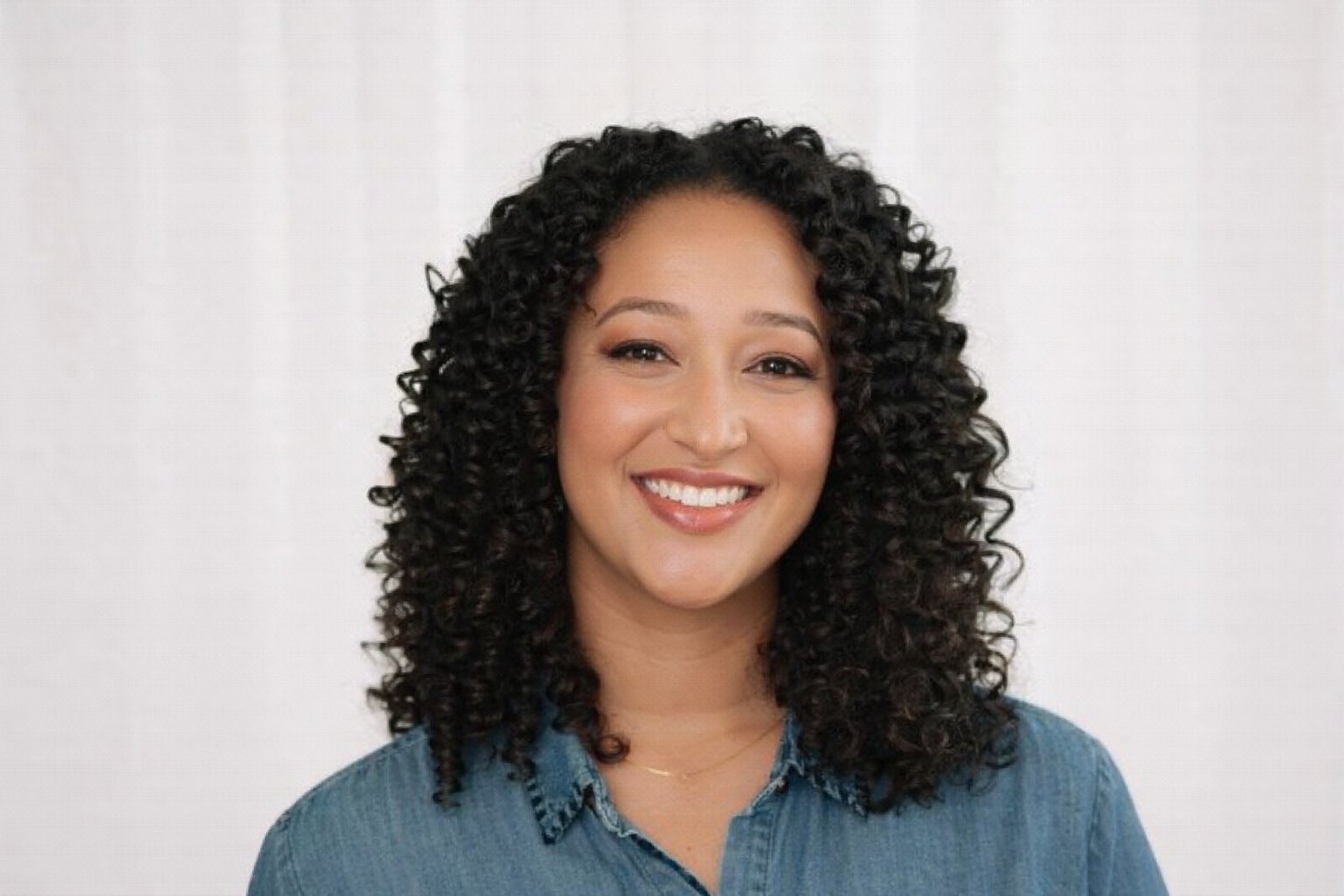
Denise Woodard did not start Partake Foods because she wanted to chase a trend. She started it because her life changed at home.
When her daughter Vivienne had a severe allergic reaction and was later diagnosed with multiple food allergies, Woodard came face to face with a problem that many families know too well. Finding snacks that felt safe was already hard enough. Finding ones that also tasted good, felt modern, and did not make a child feel left out was even harder.
That gap became the foundation for Partake Foods.
What makes Denise Woodard’s story stand out is not just that she built an allergy friendly snack brand. It is that she built one people could actually trust. In a crowded consumer packaged goods market, trust is not something a brand gets from clever packaging or polished marketing. It comes from solving a real problem, staying clear about what the product stands for, and delivering that promise over and over again.
That is exactly what helped Partake Foods grow from a personal idea into a nationally recognized food brand.
Denise Woodard Started Partake Foods From a Real Family Need
A lot of startup stories sound impressive on paper, but the strongest brands usually begin with something personal. That was true for Denise Woodard.
Before launching Partake, she had already built a successful career in consumer packaged goods, including time at Coca-Cola. She understood how products are positioned, how shelves work, and what it takes to get customers to notice a brand. But it was her experience as a mother, not just her business background, that gave Partake Foods its purpose.
Once her daughter’s food allergies became part of daily life, Woodard saw how limited the options really were. Families were often forced to choose between safety and enjoyment. Many products were made to avoid allergens, but they still felt like compromise foods. They were either too narrow, too bland, or too disconnected from the kind of snack experience families actually wanted.
Woodard saw an opening in the market, but more importantly, she felt the emotional side of the problem. Children with food allergies should not have to feel excluded at school parties, snack time, family gatherings, or simple everyday moments. That idea shaped the heart of Partake Foods from the beginning.
Why the Snack Market Was Ready for Partake Foods
The better for you snack category has grown for years, but allergy-friendly snacks were still underserved for a long time. Even as grocery shelves filled with claims like gluten free, dairy free, and plant based, many families dealing with multiple food allergies still struggled to find a brand they could come back to with confidence.
That is where Partake Foods found its place.
The brand was not built around a single dietary trend. It was built around inclusion. That difference matters. Denise Woodard was not just creating cookies for a narrow niche. She was building safe snacks for kids, school-friendly options for families, and products that could be shared more freely in homes, classrooms, and social settings.
That broader idea made the brand more relevant. It allowed Partake to stand for something bigger than a product feature. It became a name connected to allergy conscious manufacturing, ingredient transparency, and the simple idea that more people deserve to join in.
How Denise Woodard Turned the Idea Into a Brand
Like many founders, Woodard did not go from idea to finished company overnight. Partake Foods started with testing, learning, refining, and proving there was real demand.
She began working on the concept while still employed, building nights and weekends around a product idea that felt both deeply personal and commercially viable. That early stage mattered because it forced discipline. There was no huge safety net, no instant retail empire, and no guarantee that investors would line up behind the vision.
What Woodard had instead was conviction and market understanding.
She knew there were families looking for allergy-friendly foods that did not feel like an afterthought. She also knew that taste would matter just as much as safety. If the product did not deliver on both, it would be hard to build customer loyalty.
Partake’s early cookies gave the company a strong entry point. Cookies were familiar, shareable, and easy for customers to understand. That made them a smart first product in a category where trust and trial are everything.
What Made Partake Foods Feel Trustworthy
Trust is one of the most important words in the Partake Foods story.
For families managing food allergies, buying a snack is not a casual decision. It involves reading labels closely, checking manufacturing details, comparing brands, and often sticking with products that have already proven themselves. A single mistake can create stress that stays with a family long after the moment passes.
Denise Woodard understood that, and Partake Foods was built around reducing that stress.
The company became known for products that are free from the top 9 allergens, which includes common concerns like peanuts, tree nuts, dairy, eggs, soy, wheat, fish, shellfish, and sesame. On top of that, Partake products are positioned as certified gluten free, vegan, and non-GMO.
Those details are not just technical selling points. They are part of the brand trust equation.
Parents want clarity. They want to know what is in the product, what is not in the product, and whether the company truly understands the stakes. Partake’s product safety message helped remove doubt, while its branding kept the experience upbeat, welcoming, and modern.
That balance helped the company stand out. It felt thoughtful without feeling clinical.
Partake Foods Was About More Than Safe Ingredients
A product can check every dietary box and still fail if people do not enjoy eating it. Denise Woodard understood that an allergy friendly snack brand could not build real momentum on safety alone.
The snacks had to taste good.
That might sound obvious, but it is one of the biggest reasons Partake Foods became a trusted family snack brand rather than a one-time purchase. The brand had to serve households that cared about dietary restrictions while also fitting into the everyday snack habits of parents, children, and even adults shopping for themselves.
This is where Partake’s brand positioning became especially smart. The company did not present itself like a compromise brand. It leaned into delicious, shareable, better ingredients and a sense of belonging. That made the products easier to embrace not only for people with allergies, but also for people interested in clean label snacks, vegan cookies, gluten free cookies, and healthier snack alternatives.
That wider relevance gave Partake Foods a stronger base for long-term growth.
The Early Challenges Denise Woodard Had to Push Through
The Partake Foods success story becomes even more impressive when you look at what Denise Woodard had to overcome.
Building a food startup is expensive. Manufacturing, packaging, retailer relationships, logistics, and inventory all require capital, and those pressures can hit early. Woodard did not step into a smooth path. She had to prove the brand while navigating the financial and structural challenges that come with building a CPG company from scratch.
She has spoken openly about early hustle, including personally getting products into stores and doing the kind of hands-on work many founders know too well. That stage of the journey matters because it shows Partake was not built through branding alone. It was built through persistence.
Funding was another major hurdle.
Woodard faced dozens of investor rejections before getting the backing that helped the company scale. That part of the story is important not just because it adds drama, but because it reveals how often mission-driven brands, especially those led by underrepresented founders, have to fight harder to be taken seriously.
Instead of letting rejection shrink the idea, she kept going until the right investors saw the opportunity.
How Funding Helped Partake Foods Grow
Once Partake Foods began attracting outside investment, the business had more room to expand. Funding gave the company a stronger foundation for manufacturing, retail expansion, hiring, and product development.
Denise Woodard’s fundraising journey also became part of her wider impact in business. She made history as the first Black woman to publicly raise more than $1 million for a consumer packaged goods food startup, a milestone that carried weight far beyond one company.
Partake also drew support from notable investors, including Marcy Venture Partners, Rihanna, and H.E.R. That kind of backing brought visibility, but the real value was what it enabled behind the scenes. It helped move Partake from a promising startup into a more scalable food company.
Growth capital matters most when a brand already has a strong reason to exist. In Partake’s case, funding did not create the mission. It accelerated it.
Retail Growth Turned Partake Foods Into a National Brand
One of the clearest signs of trust in the food industry is retail presence.
It is one thing to launch a product online or build early buzz. It is another thing entirely to earn space in major retailers where shoppers make split-second decisions in crowded aisles.
Partake Foods managed to do that.
As the brand grew, it expanded into well-known retailers such as Target, Whole Foods Market, Sprouts, Kroger, and Walmart. That kind of retail growth gave the company credibility with shoppers and made allergy-friendly snacks easier to access.
Accessibility is a big part of trust. Families do not just want a good product. They want to be able to find it without turning every grocery run into a search mission.
By building national distribution, Denise Woodard helped Partake become more than a strong idea. She turned it into a brand people could actually rely on in real life.
How the Brand Grew Beyond Its Early Cookie Identity
Partake Foods first became known for cookies, and that was a smart entry point. But long-term success in food usually comes from knowing when to grow beyond the first hit product.
Over time, Partake expanded into more of a full snack and pantry brand with products such as graham crackers, vanilla wafers, baking mixes, and pancake and waffle mixes. That expansion mattered because it showed the company was thinking about household trust, not just one-time trial.
When customers trust a brand in one category, they are more willing to try it in another. That is how a niche brand starts becoming a broader platform.
For Partake Foods, that meant evolving from an allergy-friendly cookie company into a larger name in inclusive food products and modern family snacking.
Denise Woodard’s Leadership Shaped the Reputation of Partake Foods
Denise Woodard’s leadership has always been one of the brand’s biggest strengths.
She brought the strategic thinking of someone who understood the food business, but she also led with the urgency of someone who knew the problem firsthand. That combination gave Partake credibility with both consumers and partners.
It also helped the company maintain clarity as it grew. Plenty of brands lose focus once they gain traction. They chase trends, stretch their identity, or drift away from what made customers care in the first place. Partake has stayed closely tied to its core mission of inclusive snacking and better ingredients.
That consistency matters.
Woodard has also built influence beyond the brand itself, using her platform to support more representation in food and beverage. That broader leadership makes the Partake story even stronger because it shows she was not only building a company. She was helping shape the conversation around access, inclusion, and opportunity in the industry.
What Entrepreneurs Can Learn From Denise Woodard and Partake Foods
There are a few clear lessons in the rise of Partake Foods.
The first is that real business opportunities often begin with problems people feel deeply. Denise Woodard did not invent demand through clever marketing. She responded to a need that already existed and gave it a better solution.
The second is that trust should be built into the product itself. In food, especially in allergy-friendly categories, brand trust starts with product safety, ingredient clarity, and consistency. Messaging matters, but the product promise matters more.
The third is that growth works best when it stays connected to the original mission. Partake Foods expanded into national retail, raised capital, and broadened its product line without losing the purpose that made the brand meaningful in the first place.
That is a big reason Denise Woodard’s story continues to resonate. She built a mission-driven food company that did not rely on sentiment alone. She turned a personal challenge into a scalable business, a respected brand, and a lasting example of how inclusive innovation can create real commercial success.