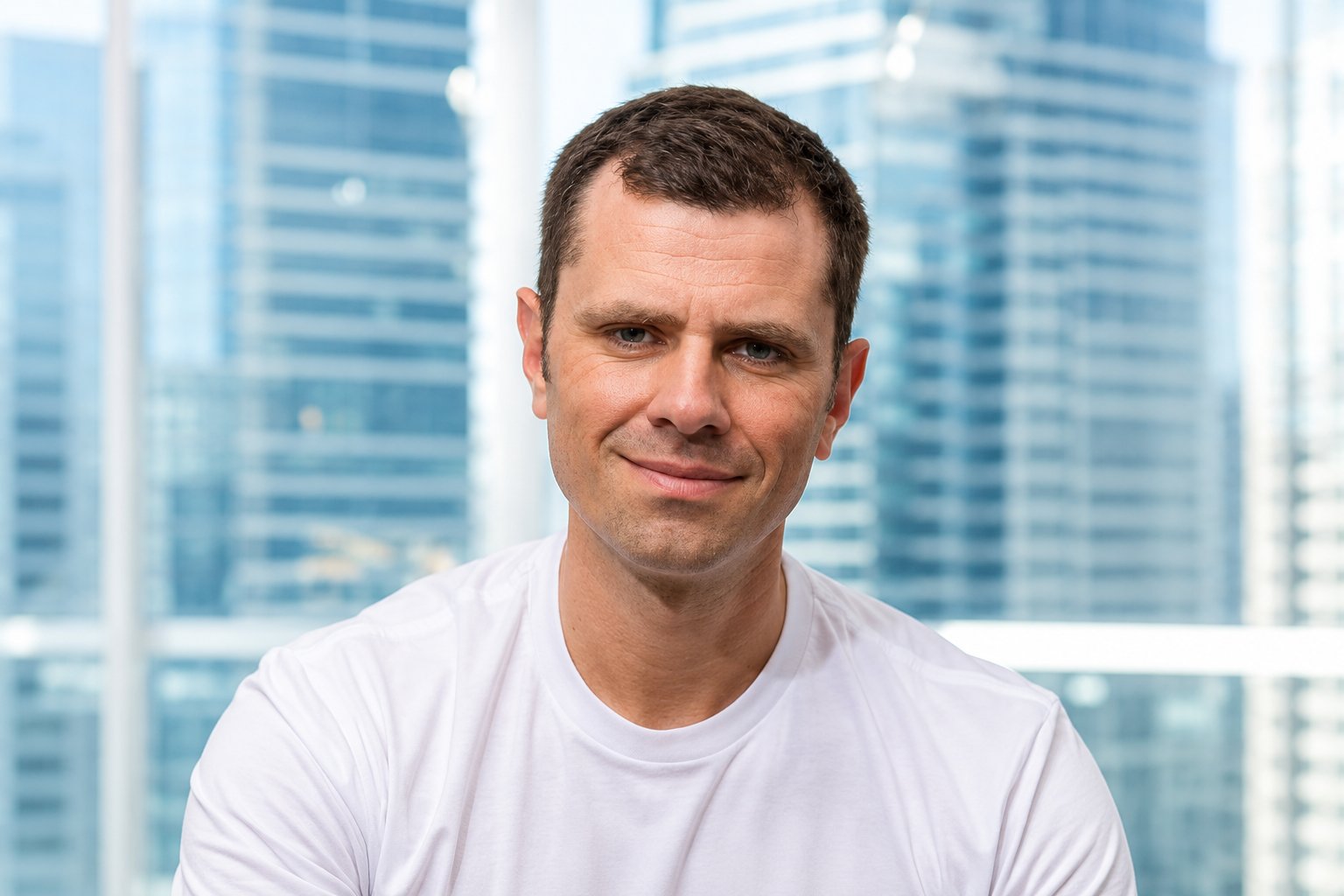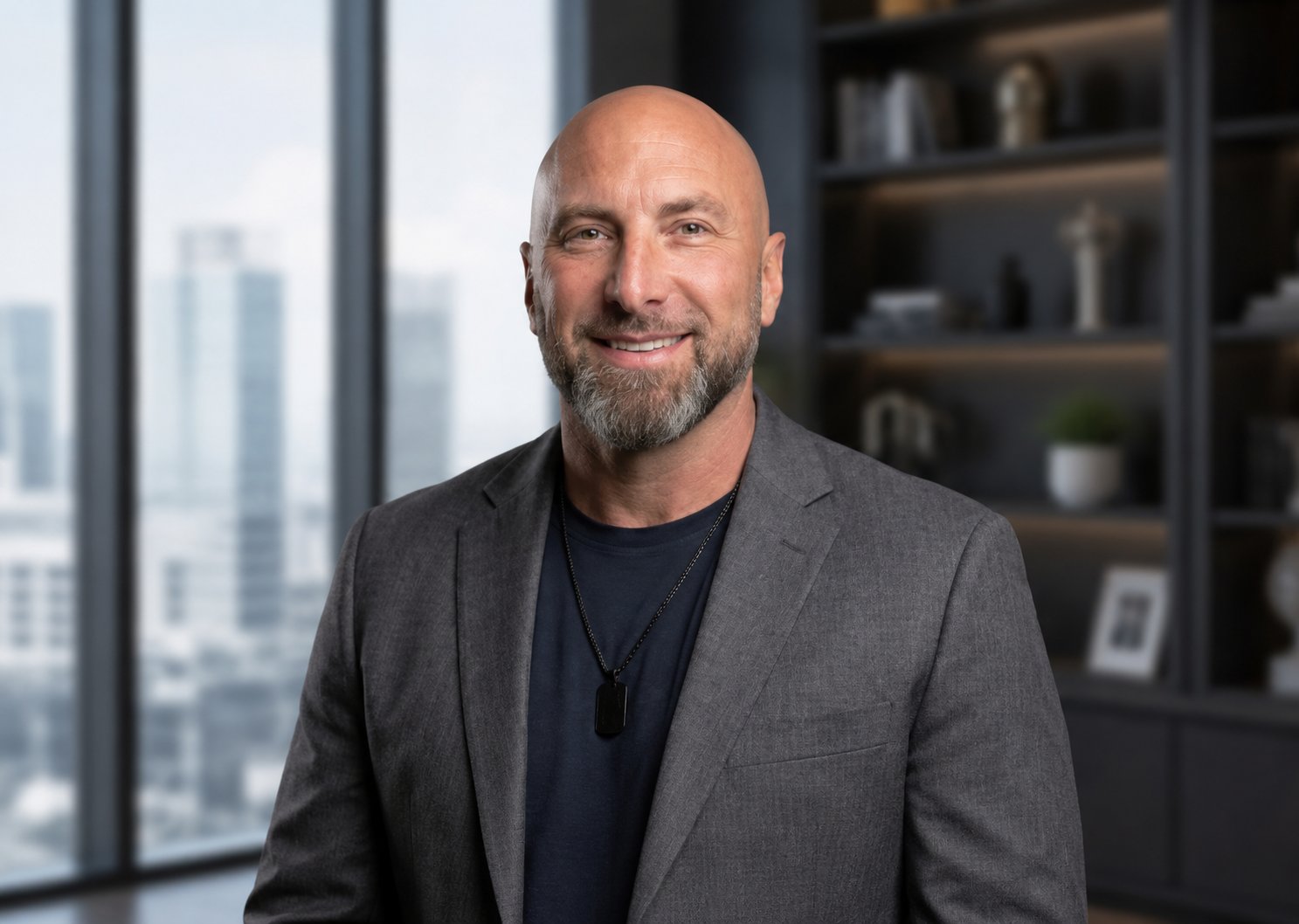
Most business success stories follow a familiar script. A founder chases the next big tech idea, raises money fast, talks about disruption, and tries to scale before the dust settles. Codie Sanchez built her name by pushing in the opposite direction.
Instead of selling people on startup hype, she built Contrarian Thinking around a simpler and, in many ways, more grounded idea. Real wealth can come from buying ordinary businesses that already make money. Not glamorous companies. Not headline-grabbing apps. The kind of businesses people drive past every day without thinking twice.
That shift in perspective is what made Contrarian Thinking stand out. Codie Sanchez did not just build a media brand with strong opinions. She turned that message into a larger business ecosystem built around Main Street investing, small business acquisitions, cash flow, financial education, and the ownership mindset. Over time, Contrarian Thinking grew into something much bigger than a newsletter or personal brand. It became a platform for business buyers, operators, and aspiring owners who wanted a more practical path to wealth.
Codie Sanchez did not build her career the usual way
Part of what makes Codie Sanchez interesting is that her story does not start in the world she is now known for. Before she became closely associated with business ownership, boring businesses, and Main Street deals, she spent years working in finance and investing. That background gave her a close look at how money moves, how assets are valued, and how wealth is actually built.
But it also seems to have shown her what many people miss. A lot of traditional advice about success pushes people toward long corporate ladders, expensive credentials, or risky startup bets. Codie’s experience appears to have pushed her toward a different conclusion. Ownership matters more than image. Cash flow matters more than hype. And businesses that quietly solve everyday problems can be far more valuable than trendy ideas that get more attention than results.
That is part of the reason Contrarian Thinking landed so well. It did not come from someone guessing from the sidelines. It came from someone who had seen Wall Street up close and decided Main Street offered a better long-term story for many people.
Why Main Street became the center of her business philosophy
The core message behind Contrarian Thinking is easy to understand, which is part of why it spread so fast. Codie Sanchez made a strong case that ordinary businesses can create extraordinary wealth.
That sounds almost too simple until you look closer. Small local businesses already have customers, revenue, systems, and demand. A laundromat, car wash, plumbing company, cleaning business, storage operation, or niche service business may never look flashy on social media, but these kinds of companies often have the one thing many founders claim to want and never reach early enough: dependable cash flow.
This is where her Main Street over Wall Street message became more than branding. It gave people a new lens for thinking about entrepreneurship. Instead of asking how to invent the next unicorn, she encouraged them to ask a more practical question. What if the smarter move is to buy a profitable business that already works?
That idea appealed to a wide range of people. Some were aspiring entrepreneurs who wanted to skip the slow grind of starting from zero. Others were investors looking for recurring revenue and tangible assets. Some were high achievers with good incomes but little real ownership. Contrarian Thinking gave all of them a framework that felt actionable.
How Contrarian Thinking started as an idea and grew into a platform
A lot of founder brands stay stuck at the content stage. They build an audience, post advice, grow a following, and stop there. Contrarian Thinking moved past that stage because the content was tied to a bigger system.
Codie Sanchez took a clear point of view and turned it into a repeatable brand. She talked about buying businesses instead of building everything from scratch. She challenged passive thinking around wealth creation. She made business acquisitions feel relevant to regular people, not just private equity professionals. And she packaged those ideas in a way that felt direct, sharp, and easy to share.
That matters more than it may seem. In crowded business media, clarity wins. Codie was not trying to be everything to everyone. She was building a worldview. If you believe that local businesses, cash-flow businesses, and overlooked service companies are underrated wealth vehicles, then Contrarian Thinking starts to feel less like content and more like a roadmap.
That is how the brand expanded. What began as a contrarian message turned into newsletters, videos, podcasts, training offers, live events, acquisition education, and a larger ownership community. The audience did not just consume content. Many wanted to act on it.
The branding move that made Contrarian Thinking feel different
Plenty of business brands talk about freedom, money, and entrepreneurship. Very few package those ideas in a way that feels this specific.
Contrarian Thinking worked because it gave people a crisp identity. It was not about generic motivation. It was about seeing what others overlook. It was about the operator mindset over the spectator mindset. It was about using due diligence, deal sourcing, negotiation, and smart financing to buy real-world businesses that keep producing value.
That framing helped the company stand out in a crowded category. Codie Sanchez was not just teaching wealth building in the abstract. She was giving people language for a different kind of ambition. Own the business. Control the cash flow. Build equity in something tangible. Think like a buyer, not just an employee or content consumer.
Even the phrase boring businesses did a lot of work for the brand. It made the idea memorable. It removed some of the intimidation around small business acquisitions. And it quietly challenged the assumption that success has to look exciting to be meaningful.
How Codie Sanchez made business buying feel accessible
One of the smartest things Codie Sanchez did with Contrarian Thinking was make acquisitions feel understandable.
For many people, buying a business sounds like something reserved for private equity firms, family offices, or seasoned investors. Contrarian Thinking helped lower that barrier. The brand talked openly about seller financing, deal structure, due diligence, valuation, off-market deals, and acquisition pipelines in language that felt more practical than academic.
That does not mean it made buying a business sound effortless. It means it made the process feel learnable.
This was a major advantage. A lot of people are interested in business ownership but never move because the path feels too vague or too complex. Codie Sanchez and Contrarian Thinking gave that audience structure. They turned a fuzzy ambition into a more visible path. Learn how to source a business. Understand the numbers. Study financing options. Improve operations. Grow margins. Think long term.
That is a powerful shift. When people stop seeing acquisitions as a closed world and start seeing them as a skill set, the market opens up. Contrarian Thinking tapped into that opening at the right time.
Contrarian Thinking became bigger than a content brand
This is where the real business story gets interesting. Codie Sanchez did not stop at building attention. She built an ecosystem around that attention.
Contrarian Thinking now sits at the intersection of media, education, and investment. That combination matters because each part strengthens the others. Media builds trust and reach. Education helps people go deeper. Investment and business ownership give the brand real-world credibility.
That structure is one of the biggest reasons Contrarian Thinking grew into something more durable than an influencer brand. It created multiple ways for people to enter the world Codie was building. Someone might first find her through a video clip or newsletter article. Then they start learning about Main Street businesses, cash-flowing businesses, and business buying. From there, they may join a program, attend an event, or become part of a community centered on ownership.
It is a strong flywheel. Content attracts attention. Clear ideas build trust. Education deepens commitment. Community creates momentum. Real business activity reinforces the brand promise.
That is how you move from thought leadership to a business empire. Not by posting more often, but by giving the audience a next step that actually matches the message.
The role of Main Street Millionaire in expanding her reach
Books still matter when they sharpen a brand’s central idea, and that is exactly what Main Street Millionaire did for Codie Sanchez.
The title itself reinforces the heart of the Contrarian Thinking thesis. Wealth does not only come from venture-backed startups, elite finance circles, or lucky bets. It can come from acquiring and operating everyday businesses that produce reliable income.
A book helps in a different way than a social platform does. Social content can create attention quickly, but a book gives the brand more permanence. It turns a message into a framework people can return to. It also helps bring in readers who may not have discovered Contrarian Thinking through a podcast clip, newsletter, or video.
For Codie Sanchez, Main Street Millionaire likely strengthened both credibility and reach. It gave her central idea a more lasting home while reinforcing her position as one of the most recognizable voices in the conversation around small business ownership and Main Street investing.
What made the Contrarian Thinking model work so well
The success of Contrarian Thinking did not come from one viral idea alone. It worked because several pieces fit together in a way that felt consistent.
First, the brand had a strong contrast built in. Startup hype was everywhere. Passive personal finance advice was everywhere. Contrarian Thinking offered a different path, and that contrast made it easier to remember.
Second, the message was concrete. Buy cash-flow businesses. Learn how business acquisitions work. Use practical tools like seller financing, valuation discipline, and operational improvement. Build wealth through ownership instead of waiting for permission.
Third, the brand had a clear audience. Business buyers, operators, aspiring entrepreneurs, and people looking for financial freedom through real assets could all see themselves in the message.
Fourth, the model matched the identity. This was not a brand telling people to own businesses while only selling inspiration. It built around acquisition training, live education, business ownership frameworks, community support, and a wider Main Street ecosystem.
That alignment matters. People trust brands more when the product, message, and business model all point in the same direction.
Why Codie Sanchez connected with a wider shift in entrepreneurship
Timing also played a role in the rise of Contrarian Thinking. More people have started questioning the default career path, the endless chase for startup novelty, and the idea that wealth only comes from high-risk, high-status sectors.
At the same time, there has been growing interest in ownership, recurring revenue, local business opportunities, and buy-and-build strategies. People want more control over their time and income. They want assets, not just salaries. They want businesses with real customers and clear economics.
Codie Sanchez stepped into that shift with a message that felt blunt, practical, and surprisingly optimistic. She made entrepreneurship feel less like a performance and more like an operating decision. That is a big reason the Contrarian Thinking brand has stayed relevant. It speaks to the part of people that wants substance over noise.
The bigger lesson behind Codie Sanchez’s success
The bigger lesson here is not only that Codie Sanchez built a successful company. It is that she built a successful point of view and then gave it structure.
She saw that Main Street businesses, small business acquisitions, and boring businesses were being underestimated in the broader entrepreneurship conversation. Then she turned that gap into a business model. Contrarian Thinking became the vehicle for that message, but the real engine was the consistency behind it.
Everything connected back to the same idea. Ownership beats optics. Cash flow matters. Ordinary businesses can become valuable assets. People do not need to wait for a perfect startup idea to start building wealth.
That is what made Contrarian Thinking feel bigger than a media brand. It was not just teaching people how to think differently. It was showing them what to do with that mindset once they had it.